How a Virtual Family Office Transforms Investor Strategy
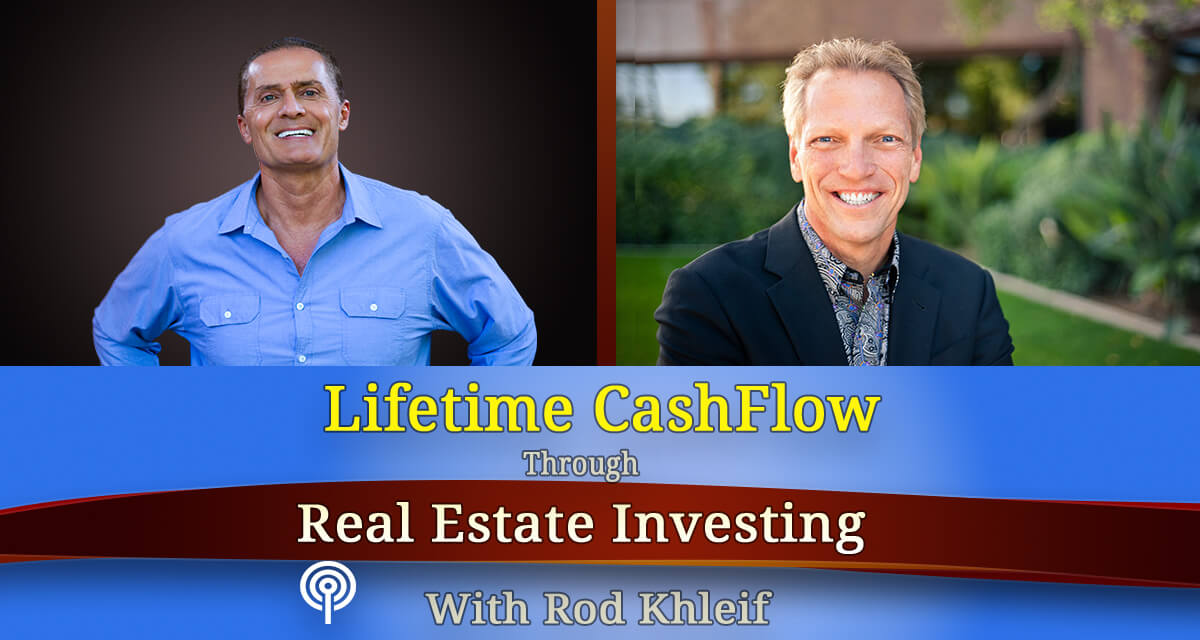
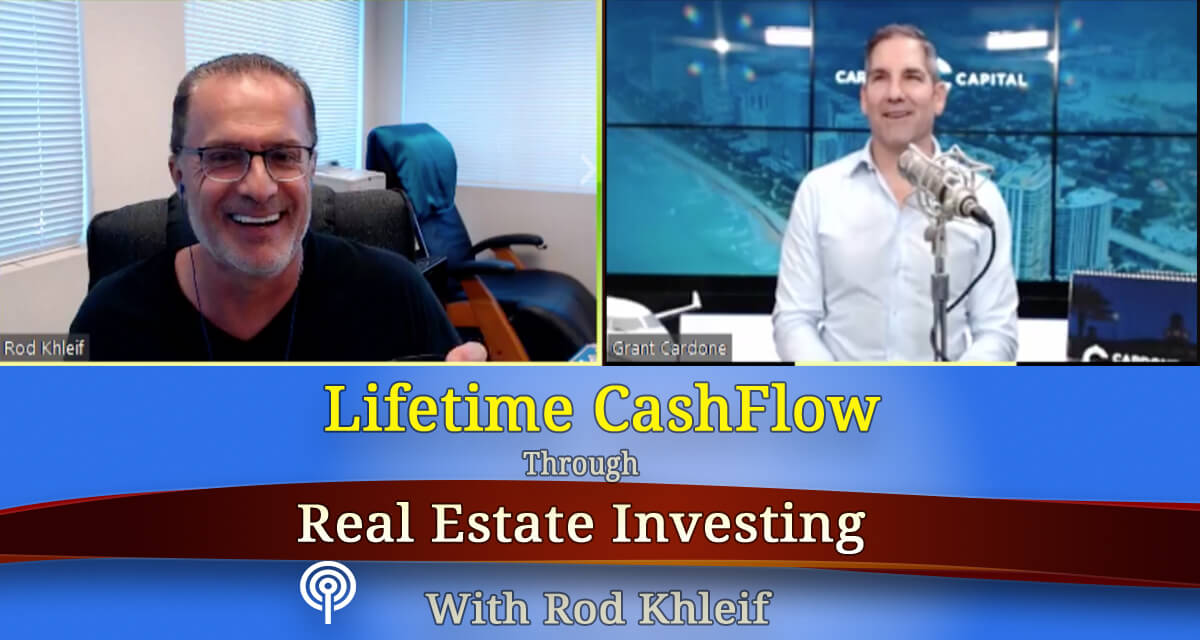
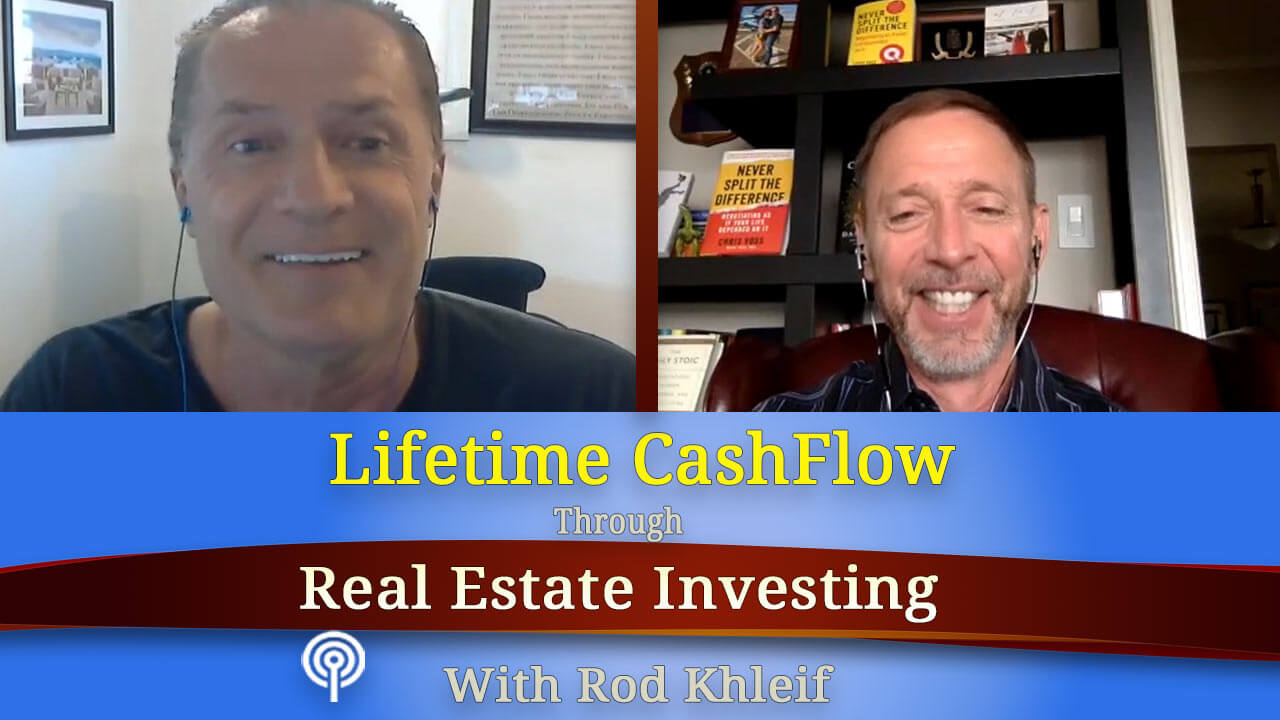
In this episode of Lifetime Cash Flow, Rod Khleif sits down with Dave Wolcott, CEO of Pantheon Investments, to explore how high-net-worth individuals and real estate investors can structure their finances like the ultra-wealthy. Dave introduces the concept of a virtual family office for real estate investors, a modern approach that delivers the benefits of a traditional family office without the overhead. This model provides strategic oversight, tax planning, asset protection, and investment alignment, all designed to accelerate wealth while reducing risk.
Dave shares his personal journey from corporate America and military service to becoming a successful investor across multiple asset classes. Frustrated by conventional financial advice that focused on average outcomes, he began studying how the top 1% actually build wealth. That led him to private investments, real estate, and ultimately the creation of Pantheon Investments, where he now helps others apply the same principles through a virtual family office structure.
Strategic Tax Planning and Wealth Preservation
A core component of the virtual family office model is proactive tax strategy. Dave explains that most investors focus on increasing returns but overlook the massive impact of reducing taxes. By implementing forward-looking tax planning, investors can often improve their net returns by 10 to 20 percent, compounding wealth faster over time. This includes strategies around depreciation, entity structuring, and leveraging alternative assets like energy investments for tax efficiency.
Beyond taxes, Dave emphasizes asset protection and estate planning as essential pillars of a sustainable wealth strategy. As investors grow their portfolios, they also increase their risk exposure. Proper legal structures, insurance strategies, and estate plans not only safeguard assets but also ensure wealth is transferred efficiently and aligned with family values.
Infinite Banking and Capital Velocity
One of the most compelling concepts Dave discusses is infinite banking through cash-value whole life insurance. He explains how investors can use these policies to store capital in a tax-advantaged environment, earn steady returns, and borrow against the cash value to fund future investments. This allows investors to use the same dollar multiple times, increasing the velocity of their money while maintaining liquidity and control.
This strategy becomes especially powerful when combined with real estate investing. Cash flow from properties can be funneled into these policies, creating a growing pool of capital that can be redeployed into new deals without relying solely on banks or external lenders.
Diversification the Way the Ultra-Wealthy Do It
Dave challenges the traditional definition of diversification, explaining that ultra-wealthy investors typically concentrate on a few core sectors and diversify within them rather than spreading across unrelated asset classes. For his firm, this includes real estate, private credit, and energy investments. Within real estate, they diversify by market, strategy, and return profile, such as value-add multifamily, build-to-rent, and unique residential products.
This focused diversification allows investors to build deep expertise, access off-market opportunities, and better manage risk. Dave also highlights alternative income strategies like private credit and merchant cash advances, which provide non-correlated cash flow and shorter investment durations.
About Dave Wolcott
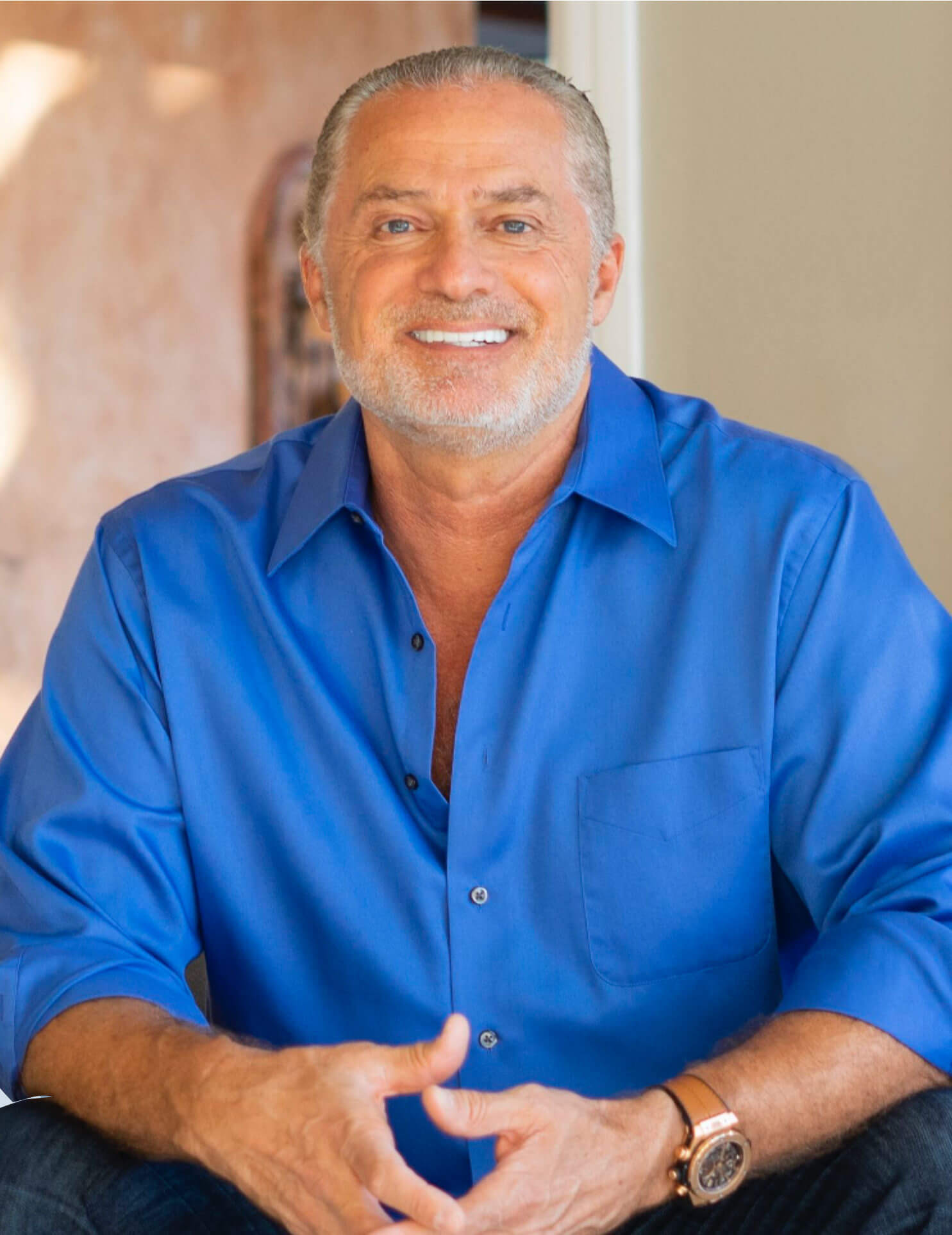
Dave Wolcott is the CEO of Pantheon Investments and host of the podcast “Wealth Strategy Secrets of the Ultra-Wealthy.” He has raised nearly $100 million across multiple real estate and alternative investment classes and is the author of The Holistic Wealth Strategy. With a background in the Marine Corps, corporate leadership, and entrepreneurship, Dave now helps investors design comprehensive wealth strategies through education, private investments, and virtual family office services.
If you want to hear the full conversation and detailed insights, watch the podcast video or read the complete transcript below.
Virtual Family Office FAQ
What is a virtual family office for real estate investors?
A virtual family office for real estate investors is a comprehensive wealth management structure that provides tax planning, asset protection, investment strategy, and estate planning without the cost of a traditional family office. It centralizes financial decisions and aligns all parts of an investor’s wealth strategy.
How does a virtual family office help real estate investors grow wealth?
A virtual family office helps investors grow wealth by optimizing tax efficiency, improving capital deployment, and aligning investments with long-term goals. This approach increases net returns and accelerates compounding over time.
Why is a virtual family office better than traditional financial advising?
Traditional financial advising often focuses on product sales or isolated strategies. A virtual family office integrates tax, legal, investment, and risk management into a single cohesive plan, creating better outcomes for high-net-worth real estate investors.
Who should use a virtual family office for real estate investing?
This model is ideal for high-income professionals, business owners, and real estate investors who want sophisticated wealth strategies without building a full in-house team. It works especially well for investors with growing portfolios and complex financial needs.
How does a virtual family office improve tax efficiency for real estate investors?
It uses proactive tax strategies such as depreciation optimization, entity structuring, and alternative investment planning. These techniques reduce taxable income and improve after-tax cash flow across an investor’s portfolio.
What role does asset protection play in a virtual family office?
Asset protection is a core function of a virtual family office. It involves structuring ownership, insurance, and legal entities to shield assets from lawsuits, creditors, and unnecessary risk exposure.
Can a virtual family office support passive real estate investors?
Yes, passive investors benefit by gaining institutional-level oversight, strategic tax planning, and portfolio alignment without managing daily operations. This structure enhances returns while preserving time and flexibility.
How does a virtual family office help with estate planning?
It coordinates estate planning with investment strategy and tax planning to ensure assets are transferred efficiently and aligned with family values. This reduces estate taxes and preserves generational wealth.
What types of investments are typically included in a virtual family office strategy?
Investments often include multifamily real estate, private credit, energy investments, and tax-advantaged strategies. The focus is on cash flow, risk management, and long-term wealth preservation.
How does a virtual family office increase long-term financial stability?
By integrating all financial decisions under one strategic framework, a virtual family office reduces fragmentation, improves risk control, and creates durable wealth systems that perform across market cycles.
Disclaimer: This summary was written with the help of AI and reviewed by Rod’s Team.
00:00:58:10 – 00:01:16:28
Rod Khleif
Welcome back to life time cash flow through real estate investing. I’m Rod Khleif and I’m thrilled you’re here. I’ve got a super cool guy I’m interviewing today. I’ve been on his podcast. His name is Dave Walcott. Dave’s pretty much every asset class in real estate. He’s raised almost $100 million for real estate. He’s the CEO of Pantheon Investments.
00:01:16:28 – 00:01:25:21
Rod Khleif
It’s Pantheon invest.com. And I was on his podcast, which is, well, strategies secrets of the ultra wealthy that have your brother. Good to see you. Yeah.
00:01:25:21 – 00:01:29:03
Dave Wolcott
Look grateful to be here. Always great to connect. And,
00:01:29:06 – 00:01:32:25
Rod Khleif
You know, and you’re going to be moving in right down the street on the same street that I’m on, no.
00:01:32:25 – 00:01:35:07
Dave Wolcott
Less 100%. We’re officially neighbors.
00:01:35:07 – 00:01:53:09
Rod Khleif
Yeah. That’s crazy. Crazy. Well, I appreciate you coming out, brother. And I’m a little jealous because of some of the things I’ve heard before we started recording here of the way you’ve approached this. Because back about the the right way to approach this. But, listen, I’m not going to steal your thunder. I want I want you to tell your story.
00:01:53:09 – 00:01:56:00
Rod Khleif
And then, and then let’s dig in on stuff.
00:01:56:02 – 00:02:15:25
Dave Wolcott
You better. Yeah. I think it’d be helpful to provide some context, really, about my story. And, you know, I was raised in a middle class family in Connecticut, and I was told that the recipe for success was go to school, get great grades, you’re going to get a good job, and life would just work out right. So kind of followed down that path.
00:02:15:28 – 00:02:39:13
Dave Wolcott
I had the opportunity to do the ROTC program in the Marine Corps, serve my country and really learn some things there, rod, that they don’t teach you anywhere else in life. Things such as leadership, teamwork, and integrity. After the Marine Corps, I transitioned into, corporate America, got into the tech industry. And at the same time, my wife and I started raising a family.
00:02:39:13 – 00:02:47:13
Dave Wolcott
We had an 18 month old running around and then on October 24th, 2000, we literally had triplets.
00:02:47:16 – 00:02:49:06
Rod Khleif
Oh holy cow. Yeah.
00:02:49:06 – 00:03:10:27
Dave Wolcott
Holy cow is right. And so, we quadrupled the size of our family overnight. And here I was just trying to figure out my career, but the first thing I did, rod was I wanted to see my financial planner and said, you know, it’s $1 million these days to raise a kid. Now that’s four plus. I’ve got retirement, and I wanted to live a big life.
00:03:10:29 – 00:03:36:14
Dave Wolcott
Right. And the financial planner just told me that, you know, look, Max, out your 401 K, defer your taxes right. For the kids. There’s things like 529 plans. And it was right then, rod, that I just realized, you know, I wasn’t going to get wealth wealthy, right. As a retail investor in the stock market. And this was average advice for average people.
00:03:36:18 – 00:04:18:01
Dave Wolcott
Right. So this put me on this obsessive quest to really figure out how are the top 1% really building their wealth. And I tried to decode that. So I started investing in private deals and keep in mind this is back in 2000. You know, Rich dad, Poor Dad just came out. There weren’t great podcasts like this or resources, but I had the opportunity to invest in, all kinds of asset classes retail, raw land, single family, office, multifamily oil and gas had really great success over the next 20 years and all these asset classes, and built a tech business on the side, which I had a full exit.
00:04:18:04 – 00:04:41:06
Dave Wolcott
And then I created pantheon, really to help other people figure out what is the blueprint of the ultra wealthy. How can we, you know, achieve our goals in life? You know, much quicker using the real estate asset class, other asset classes. How do we need to be thinking about our wealth? And, you know, how can we just live the best life that we want to live?
00:04:41:08 – 00:04:43:19
Rod Khleif
Okay. When did you start pantheon.
00:04:43:21 – 00:04:45:08
Dave Wolcott
Started about five years ago.
00:04:45:08 – 00:04:55:28
Rod Khleif
Let’s talk about some of the things you do inside of it. I know you have a virtual family office. Explain. I mean, it versus a brick and mortar situation or. Yeah.
00:04:55:28 – 00:05:19:23
Dave Wolcott
So you know so it’s interesting rod. Right. Like I’m really focused just like you are. Right. I’m focused on our investor. Right. And as an entrepreneur I see it as solutions. Right. So where are people struggling with not meeting their goals, their financial goals whatever that is. Right. So we have a podcast, right? That creates education for people to learn.
00:05:19:26 – 00:05:40:26
Dave Wolcott
Right. Education is a huge part of that. As you go through that journey, then and you start to learn how the ultra wealthy are investing, what is the asset allocation model they have? Well, they’ve got a certain amount in real estate. They’ve got other asset classes. They might need help in terms of okay, you know, I’m too busy, right?
00:05:40:26 – 00:06:00:06
Dave Wolcott
I just sold my business. I made eight figures, and I’m too busy to chase down all these deals. Right? We don’t have enough time. So that’s where our virtual family office can come in and help give you guidance and really act like a CFO, you know, to kind of plug you in. Other things, for instance, right, such as strategic tax planning.
00:06:00:08 – 00:06:17:08
Dave Wolcott
You know, it took me firing five different CPA firms over the course of, you know, building businesses over the years that I got completely frustrated that all the had 95% of the advice out there is just, you know, it’s for average people, right?
00:06:17:16 – 00:06:19:13
Rod Khleif
It’s driving looking in the rearview mirror.
00:06:19:15 – 00:06:37:18
Dave Wolcott
Yeah. Yeah. Exactly. They’re, they’re they’re filing your taxes. Right. They’re not doing strategic tax planning. Right. And so that’s huge. So you want to be able to plug in to a network of these strategic advisors that can really help you accelerate your wealth as well as preserve your wealth.
00:06:37:19 – 00:06:58:13
Rod Khleif
And that’s part of your family office program. Correct. So you got you got tax planning there. You’re you’re identifying, opportunities, for you to invest in. I know, you know, you’ve co-invest in lots of deals with some big names that we talked about before we started recording and people I know quite well. And, I think you mentioned life insurance as well.
00:06:58:16 – 00:06:59:01
Rod Khleif
A whole life.
00:06:59:03 – 00:07:22:22
Dave Wolcott
Yeah. No. Again. So let’s just think about that from a solution perspective. Right. And I know there’s a ton of real estate, you know, investors in your audience. Right. So that’s how I actually discovered using cash value whole life insurance policy is we start getting income from our different properties. Right. And what do you do with that income, especially when you’re starting out?
00:07:22:25 – 00:07:53:00
Dave Wolcott
Might not be that much, right? Might be a couple hundred bucks from each property a couple thousand here or there, but you don’t have enough to to have the down payment for that next deal. Right? So what you want to do is actually add velocity to your money, right? So by putting it inside of a whole life cash value policy, what you can do is that money starts compounding tax free at just about a 6% rate.
00:07:53:02 – 00:08:15:04
Dave Wolcott
It also you can use it as collateral against loans. So you could actually purchase real estate using it as a collateral base. And you can borrow against the policy to go make your next purchase and basically use the same dollar twice. And there’s probably a dozen other things that it does. And this is one of the things that the wealthy do really well.
00:08:15:06 – 00:08:18:22
Rod Khleif
Help me understand something you said use the same dollar twice. I you lost me on that.
00:08:18:22 – 00:08:26:19
Dave Wolcott
Okay. So this is what’s really sophisticated about this, right? So let’s say I put 100 K into a policy this.
00:08:26:19 – 00:08:31:04
Rod Khleif
Year, and you’re not limited by how much you put in. Correct. You can you can pretty much stack it up if you want.
00:08:31:04 – 00:08:52:10
Dave Wolcott
Yeah. You can stack it up on the front end. Exactly like if you had an exit or liquidity of that. Right. Okay. But let’s just say you put you put in 100 K right upfront and then typically, you know, within 30 days you can actually borrow, you know, up to maybe 75, 85% of the value that you’ve actually put into it.
00:08:52:12 – 00:09:10:15
Dave Wolcott
Right? So that 100 K is going to continue to compound at just about a 6% rate, completely tax free, while I’ve then just borrowed 80 K out of it and now I’m using that for my next multifamily deal as part of the down payment.
00:09:10:22 – 00:09:11:08
Rod Khleif
How does that.
00:09:11:08 – 00:09:13:06
Dave Wolcott
Look? So you have a loan.
00:09:13:06 – 00:09:15:29
Rod Khleif
So what is there? I mean I assume there’s an interest rate.
00:09:15:29 – 00:09:28:09
Dave Wolcott
Yeah, there is an interest rate. But there’s always a spread. You have like a half point to a point spread typically. So that way you know you’re always able to basically, you know be ahead.
00:09:28:10 – 00:09:38:16
Rod Khleif
So so is the interest rate on the borrow similar to what you’re getting is the return on the initial 100,000. Just to excuse my ignorance on this, I’m just curious.
00:09:38:16 – 00:09:59:20
Dave Wolcott
Yeah. No the interest rate, like I said, is usually about a point or half point below what the interest rate is. And that’s and that’s much more or you know, what you’re making on it. So again say at 6% you’re maybe at 5%. So you have a little bit of a margin, right. Arbitrage that you have. But if you think about, you know, you take out that 80,000.
00:09:59:20 – 00:10:25:13
Dave Wolcott
It’s now on a real estate asset which, you know, you can multiply at multiples, but at the same time, you still have that existing principal of the 100 K plus. Don’t forget all the other benefits like people are raising families. You’ve got a death benefit attached to that. You have also, you know, estate planning, right, where it can go to your heirs completely tax free and avoid probate.
00:10:25:15 – 00:10:30:25
Dave Wolcott
It’s got asset protection. So if people creditors come after you, they can’t see it.
00:10:30:28 – 00:10:41:16
Rod Khleif
So that return that they get. I mean, sorry to belabor this topic as much as I am. It’s just my own curiosity that return. They get to say that 6% on their 100,000. How is that generated?
00:10:41:22 – 00:10:58:01
Dave Wolcott
Keep in mind that insurance companies have been a mutual insurance company, has been around since the civil War. Okay, so they’ve seen all kinds of ups and downs in the market. So therefore how they allocate capital is so conservative. Right?
00:10:58:01 – 00:11:00:27
Rod Khleif
So it’s from their investments. Exact. Yeah. Insurance companies loan.
00:11:00:27 – 00:11:04:11
Dave Wolcott
Bonds you know bonds very low risk investments.
00:11:04:11 – 00:11:11:13
Rod Khleif
So that’s how the Buffett term started out I think was he bought an insurance company and that provided the cash flow to get things rolling if. Yeah.
00:11:11:16 – 00:11:32:25
Dave Wolcott
Yeah. So you can use this very synergistically. Right. With real estate in terms of like I said, adding more velocity to your portfolio, adding dry powder, like where do you keep your dry powder. Right. We’re coming into this, you know, market, right where there’s going to be some really great buying opportunities. But you got to be able to be liquid to do that.
00:11:33:02 – 00:11:37:19
Dave Wolcott
And I don’t know about you, I don’t want to keep my money in banks anymore. Right? Right.
00:11:37:27 – 00:11:58:10
Rod Khleif
So not not with a third of the commercial debt held by small and regional banks and office occupancy at what, 60%? Yeah. Nationwide. I mean, we’re going to see some bank unrest. Yeah. I put my money in a bank that spreads it out over 80 banks and doesn’t put more in 250,000 on in each bank. So it’s covered by FDIC.
00:11:58:18 – 00:12:08:17
Rod Khleif
So I know you wrote a book, the holistic wealth Strategy. I’ve got a page tagged here that’s got some great points for me to ask you about in the book. Talk about it for a minute.
00:12:08:19 – 00:12:41:29
Dave Wolcott
Yeah. So again, rod, you know, this is really about kind of helping, you know, investors and whether you’re an active investor or a passive investor, it’s really, you know, the focus is to distill all these myths that we have about wealth. Right? And how can we really get to our goals, you know, much faster. Right? So dispelling some of the, you know, myths about traditional financial planning type things, you know, how do you incorporate, you know, real estate into your, you know, overall plan.
00:12:42:02 – 00:13:04:11
Dave Wolcott
And it really has just five simple phases to it. And it’s all underpinned rod which I know you’re a huge goals guy. Right. So it’s all underpinned by creating your own strategy, right? Because if you don’t have a target you’re going to miss every time. So getting crystal clear clarity on what is your vision.
00:13:04:13 – 00:13:19:05
Rod Khleif
Yeah. No it starts with that for sure. I mean, that’s the first thing we do with my bootcamps. I, just did that, the virtual bootcamp. I mean, how do you get anything if you don’t know what it is? And we’ve got, my, Orlando event is coming now. We should have over a thousand people there.
00:13:19:08 – 00:13:42:06
Rod Khleif
And that’s the first thing we’ll do is goal setting. I mean, you know, you got to create that that burning desire. I see in your book, you’ve got your Y at you’ve got to know the Y otherwise that it’s the Y that drives you. So, you know, I see some other things in here around growth mindset and, you know, I don’t want to steal your thunder, but let’s talk about some of these things, you know, beliefs, health habits.
00:13:42:08 – 00:13:44:16
Rod Khleif
Do you want to elaborate phase stuff a little bit?
00:13:44:16 – 00:14:04:13
Dave Wolcott
Sure. Phase one really starts with mindset. Because I can tell you, you’re never going to get out of the gate if you don’t have a growth mindset. If you have a fixed mindset and you’re talking to your financial planner and you say, hey, I want to go, you know, buy a next multifamily deal, what’s he going to tell you?
00:14:04:14 – 00:14:24:29
Dave Wolcott
That’s too risky. You shouldn’t do that, right? What is all your family and your friends going to say shouldn’t do that, right. And so we need to be in this position where we’re always asking why. You know, we’re asking a lot of questions. Were being very curious. And then we’re trying to figure out, you know, based upon our vision, right.
00:14:24:29 – 00:14:47:07
Dave Wolcott
How can we get there. So setting goals and habits to really support that. But it all starts with having the right mindset, because I’ve talked to so many people and I’m sure it look as successful as you are, right? I can guarantee you’ve had conversations with people at, you know, some events or whatever outside of real estate that say, you know, seems strange.
00:14:47:07 – 00:14:55:01
Dave Wolcott
You know, you’re not invested in the stock market because really, Wall Street wants us to think the only way to invest in this country is stocks, bonds.
00:14:55:01 – 00:15:16:21
Rod Khleif
And nobody’s stupid enough to come to me with that. If they know me at all. No, because I can obliterate that conversation. Yeah, but, you know, that sounded very egotistical. But the bottom line is, is, no, people don’t come to me and say, why aren’t you in the stock market? Because I’m I’m going to tell you what I think’s going to happen here sometime in the next, I don’t know, a year or two, maybe three years.
00:15:16:27 – 00:15:34:20
Rod Khleif
We have a reckoning. The first thing to crash is the stock market, you know, and we’ll see. We’ll see bank failures if that happens. And and so yeah, no, no I don’t I, I anybody I talk to I tell them get your money out of the stock market right now. Get into fixed assets because inflation is not going away.
00:15:34:25 – 00:15:54:26
Rod Khleif
I mean, I don’t know if you knew this. I told you before we started recording. I’ve heard that now our national debt is going up $1 trillion every hundred days in the last four years, they printed 80% of our money supply. So up to 2020, 20% of the money was in circulation. And now they’ve increased it by 80%, you know.
00:15:54:26 – 00:16:10:08
Rod Khleif
Hello. And we wonder why we have inflation and and I don’t think the fed can do a thing about it. So I you know, I think there’s going to be a reckoning at some point. But yeah not definitely not in the stock market. So the next piece of this is learning and team building. You want to elaborate in your book rather.
00:16:10:08 – 00:16:26:05
Dave Wolcott
Yeah, absolutely. So you know, in my journey, like I said, you know, back in 2000, like, you know, I took the purple pill right from Kiyosaki and you know, the cash flow quadrant was was brilliant, but it didn’t really give you a roadmap on like where to go.
00:16:26:05 – 00:16:27:21
Rod Khleif
What do I do with this great strategy?
00:16:27:21 – 00:16:52:19
Dave Wolcott
You know, this this is fantastic. But, you know, I mean, I’m constantly pouring through books and meeting people, right? And trying to grow and trying to learn all of the time, trying to find, you know, those resources. So you really have to look at yourself as the number one asset and be investing in yourself. And I have a little equation to kind of make this real for the audience.
00:16:52:19 – 00:17:05:04
Dave Wolcott
Rod, which is your net worth is equal to your financial IQ plus your mindset, IQ plus your physical capital plus your relationship capital.
00:17:05:07 – 00:17:23:04
Rod Khleif
I love it. Yeah see here. Health IQ. Yeah. No I got it. I mean I couldn’t agree more. And see the problem is they don’t teach you this stuff in school. No, they’re even in college. You know, and so you know, don’t get me started on that. But, you know, people just don’t know. They don’t know how to handle their finances.
00:17:23:04 – 00:17:47:15
Rod Khleif
And they. Yeah, they get they get sucked into the matrix like my dad did, you know, go work for a company, worked for Continental Airlines for 36 years. Said, yeah, I’m going to get a great pension. Was was dogging me when I was doing real estate. I love him, don’t get me wrong, and I miss him terribly, but but you know, my my mom got $597 a month from his pension and he worked for Continental Airlines for 36 years and got laid off.
00:17:47:17 – 00:18:04:05
Rod Khleif
So, you know, thought he had job security. And I think a lot of people walk with those blinders on. They don’t recognize that you have to create your own security. You have to create you have to build your financial IQ. You have to build, you know, that mindset like you said, IQ. And then of course, it all ties into health.
00:18:04:05 – 00:18:28:26
Rod Khleif
I mean, if you don’t have the energy to do this, I mean, you know, I I’ve got students that have retired from extremely high paying jobs with, you know, with kids with, with, with consuming jobs. And they do this stuff on the side, but it takes, you know, if, if you’re, you know, if you don’t have the energy to do it, that takes incredible energy to grind for a few years, like most people want to live the rest of your life like most people can’t.
00:18:28:28 – 00:18:30:08
Rod Khleif
You do infinite banking.
00:18:30:14 – 00:18:32:03
Dave Wolcott
Yeah, that’s the whole life insurance.
00:18:32:06 – 00:18:45:17
Rod Khleif
That’s the whole life insurance. Okay, okay. So I think we touched on the next piece, but let’s just see if we missed anything. It talks about tax strategy, infinite banking and then estate planning. Is there anything we didn’t cover in our previous conversation as it relates to that.
00:18:45:19 – 00:19:07:05
Dave Wolcott
Yeah. No I think that’s a good foundation. And then we really move. So you know we started with mindset just as a refresher. Right. Then we talked about education right. And all these different areas self-education. Yeah. Self ed self-education. Exactly. And then we move into phase three which is you know, we’re not only trying to grow our wealth, but we want to protect our wealth as well.
00:19:07:12 – 00:19:27:08
Dave Wolcott
So we need to create infrastructure around that. I like to call it infrastructure because there’s some plumbing. There’s some stuff that’s not all that fun, like asset protection. But I guarantee you, you know, no matter what your net worth is, you know, if you’re raising a family, you know, you you’ve got to have some asset protection in place.
00:19:27:11 – 00:19:47:17
Dave Wolcott
And not all of these things are the same, right? If you’re a real estate investor, you’re an LP investor. You know, you’re going after some big assets. You know, you better make sure that you are covered right. You’ve got an increased risk profile. You’ve got higher net worth, things like that. So asset protection is key. Estate planning is key.
00:19:47:19 – 00:20:09:02
Dave Wolcott
I know all of your audience are family people, right? We’re thinking about future generations. And really, you know, just like you, we want to make the world a better place, right? So how do you do that with proper estate planning? Because it’s not just about passing on money, but it’s passing on values. You know, setting up a family constitution and things that really matter.
00:20:09:02 – 00:20:19:03
Dave Wolcott
You know, within families. And then, of course, the biggest one, rod, right, is having a proactive tax strategy that we talked about a little bit earlier. And if you think.
00:20:19:03 – 00:20:21:00
Rod Khleif
Forward thinking forward thinking tax.
00:20:21:05 – 00:20:43:28
Dave Wolcott
Yes, think about it this way. Right. Everyone is always thinking about yield. So I can get a 15% IRR on that deal. My money’s working you know right there okay. Maybe the next one at 16%. And we’re always trying to increase our yield. But what if I told you you could reduce your costs by 10 to 20% by reducing your taxes.
00:20:44:00 – 00:21:11:20
Dave Wolcott
Right. And then that’s perpetual. So now you add that 10% on top of your 15% you’re making. So now you’re at 25, 30%. And then that just keeps compounding. Every year it becomes really significant. So as I said I’ve fired, you know, many different, you know, CPA firms over the years. We’re all in real estate. But you still have to understand how to use that.
00:21:11:20 – 00:21:20:15
Dave Wolcott
You have to be educated. You have to have the right partner, to be able to do that. But I think that it’s a significant opportunity for most people out there.
00:21:20:15 – 00:21:41:24
Rod Khleif
Oh no question. I mean, there’s a reason, you know, 90% of the world’s millionaires either made their money in real estate or invest in it after they make it, because the big reason is the tax benefits. Yeah, we talked about asset protection. I won’t elaborate on that for one second. You know, when you’ve got a decent net worth and you’re a limited partner LP and deals and things like that.
00:21:41:24 – 00:21:59:19
Rod Khleif
I mean, I see LP’s invest in deals in their personal name rather than like a holding company, LLC and things like that. Yeah, that’s the kind of stuff we’re talking about here. You’re not they’re not protected if it’s in their own name personally. And, you know, I remember I mean, I took it to a whole nother level back in the day and, and offshore trust and all sorts of crazy things.
00:21:59:21 – 00:22:17:25
Rod Khleif
Land trusts, regular trusts. Pre this is pre LLCs. And it was limited partnerships back then. But you know, you’re walking around with a bull’s eye on your forehead and you’ve got to think about this stuff. Yeah. You know, in advance. So the next thing you’ve got here is asset repositioning. Do you want to speak to that a little bit?
00:22:17:27 – 00:22:45:07
Dave Wolcott
Yeah. This is where it starts to get fun Ron. So most of the time I talked to, you know, new investors and you know and let’s face it, over 90% of America, they have their money tied up in two places. It’s in government sponsored qualified plans or it’s in trapped equity in their own primary residence. Because we were under this, you know, false notion that paying off your home mortgage is a really good thing to do.
00:22:45:09 – 00:23:11:01
Dave Wolcott
But as savvy investors, we all know that the rate of return on equity in your primary residence is zero, right? So there’s typically some opportunity there. And, you know, just to give an example, right. Let’s say, you know, you pull out take a home equity line of credit even at today’s rates say 8% or something. Pull out that capital.
00:23:11:01 – 00:23:37:10
Dave Wolcott
You’re going to now increase your amount of, you know, income, taxable, you know, you deductions that you have in the house. Right. So that goes down, you actually reduce your exposure liability in the home as well, because now the bank owns more of the house than you do. So you’re protected against creditors. And now I can take that 8% and then arbitrage it and say, for instance, we have a credit fund, right.
00:23:37:10 – 00:24:00:16
Dave Wolcott
That’s investing in merchant cash advances. You could make a 15 to 20% return and basically over double your money just by being smart about it. Right. So that’s a big opportunity for people is to take it, look at their existing portfolio and look at assets that are lower yielding and move them to a higher yield and lower risk.
00:24:00:19 – 00:24:04:03
Rod Khleif
That fund you just described. Did you elaborate on that a little bit more? What is it?
00:24:04:08 – 00:24:35:03
Dave Wolcott
Yeah. So merchant cash advances. This is a really interesting, asset class. It’s got 20% combined annual growth the past decade. New asset class. And what’s happening is, is with the banks tightening regulations and everything, right? They’re not able to lend to small businesses. So basically these other providers. So we’re on a platform that can essentially do factoring and provide lending to let’s say there’s a restaurant here in town right in Sarasota.
00:24:35:06 – 00:24:59:29
Dave Wolcott
They’ve got three different locations and now they want to open one in Naples. Well, you go to a bank, they might not even get approval, funding, anything. We could underwrite this inside of a week. They’ve got a $400,000 loan, put up a new flag down in Naples. Now they’re producing revenue, and they pay back principal and interest payments on a daily and weekly basis.
00:25:00:02 – 00:25:26:19
Dave Wolcott
So the money gets the velocity of money here is so fast it starts getting returned because the average loan is only seven months. And so you can do a nice double digit return. You know, with cash flow it’s non correlated to the markets. And it’s also very diversified because we’re investing in different industries and also only taking a small position in each one of the loans okay.
00:25:26:19 – 00:25:32:08
Rod Khleif
That last piece made me feel more comfortable. You talk about a restaurant’s huge failure rate in a restaurant. So I that made me a little nervous.
00:25:32:08 – 00:25:33:07
Dave Wolcott
Yeah, 100%.
00:25:33:07 – 00:25:34:06
Rod Khleif
Bad information out.
00:25:34:06 – 00:25:44:16
Dave Wolcott
There. This so so the default rate on the fund we’re working on. It’s been around for over six years. It’s less than 6% okay. And that includes Covid okay.
00:25:44:22 – 00:25:47:02
Rod Khleif
Right okay. All right. That’s that’s that’s that’s not bad at all.
00:25:47:07 – 00:25:54:27
Dave Wolcott
And we can collateralized the other thing is we collateralize, equipment, most of the deals are collateralized or personal guarantees.
00:25:54:27 – 00:26:15:04
Rod Khleif
Well, I had a restaurant and I had equipment and yeah, I don’t want to. I don’t want to be little what you’re saying here. But, you know, when you when you get this equipment, it’s not worth much afterwards. But but yeah, but but so, and so you, you, you also started to talked about targeting IRAs, which is kind of a no brainer.
00:26:15:04 – 00:26:39:22
Rod Khleif
If you’ve got an IRA, you can invest with that. And then some of the things that you’re investing in. I know your multifamily, you mentioned you’re you’re, getting into oil and gas. And, are you any and besides this merchant cash advance or really merchant lending, really? Any other asset classes or any other things?
00:26:39:26 – 00:27:12:05
Dave Wolcott
So that’s a great question. Right. And I’m really glad that you asked that. Right. Because I think, you know, when you follow family offices, right, and center millionaires and you really study portfolio allocation thesis and really understand this, there is what we call this concept, I think of diversification is used incorrectly in the stock market. Right. Because it really becomes diversification because you’re investing in so many different assets across so many different things.
00:27:12:05 – 00:27:36:21
Dave Wolcott
Right. But what you see the ultra wealthy do really successfully is they concentrate on typically, you know, 1 to 3 different sectors and then they diversify inside those. So for instance, for multifamily for us, you know, we’ll look at multifamily, but we’re going to diversify between markets, return profiles like we just did a 380 unit condo building in South Florida.
00:27:36:26 – 00:28:00:20
Dave Wolcott
Build to rent, totally unique product right. Versus a value add right in Texas, things like that. So we focus on real estate, private credit and debt, and we focus on the energy. And one of the reasons why we like energy as well. We have this oil and gas fund, up to 92%. Year one investment offsets active income.
00:28:00:20 – 00:28:00:27
Dave Wolcott
Yeah.
00:28:01:04 – 00:28:02:14
Rod Khleif
So the high end high.
00:28:02:14 – 00:28:22:17
Dave Wolcott
Income earners it’s beautiful. Pays out the passive income. Really well. Right. And and again, back to your point of printing $1 trillion right in debt that the government keeps spending. This is a great hedge against inflation. Right. And to get some exposure to a commodity where demand is always.
00:28:22:22 – 00:28:24:18
Rod Khleif
Of a hedge against inflation.
00:28:24:21 – 00:28:29:16
Dave Wolcott
Because would you rather have exposure to a commodity. Right. Because the.
00:28:29:16 – 00:28:31:07
Rod Khleif
Company shipping a commodity, you’re.
00:28:31:07 – 00:28:33:17
Dave Wolcott
Actually it’s a working interest in. And yeah.
00:28:33:17 – 00:28:52:29
Rod Khleif
Oil and natural oil. Yeah. Yeah I, I do you know, I have a friend that that did something on gas and just got his butt head and it’s always my friend is an associate, but he had his butt handed to him. But I, I don’t know the details of it at all, but, you know, I mean, like, anything, everything has risk.
00:28:53:01 – 00:29:07:11
Rod Khleif
You know, we’ve got a lot of multifamily operators in trouble right now. I told you before we started recording, I’m taking over 23 assets, and some of those are in trouble. And I’ve got unhappy investors, you know, that I’ve been asked to step in. I’m not. I don’t have an ownership interest in the ones. The worst of them.
00:29:07:13 – 00:29:25:23
Rod Khleif
But, you know, it’s it’s it’s some crazy times right now. There’s some people struggling in these different things. But, so talk about your team for me. I mean, you’ve got, you know, you’ve got a, you’ve got a relationship with strategic tax planning, which I love. I may want to talk to you about that myself.
00:29:25:26 – 00:29:33:16
Rod Khleif
You know, and I and, what other components you have underwrite an underwriting component. Talk about that a little bit that you’re underwriting these days.
00:29:33:16 – 00:29:33:19
Dave Wolcott
Yeah.
00:29:33:19 – 00:29:34:14
Rod Khleif
So you’re so, you.
00:29:34:16 – 00:29:57:15
Dave Wolcott
Know, I have a full time portfolio manager that was actually a wealth advisor for well over a decade. Then he spent another decade in, you know, private equity doing acquisitions and things. So he does all of our due diligence underwriting, you know, when we’re, looking into deals which, you know, some, some operators don’t have that, you know, when they’re even code GP.
00:29:57:16 – 00:30:14:00
Dave Wolcott
So we have to spend a lot of time doing that. And this is a relationship based business, right. So I spent a lot of time myself with family offices and groups, actually trying to get exposure to what I call invisible deals, deals, private equity guys.
00:30:14:00 – 00:30:16:29
Rod Khleif
That’s just, you know, private private equity. I’m sorry I interrupted.
00:30:16:29 – 00:30:27:23
Dave Wolcott
Yeah. No problem. You know, it’s it’s all about trying to find really great deals for us that basically nobody can see. Right? Because once it’s on the market, everybody’s got.
00:30:27:23 – 00:30:56:13
Rod Khleif
And. Sure, sure, sure. Well, you know, that’s great that that that that answers that question. And, you know, like on my team, I’ve got a freaking rock star underwriter as well. Wrote our software that my students use. And it’s a critical piece of this, I mean, our business a lot of our business is empirical. It’s numbers, you know, and and then asking all the right questions and looking at, you know, trends and, and, jobs and all sorts of other things that factor into this.
00:30:56:16 – 00:31:07:27
Rod Khleif
You know, you mentioned something about, family offices and I know the exposure that I’ve, I’ve had I’ve had, oh. What’s his name? Louis, was a guy who runs that big family office.
00:31:07:29 – 00:31:08:27
Dave Wolcott
Oh. Richard Wilson.
00:31:08:27 – 00:31:09:27
Rod Khleif
Wilson. Wilson.
00:31:09:27 – 00:31:11:24
Dave Wolcott
Wilson Worsley’s son in the back of that.
00:31:11:25 – 00:31:40:03
Rod Khleif
Did he? Yeah. Yeah, yeah, yeah. So, you know, you were talking about family offices and I’ve had some exposure that I’ve had, you know, Richard Wilson from the Family Office Club on the podcast. He spoke to my mastermind, and I’ve gone to some of their meetings and, and, and I want to flag something you said, draw attention to it because you’re dead on in that the really sophisticated family offices will they’ll they’ll focus on one asset class, maybe two at max, and then they then they’re inside of that.
00:31:40:08 – 00:31:59:04
Rod Khleif
They focus and, you know, like, even Napoleon Hill, in his book Thinking Grow Rich, says, don’t be a generalist, be be a specialist. And I’m even talking to my team about it because we’re in multiple markets and we want to hone in on 1 or 2 markets and just own those markets and, and the truly successful operators, that’s how they play.
00:31:59:04 – 00:32:14:27
Rod Khleif
And and it’s the same thing with family offices, you know, like like I remember Richard Wilson talking about, you know, certain family offices focus on this and they focus on that. So if you bring them something that’s not in their wheelhouse, you just wasting your time and their time, you really need to ask questions to discover what they want.
00:32:14:28 – 00:32:16:04
Rod Khleif
And would you agree with all that.
00:32:16:10 – 00:32:38:09
Dave Wolcott
100% if I brought to our investors the greatest biotech deal, right? I mean, it’s just not going to make sense, you know? No, no one is really educated on that. And, you know, I think a lot of syndicators are doing it wrong out there, right. Because they’re actually they’re very transactional in nature. And that’s like, you know, let’s let’s go do this asset.
00:32:38:09 – 00:32:42:15
Dave Wolcott
Let’s go do that asset. And how are they getting any leverage or.
00:32:42:19 – 00:32:43:16
Rod Khleif
Or true.
00:32:43:16 – 00:32:45:04
Dave Wolcott
Expertise. Exactly.
00:32:45:06 – 00:33:07:05
Rod Khleif
You know, because, you know, they’re trying to be all things to all people. And that’s the mistake. You know, I’ve built 28 businesses in my career, you know, and I, you know, I call them seminars when they fail and several worth, you know, tens of millions of dollars. I got three right now that are but most are spectacular flaming seminars because, you know, I, I didn’t focus and focus is power.
00:33:07:05 – 00:33:26:26
Rod Khleif
And so that’s what we’re talking about here is focus. So you know if you’re listening you got to pick your vehicle. You’ve got to decide how you’re going to capitalize on, you know what I think is coming economic uncertainty. But also, you know, how are you going to invest and and then learn that vehicle. Don’t, don’t, don’t, you know, don’t be lazy.
00:33:26:28 – 00:33:36:19
Rod Khleif
If it’s going to be multifamily, get your butt to one of my boot camps. But, if not, then go learn whatever it is you’re going to invest in. I mean, would you agree with that? I mean, you educate your investors as well. Yes.
00:33:36:22 – 00:34:02:27
Dave Wolcott
Yeah. Yeah, 100%. And, you know, I think this is a really great way to sum it up is that, you know, we’re all looking for great assets to invest in, you know, but look internally, right. Because there’s no bigger investment than yourself, you know, whether that’s your health, your relationships, your education. Because I’ve always achieved a ten x 100 x multiple on that investment.
00:34:03:04 – 00:34:11:03
Dave Wolcott
So, you know, if you’re in multifamily, really carve out that niche that you are going to be the best at, right, and figure out what that is.
00:34:11:03 – 00:34:34:04
Rod Khleif
And even if you’re investing passively, at least a basic understanding, that’s what I’m trying to say here. You know, and, and, you know, you take the time to educate. You’ve got your book, it’s on Amazon, the holistic wealth strategy. You know. Yeah, I know you’ve got a mastermind as well. And and you, you know by the way it’s pantheon invest.com and you know and and you know we do the same thing and we add value.
00:34:34:04 – 00:34:52:17
Rod Khleif
We try to educate and give people comfortable. So they have an understanding of what they’re investing in. And if it’s multifamily I’d suggest you come to my bootcamp. Honestly. Yeah, it’s three days. But don’t give your hard earned money to someone unless you have a basic understanding what what the hell you’re investing in here. But listen, brother, it’s good to see you.
00:34:52:17 – 00:35:01:12
Rod Khleif
I appreciate you coming in. You’ve added, a ton of value, and. And I can’t believe you’re going to be right down the street from me. That’s crazy. But, it’s good to see you again, man.
00:35:01:17 – 00:35:20:15
Dave Wolcott
Yeah. Always great to connect, rod. Really appreciate you. And I. You know, I really appreciate your mission as well because you’re helping so many people again, really decode this. And because this is self-education. We’re not taught this anywhere. So definitely invest in Ron’s Bootcamp. You can’t get this information anywhere else.
00:35:20:17 – 00:35:31:00
Rod Khleif
Yeah. No I appreciate that. And, you know, again, if it’s not multifamily, decide what it is and learn it. That’s the key here. Bottom line. Well, it’s great to see you, Dave. Thanks for coming.
00:35:31:00 – 00:35:32:01
Dave Wolcott
In. Thanks again Ron.
00:35:32:03 – 00:35:32:19
Rod Khleif
Appreciate it.