Sober Living Real Estate Investing: How Dave and Morgan Stanhope Built a Cash Flowing Portfolio
Sober living real estate investing offers an alternative approach for investors looking to generate rental income while providing housing for individuals in recovery. Unlike traditional single family rentals or multifamily properties, sober living homes can operate through partnerships with nonprofit organizations that manage residents and daily housing operations. This structure allows real estate investors to focus on property acquisition, maintenance, and portfolio growth while potentially creating consistent cash flow.
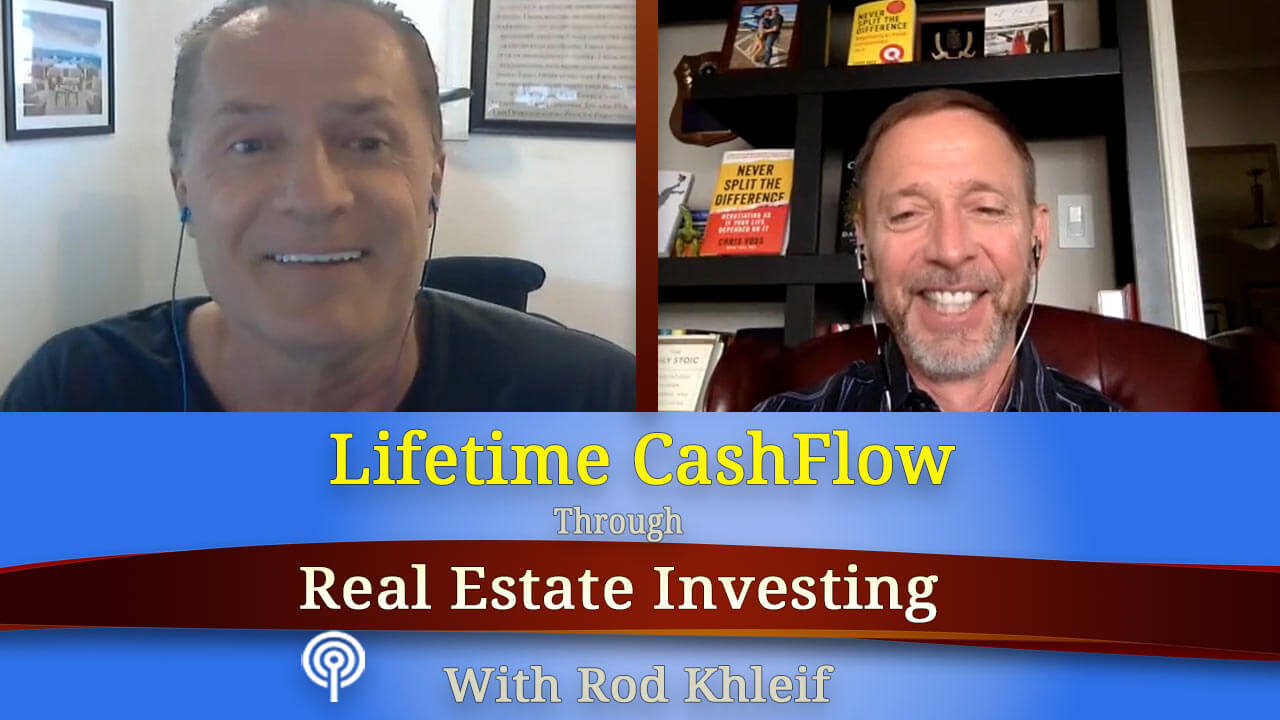
In this episode of Lifetime Cash Flow Through Real Estate Investing, Dave and Morgan Stanhope share how they entered the sober living real estate investing market, expanded their portfolio across multiple states, and developed a business model designed around long distance property ownership. Their experience provides insights into evaluating properties, managing investment risks, working with nonprofit housing operators, and scaling a specialized real estate portfolio.
How Dave and Morgan Stanhope Started Investing in Sober Living Homes
Dave and Morgan Stanhope began their real estate investing journey in 2020 after exploring opportunities to build wealth outside traditional retirement accounts. Dave, a New York State Police investigator, became interested in real estate after a supervisor experienced significant investment losses during the COVID-19 market downturn. The experience motivated the couple to investigate alternative ways to generate income and build long term financial security.
After researching several real estate investment strategies, including multifamily properties and short term rentals, they purchased their first property in Cape Coral, Florida, in October 2020. A conversation with a Florida real estate agent introduced them to sober living real estate investing, a niche they had not initially considered. Rather than pursuing multiple investment strategies, they decided to focus on this specialized housing model and continued expanding their portfolio.
At the time of the interview, their portfolio included:
-
13 sober living homes in Florida
-
2 sober living homes in Tennessee
-
1 sober living home in South Carolina
-
16 total single family properties dedicated to sober living housing
Their expansion demonstrates how investors can build a geographically diversified real estate portfolio while maintaining a focused investment strategy.
How Sober Living Real Estate Investing Works
One of the most important aspects of Dave and Morgan Stanhope’s investment strategy is their partnership with nonprofit organizations that provide housing services for individuals recovering from addiction. Instead of directly managing residents, the couple focuses primarily on acquiring and maintaining the real estate. Their nonprofit partners handle resident placement, house operations, and much of the day to day oversight.
According to the Stanhopes, these nonprofit organizations have established management systems that include house supervisors, regional managers, and state level oversight. Residents also participate in the operation of their homes through assigned responsibilities and leadership roles. This arrangement allows the couple to manage properties remotely from upstate New York without personally overseeing every aspect of resident activity.
The Stanhopes typically look for single family homes with approximately 2,000 square feet or more, often featuring four bedrooms and two bathrooms. Their properties generally accommodate eight to ten residents, with two people sharing a bedroom. In some cases, larger homes offer opportunities to create additional bedrooms from existing living spaces, increasing housing capacity where appropriate.
Sober Living Real Estate Investing Cash Flow and Returns
Cash flow is a major consideration when evaluating sober living real estate investments. Dave Stanhope explains that their properties generate approximately $1,200 in average monthly cash flow per home, with individual properties producing between $1,000 and $1,600 per month. These figures reflect the couple’s reported portfolio performance rather than guaranteed returns for other investors.
Reported average monthly cash flow per home
$1,200
Lower end
$1,000
Higher end
$1,600
Figures reported by Dave Stanhope during the podcast interview.
An important component of their business model is the financial structure established by their nonprofit partners. Dave describes arrangements involving state and federal contracts, along with additional support mechanisms that may help cover housing payments when individual homes experience financial difficulties. These arrangements are specific to their partnerships and should not be assumed to apply to every sober living investment.
For investors evaluating this strategy, understanding the financial stability of the operating organization is just as important as analyzing the property itself. Reliable housing payments, sufficient reserves, and realistic operating expenses all influence whether a sober living property can produce sustainable income.
Managing Sober Living Rental Properties Remotely
Remote property management is another major advantage of the Stanhopes’ approach to sober living real estate investing. Despite living in New York, they oversee properties across Florida, Tennessee, and South Carolina through established vendor relationships and nonprofit operating partners. Their experience highlights the importance of developing reliable local resources before expanding into additional markets.
When they first started investing, the couple relied heavily on spreadsheets, online reviews, and contractor research to manage maintenance requests and property expenses. Over time, they developed relationships with dedicated contractors who could handle repairs and ongoing maintenance without requiring the owners to travel. Their nonprofit partners simultaneously managed resident occupancy and internal housing operations.
As their portfolio expanded, the couple began developing a customized customer relationship management (CRM) platform to organize their operations more efficiently. By investing in technology and creating repeatable management processes, they aim to simplify portfolio oversight and prepare their business for further growth.
Risks and Challenges of Sober Living Real Estate Investing
Although sober living real estate investing can provide attractive cash flow opportunities, the Stanhopes emphasize that investors must prepare for unexpected expenses and operational challenges. Their experience demonstrates that even properties supported by established nonprofit organizations can encounter temporary occupancy issues or unexpected maintenance costs. Careful underwriting and financial reserves remain essential to protecting the investment.
Some of the primary challenges discussed in the episode include:
-
Occupancy fluctuations: Homes may occasionally experience periods when resident occupancy is insufficient to cover housing payments.
-
Cash reserves: Investors need sufficient reserves to cover mortgage payments and operating expenses during temporary income interruptions.
-
Weather related damage: Properties in Florida can face hurricanes, storm damage, and unexpected repairs.
-
Remote maintenance: Managing properties across multiple states requires dependable contractors and clear communication.
-
Portfolio expansion: Scaling into new markets requires additional systems, relationships, and financial resources.
Dave explains that their underwriting process considers the possibility of temporarily covering housing expenses when a property experiences lower occupancy. Although these situations have been relatively uncommon in their experience, the couple has occasionally needed to cover one or two months of rent. Maintaining adequate reserves helps them manage these situations without disrupting their broader investment strategy.
Investors considering sober living properties should also investigate applicable zoning requirements, occupancy rules, property insurance, and local housing regulations before acquiring a property. These considerations can vary significantly by market and affect the feasibility of operating a specialized residential housing investment.
Scaling a Sober Living Real Estate Portfolio Through Capital Raising
Dave and Morgan initially financed their first seven properties themselves before expanding their acquisition strategy to include outside investors. After establishing their business model and demonstrating its cash flow potential, they began raising capital from coworkers and other individuals interested in alternative real estate investments. Their experience illustrates how an investor can transition from personally funded acquisitions toward a more scalable capital raising approach.
Dave explains that his professional relationships within the New York State Police helped introduce potential investors to the sober living housing model. By explaining the investment structure, cash flow performance, and opportunities associated with their properties, the couple attracted investors interested in participating in their portfolio’s growth.
Looking ahead, their stated goal is to acquire ten additional properties in Tennessee and ten in South Carolina over the following several years. They also hope to expand into other markets across the United States while continuing to focus on sober living real estate investing. Their strategy emphasizes building on an established business model rather than continually shifting between different real estate asset classes.
Building a Real Estate Business as a Married Couple
Beyond their real estate investing strategy, Dave and Morgan discuss the importance of communication, shared goals, and clearly defined responsibilities when building a business together. Dave focuses heavily on financial analysis and evaluating investment opportunities, while Morgan contributes to property reviews, inspections, communication, and other business responsibilities. Both remain involved in major investment decisions and regularly review information together.
The couple also emphasizes the importance of family support when pursuing entrepreneurship and financial independence. Their book, How Ordinary People Built Extraordinary Freedom Through Real Estate, shares their journey as a married couple building a real estate business. Rather than focusing primarily on financial calculations, the book explores the personal experiences and relationships that supported their investment journey.
They have also written The Mini Landlords, a children’s book inspired by their two children and designed to introduce young readers to real estate investing concepts. Their broader philosophy centers on exposing their children to entrepreneurship and helping them understand opportunities beyond traditional employment.
About Dave and Morgan Stanhope
Dave and Morgan Stanhope are real estate investors and entrepreneurs based in upstate New York who specialize in sober living real estate investing. Dave serves as a New York State Police investigator, while Morgan helps manage their family and real estate business. Since purchasing their first property in 2020, they have expanded their portfolio to 16 sober living homes across Florida, Tennessee, and South Carolina. Through partnerships with nonprofit housing organizations, they have developed a remote real estate investing model focused on cash flow, operational efficiency, and long term portfolio growth. They are also authors of How Ordinary People Built Extraordinary Freedom Through Real Estate and The Mini Landlords.
Learn More About Sober Living Real Estate Investing
Dave and Morgan Stanhope’s experience demonstrates how a specialized housing strategy can provide opportunities for investors seeking alternative sources of real estate cash flow. Their approach combines careful property selection, nonprofit operating partnerships, financial reserves, and technology to manage a growing portfolio across multiple states. For investors interested in expanding beyond traditional single family rentals or multifamily properties, their story offers a practical look at the opportunities and responsibilities involved in sober living real estate investing.
If you want to hear the full conversation and learn more about Dave and Morgan Stanhope’s property acquisitions, cash flow strategy, nonprofit partnerships, and plans for expansion, watch the podcast video or read the complete transcript below.
Sober Living Real Estate Investing FAQ
What Is Sober Living Real Estate Investing?
Sober living real estate investing involves purchasing residential properties that provide housing for individuals recovering from addiction. These properties are often operated in partnership with nonprofit organizations that manage residents and daily housing operations. Dave and Morgan Stanhope use this investment strategy to generate rental income while providing housing for people in recovery. Their portfolio consists of single family homes across Florida, Tennessee, and South Carolina.
How Does Sober Living Real Estate Investing Work?
Sober living real estate investing typically involves acquiring suitable residential properties and partnering with organizations that specialize in recovery housing. Dave and Morgan Stanhope purchase and maintain the properties while their nonprofit partners handle resident placement, house supervision, and daily operations. This arrangement allows them to focus on real estate ownership rather than directly managing residents. Their model also makes it possible to operate properties remotely across multiple states.
How Much Cash Flow Can Sober Living Homes Generate?
Cash flow from sober living homes depends on property acquisition costs, financing, operating expenses, occupancy, and management arrangements. Dave Stanhope reports that their properties generate approximately $1,200 in average monthly cash flow per home. Their individual properties produce between $1,000 and $1,600 in monthly cash flow. These figures reflect their specific investment experience and are not guaranteed returns for other sober living real estate investors.
Is Sober Living Real Estate Investing Profitable?
Sober living real estate investing can be profitable when properties are purchased at appropriate prices, operating expenses are controlled, and reliable housing partnerships are established. Dave and Morgan Stanhope have developed a portfolio of 16 properties using this specialized investment strategy. Their approach focuses on maintaining consistent rental income while minimizing direct involvement in resident management. However, profitability depends on careful underwriting, sufficient financial reserves, and the performance of each individual property.
What Types of Properties Are Best for Sober Living Real Estate Investing?
Dave and Morgan Stanhope typically target single family homes with approximately 2,000 square feet or more, often featuring four bedrooms and two bathrooms. Their properties generally accommodate eight to ten residents, with approximately two residents per bedroom. In some cases, they identify opportunities to create additional bedrooms from existing living spaces. Investors must also evaluate local occupancy requirements, zoning regulations, and property suitability before pursuing this strategy.
Can You Invest in Sober Living Homes Without Managing Residents?
Yes, investors can potentially own sober living properties without directly managing residents by partnering with established housing organizations. Dave and Morgan Stanhope work with nonprofit operators that handle resident placement, internal house responsibilities, and daily supervision. Their nonprofit partners have management structures that include house supervisors, regional managers, and state level oversight. This allows the Stanhopes to concentrate on acquiring properties, coordinating maintenance, and expanding their real estate portfolio.
What Are the Biggest Risks of Sober Living Real Estate Investing?
The primary risks discussed by Dave and Morgan Stanhope include occupancy fluctuations, unexpected maintenance expenses, property damage, and temporary interruptions in rental income. They explain that lower occupancy can occasionally require investors to cover housing expenses until payments stabilize. Their Florida properties also face weather related risks, including hurricanes and storm damage. To manage these challenges, they emphasize conservative underwriting, reliable contractors, and maintaining adequate financial reserves.
How Do Nonprofit Partnerships Work in Sober Living Real Estate Investing?
Nonprofit partnerships can allow real estate investors to separate property ownership from the daily operations of recovery housing. In the Stanhopes’ investment model, nonprofit organizations manage resident placement, house supervision, and operational responsibilities while the couple maintains the real estate. Dave also describes financial support arrangements involving state and federal contracts that may help certain nonprofit operators meet housing obligations. These arrangements vary by organization and should be carefully evaluated before purchasing a sober living investment property.
Can Sober Living Real Estate Investing Be Managed Remotely?
Yes, Dave and Morgan Stanhope demonstrate how sober living real estate investing can be managed remotely through established partnerships and local service providers. Although they live in upstate New York, they own properties in Florida, Tennessee, and South Carolina. They rely on nonprofit organizations for resident operations and local contractors for maintenance and repairs. They are also developing a customized CRM platform to improve organization and efficiency as their portfolio expands.
How Can Investors Scale a Sober Living Real Estate Portfolio?
Scaling a sober living real estate portfolio requires a repeatable acquisition strategy, reliable operating partnerships, sufficient capital, and effective property management systems. Dave and Morgan Stanhope initially purchased their first seven properties using their own resources before raising capital from outside investors. They expanded by explaining their investment model and cash flow performance to potential investors. Their future plans include acquiring additional properties in Tennessee and South Carolina before expanding into other markets across the United States.
How Does Sober Living Real Estate Investing Compare to Traditional Rental Properties?
Sober living real estate investing differs from traditional rental property investing primarily in its occupancy structure and management arrangements. Traditional single family rentals generally involve leasing a property to an individual household, while sober living homes may accommodate multiple residents participating in recovery housing programs. Dave and Morgan Stanhope work with nonprofit organizations that manage resident placement and daily operations. Their experience highlights how this specialized housing model can offer an alternative approach to generating rental income from single family properties.
How Do You Get Started in Sober Living Real Estate Investing?
Getting started in sober living real estate investing involves researching suitable markets, evaluating properties, understanding housing regulations, and identifying experienced operating partners. Dave and Morgan Stanhope began by educating themselves about different real estate investment strategies and speaking with professionals already working in the industry. A conversation with a Florida real estate agent introduced them to sober living housing, leading to their first property acquisition in Cape Coral in 2020. Their experience emphasizes the importance of education, strong partnerships, careful financial analysis, and taking action on a clearly defined investment strategy.
00:00:35:20 – 00:00:55:08
Rod Khleif
Welcome to lifetime cash flow through real estate investing. I’m Rod Khleif, and I’m thrilled you’re here. And I know you’re going to get tremendous value from the wonderful folks I’m interviewing today. It’s David and Morgan Stanhope. And, I’m going to let them tell you their background, but they are in the sober living business, which is I’ve never interviewed anybody in that business, although I didn’t tell you guys.
00:00:55:08 – 00:01:02:02
Rod Khleif
I was considering that. Well, we’ll get into that here once we go. Going here, but, Yeah, let’s let’s just get right into it. Welcome, guys.
00:01:02:07 – 00:01:19:22
Dave Stanhope
Thank you. Thank you for having us. So I’m Dave, this is Morgan. We live in upstate New York. We have two small children, a nine and six years old. Yeah. We, you know, we’re I’m a W2 employee. And. Morgan. I run the house, runs a house, so.
00:01:19:22 – 00:01:23:01
Morgan Stanhope
I stay home with my kids, take care of that side of business.
00:01:23:05 – 00:01:27:03
Rod Khleif
And now you’re. You’re a state police investigator. That’s kind of cool.
00:01:27:05 – 00:01:45:14
Dave Stanhope
Yep. Joined New York State Police 2014. Was a trooper on the road, making arrest, pulling over cars, all that. And then fast forward, you know, six years from 2014 was promoted to a BCI, which is our investigative, bureau and vernal internal. Yep. And then.
00:01:45:16 – 00:01:47:03
Rod Khleif
By all the other cops then at this point.
00:01:47:04 – 00:01:48:08
Dave Stanhope
Right. No, no, no, I.
00:01:48:08 – 00:01:49:03
Rod Khleif
Was seeing that on.
00:01:49:03 – 00:02:02:14
Dave Stanhope
Movies, that’s all. Nope. I was never Internal Affairs, so, but I, I’m in a counterterrorism unit now, and our goal is to prevent another 911 from ever happening again in New York State. So that’s what I do now. Wow.
00:02:02:20 – 00:02:20:19
Rod Khleif
Well, that’s very cool. That’s great work. Thank you for that. That’s good work. Okay. So to keep going sorry, I, I have four and a half stars on iTunes because I interrupt my guests too much. So the largest real estate podcast for commercial real estate. And I only have four and a half stars anyway.
00:02:20:21 – 00:02:57:07
Dave Stanhope
So we got into real estate in 2020. And it was just from a, you know, obviously putting in all the effort in terms of education, listening podcasts, reading books and, you know, using my commute time down to work and learning while I commuted. So fast forward, we, you know, Covid struck. And, you know, my supervisor at the time, he lost around $300,000 in his 457 and said, if you can figure something else out, that’s not a 41457 be, you know, real estate might be a good idea, then you can offset a huge loss like that.
00:02:57:07 – 00:02:59:19
Dave Stanhope
So that was really our beginning for real estate.
00:02:59:20 – 00:03:11:12
Morgan Stanhope
Yeah, we just had a couple of conversations with people that had already done some form of investment. We had a chat about it, and then in October 2020, we bought our first property in Cape Coral, Florida.
00:03:11:17 – 00:03:32:23
Rod Khleif
Cape Coral, Florida. Now this is that’s very interesting. Let me tell you why. That’s very interesting. At one time I owned 160 houses in Lee County, okay, in Cape Coral, Fort Myers. Yeah. That was a lifetime ago. Pre pre 2008. You don’t know my story. I lost 50,000,000 in 2008. 800 houses along the Gulf Coast here crashed and burned.
00:03:33:01 – 00:03:37:02
Rod Khleif
Anyway. Please continue. First place in Cape Cod. I had to stop for a second.
00:03:37:04 – 00:03:38:14
Dave Stanhope
No.
00:03:38:16 – 00:03:39:16
Rod Khleif
Yes. We picked.
00:03:39:20 – 00:03:56:20
Dave Stanhope
We picked Cape Coral. Just. It was a good projected to be a great retirement place. Everyone was moving from New York and California out of those states, down to Florida. And, you know, everyone wants to sunshine and warm weather. So it made sense at the time. And from there we have a 13 homes in Florida, two in Tennessee and one in South Carolina.
00:03:56:20 – 00:03:59:11
Dave Stanhope
And we’re rapidly expanding from there.
00:03:59:13 – 00:04:01:03
Rod Khleif
And they’re all sober living. Yes.
00:04:01:05 – 00:04:02:13
Dave Stanhope
All sober living homes.
00:04:02:13 – 00:04:05:10
Morgan Stanhope
So all single family, single family, sober living.
00:04:05:11 – 00:04:19:12
Dave Stanhope
Yep. So we got into that unique space, when we it was our first home was in Cape Coral. Was that was the first sober living home. And to be honest, we were looking at apartment complexes. We were looking at, you know, just some way to start.
00:04:19:15 – 00:04:23:23
Morgan Stanhope
And there’s so much information out there. At the time, we had two small.
00:04:23:23 – 00:04:25:15
Rod Khleif
Kids about sober living.
00:04:25:18 – 00:04:44:24
Morgan Stanhope
No, just in general. Before we even pulled the trigger on buying our first property, we were looking at different avenues as out of state investors. What that was going to look like. Obviously at the time, no systems in place. We just had our education of listening to people like you. And we were just trying to think, do we want an Airbnb?
00:04:45:03 – 00:05:11:10
Morgan Stanhope
Do we want multifamily? And we actually interviewed a few different realtors in the state of Florida. A couple of them didn’t offer too much insight or information. And then we stumbled upon someone who brought the sober living idea into our kind of wheelhouse. Yeah, yeah. Yep. Thought about it for a minute. Didn’t take too long before we decided that was the avenue we were going to start with.
00:05:11:12 – 00:05:13:19
Morgan Stanhope
Yeah. We never, never switched gears.
00:05:13:19 – 00:05:20:22
Dave Stanhope
Yeah. Always had the mantra, you know, at least try it once. And what’s the worst that can happen? And, you know, and then go from there.
00:05:20:24 – 00:05:35:18
Rod Khleif
No, I love it, I love it. I as I, as I mentioned, I looked into that as well as halfway houses in houses when I was when things were imploding like, shit, I got to do something. Rents aren’t coming in as good. And I was really looking at at some of these other alternatives for houses like you guys have embraced.
00:05:35:19 – 00:06:00:10
Rod Khleif
Now I’ve got can I ask some some logistical questions? Because I’m just wondering. You know, mechanically, the oversight, the management of that asset from you guys being in upstate New York to, you know, for our plane ride or 3.5 hour plane ride. So. So do you give me walk through some of the mechanics. Now, actually, before I go there, it’s a nonprofit.
00:06:00:12 – 00:06:01:13
Dave Stanhope
It is? Yes.
00:06:01:15 – 00:06:06:18
Rod Khleif
Yep. So does it need to be to be able to get state contracts and things like that? Is that how it works?
00:06:06:19 – 00:06:26:22
Dave Stanhope
They do have state contracts. They also have federal contracts. So they have a bunch of safety nets in place. So if house in Tampa, you know, Tampa, Florida can’t pay the, you know, original other homes will kick in rent. If they can’t pay, the state of Florida will kick in. And if that is unsuccessful, for whatever reason, then the federal government will kick in rent.
00:06:26:24 – 00:06:32:13
Rod Khleif
So so you guys basically your income is salaries from the nonprofit.
00:06:32:15 – 00:06:34:08
Dave Stanhope
Absolutely. Absolutely.
00:06:34:10 – 00:06:46:11
Rod Khleif
Yep. Okay. Got it. Okay. So, so logistically, how do you manage a sober house? How many, how many, how many? Men or women? I assume it’s mostly men. Or is it.
00:06:46:13 – 00:06:49:06
Dave Stanhope
That’s a no. It’s a mix of both.
00:06:49:08 – 00:06:50:07
Rod Khleif
Both in the same house.
00:06:50:08 – 00:06:51:12
Dave Stanhope
No no no no no no.
00:06:51:15 – 00:06:55:03
Rod Khleif
All right, all right, all right. I’m going to say that. So get a little. Okay.
00:06:55:05 – 00:06:56:12
Morgan Stanhope
So interesting.
00:06:56:15 – 00:06:58:19
Rod Khleif
How many men were in the Cape Coral House. Let me ask you.
00:06:58:23 – 00:07:02:19
Dave Stanhope
We’re looking around eight people per home, 8 to 10 people,
00:07:02:21 – 00:07:03:23
Rod Khleif
Bedroom or.
00:07:04:00 – 00:07:04:11
Rod Khleif
Okay.
00:07:04:14 – 00:07:10:06
Dave Stanhope
Two per bedroom. And sometimes we’ll create an extra bedroom if the house is big enough, if there’s a second dining room.
00:07:10:08 – 00:07:11:09
Rod Khleif
Yeah.
00:07:11:11 – 00:07:26:19
Morgan Stanhope
Our by boxes, typically 2000ft² or more. Home for bed, two bath. Yeah. Sometimes we can, you know, in Florida, some of the houses, there’s maybe multiple dining room or family room areas we can chop up and create another bedroom. That type of situation.
00:07:26:20 – 00:07:27:14
Rod Khleif
Gotcha.
00:07:27:16 – 00:07:32:07
Rod Khleif
So so so who who oversee, you know boots on the ground. How’s that handled.
00:07:32:10 – 00:07:51:12
Dave Stanhope
So you’re looking at it. So, so so logistically, when we started out, it was a lot of spreadsheets. It was a lot of going on Yelp, Google. If there’s ever an AC repair, we have our dedicated contractors that we use in Florida at this point. So we’ve built those relationships from the beginning and.
00:07:51:14 – 00:07:56:18
Morgan Stanhope
Using YouTube. I’m sorry, not YouTube, Yelp, Google reviews.
00:07:56:20 – 00:07:57:05
Rod Khleif
Okay.
00:07:57:06 – 00:08:03:01
Rod Khleif
We’re talking about the maintenance. I guess I’m thinking, is there oversight on these on these, on these residents?
00:08:03:03 – 00:08:29:00
Dave Stanhope
So I get what you saying. So the so the homes are there democratically run. So you might have eight people in the home. Everyone has a job within the home, whether they’re president, secretary, treasury. But then the nonprofit has a supervisor over the homes of all of Cape Coral. So there are go to contact for anything that’s, you know, maintenance wise or rent wise for that home.
00:08:29:02 – 00:08:30:02
Rod Khleif
And they on your payroll.
00:08:30:02 – 00:08:31:11
Rod Khleif
Or they outside of it.
00:08:31:12 – 00:08:31:18
Rod Khleif
Okay.
00:08:31:19 – 00:08:43:09
Dave Stanhope
They’re outside of us. Us and they’re paid by the nonprofit. And then above them they have regional regional managers and then they have a state manager. So it’s a it’s very hands off for us. Very, very hands off.
00:08:43:14 – 00:08:45:17
Rod Khleif
They’re paid by another nonprofit.
00:08:45:19 – 00:08:52:11
Dave Stanhope
They’re paid by they’re paid by their own nonprofit. So you have no.
00:08:52:11 – 00:09:14:20
Morgan Stanhope
Yeah. So, so basically the way it works with, with, I would say probably most of the nonprofits around the country that deal with sobriety, they have their own systems in place. So they handle, you know, filling the houses. People that have gone through recovery, they need a place to live. So that’s where we come in. So we just strictly handle the real estate side.
00:09:14:23 – 00:09:20:05
Morgan Stanhope
We purchased the homes, we find the homes, You know, maintain the home.
00:09:20:06 – 00:09:20:14
Rod Khleif
You don’t you.
00:09:20:14 – 00:09:21:16
Rod Khleif
Don’t have to feed them.
00:09:21:18 – 00:09:25:15
Rod Khleif
You don’t know. None of us know. But we. Don’t even have to.
00:09:25:17 – 00:09:27:22
Rod Khleif
Provide a furnished environment, though.
00:09:27:24 – 00:09:28:09
Rod Khleif
Correct?
00:09:28:15 – 00:09:30:08
Morgan Stanhope
Sometimes. So sometimes.
00:09:30:09 – 00:09:30:18
Rod Khleif
Generally.
00:09:30:20 – 00:09:32:06
Dave Stanhope
They’ll they’ll furnish the homes.
00:09:32:07 – 00:09:34:09
Rod Khleif
Yeah, yeah. Wow. Yeah, yeah.
00:09:34:10 – 00:09:47:21
Morgan Stanhope
There’s been a couple of instances where we’ve gotten a couple things during the sale of the home that they’ve left, previous owners have left behind, but typically they they fill the homes and they’ll bring their own personal belongings in and, go from there.
00:09:47:23 – 00:09:48:06
Rod Khleif
Wow.
00:09:48:10 – 00:10:01:08
Rod Khleif
Wow. So, if you don’t mind, you know, I’m a capitalist. I’m a greedy capitalist. I’m just curious. What what what does the revenue look like on these things? I mean, you know, what are you guys able to.
00:10:01:10 – 00:10:02:03
Rod Khleif
I mean.
00:10:02:05 – 00:10:03:00
Rod Khleif
If you’re willing to share.
00:10:03:01 – 00:10:03:23
Rod Khleif
Yeah, absolutely.
00:10:03:24 – 00:10:20:05
Dave Stanhope
So an average home cash flow is about $1,200 a month. And then, yeah. So that’s our average, you know, it’s, it’s high right now as around $1,600 a home cash flowing and as low as around $1,000 per home. But our average.
00:10:20:05 – 00:10:20:15
Rod Khleif
You guys.
00:10:20:17 – 00:10:24:22
Rod Khleif
You guys pull that out. Is that for yourselves? Is that income?
00:10:24:24 – 00:10:27:03
Rod Khleif
Absolutely. Wow.
00:10:27:09 – 00:10:37:08
Rod Khleif
Love it. Okay. What, what sort of challenges have you had with with with this model? I’m just curious because.
00:10:37:09 – 00:10:39:10
Rod Khleif
I would that. Yeah. Yeah.
00:10:39:12 – 00:10:59:21
Dave Stanhope
The biggest challenge is if, you know, not having a house full. And that’s the biggest challenge to how do you float that rent, how do you float that mortgage and make it work? I think that comes back to a lot of our underwriting and making sure that we’re able to successfully carry on with these homes, even if they’re not fully occupied.
00:10:59:23 – 00:11:12:08
Dave Stanhope
It rarely, rarely, rarely happens. However, it’s happened a couple of times where we might have to float one month’s rent or two months rent. But we have our reserves, and, you know, we’ve we’ve planned for those contingencies.
00:11:12:10 – 00:11:30:10
Morgan Stanhope
I’d say another thing to, is whether obviously having 13 homes in Florida and dealing with weather patterns and hurricanes and all that, that can be a little bit of a hassle at times. Just for example, this past weekend. Yeah. Two of our houses up in Pensacola had some.
00:11:30:10 – 00:11:31:02
Rod Khleif
Issues.
00:11:31:04 – 00:11:33:16
Rod Khleif
Up there in the Panhandle. Okay. Yeah, you guys were right in it there.
00:11:33:17 – 00:11:34:18
Rod Khleif
Yeah, absolutely.
00:11:34:20 – 00:11:37:14
Morgan Stanhope
You know, trees down. Luckily, nobody was hurt.
00:11:37:15 – 00:11:38:12
Rod Khleif
But Milton.
00:11:38:12 – 00:11:55:05
Rod Khleif
And Helene, I was in the Mediterranean. What we were just talking about, I was out there and and, and, you know, I’ve got big generators here. And I was telling my ex who was with me on the trip, I said, you know, if our cameras go out, were flooded, and the cameras went out and thank God they did wasn’t flood.
00:11:55:05 – 00:12:02:05
Rod Khleif
It was the belt on one of the generators broke. But my doc looked like something out of a Doctor Seuss book. It was like this and this.
00:12:02:07 – 00:12:03:02
Rod Khleif
And replace it.
00:12:03:02 – 00:12:07:22
Rod Khleif
But, but yeah, that hit the whole West Coast back then. Did you guys have houses when those two hit back then?
00:12:08:02 – 00:12:08:21
Rod Khleif
Yeah. Oh, yeah.
00:12:08:22 – 00:12:26:08
Rod Khleif
Yep. So yeah. Well yeah. Well and then and then, Ian, Ian did $1 million worth of damage to my home here. Yeah, yeah. Wow. Ian’s my best friend. I got a new roof, new pavers, and there is, like, he’s my bud. Yeah, but.
00:12:26:09 – 00:12:33:20
Dave Stanhope
And I agree with you. I think there’s a silver lining in there with some of the hurricane. I mean, we have stuff right now that we’re dealing with, but like, I mean, I agree with you.
00:12:33:20 – 00:12:49:14
Rod Khleif
We should come out usually come on out on top with the insurance, especially if you get a public adjuster. By the way, guys, if you’re listening, highly recommend. If you have any kind of a claim at all, get a public adjuster. You will get more money even with their fee every single time. You know, I’ve had big fire claims.
00:12:49:14 – 00:13:08:05
Rod Khleif
I had a 20 units in Nashville burned to the ground that got nobody died. I’ve had a tornado hit 101 units and in Dayton, Ohio, and destroyed it. And and you always come out on top if you get a public. In fact, I had a public adjuster on the show a couple of months ago. Anyway, I digress. So so, so yeah, you deal with stuff like that.
00:13:08:05 – 00:13:13:08
Rod Khleif
Okay. And, and, and so, do you raise money for these things?
00:13:13:13 – 00:13:17:06
Dave Stanhope
So we started our first seven.
00:13:17:08 – 00:13:20:13
Rod Khleif
Capital scandal. Capital. That sounds like equity raising.
00:13:20:15 – 00:13:45:14
Dave Stanhope
Yes it is. Yep. So we started with just doing the first seven ourselves. And then after that we started raising capital. And we raised funds from coworkers and explaining the model and explaining our cash flow and what we could provide them, which would be our 457 B for state police. So they were everyone, you know, we have quite a few people, investors on board just because it beats what we do within state police.
00:13:45:16 – 00:14:01:09
Rod Khleif
Oh that’s cool. That’s really cool. What a perfect what a perfect feeder for, you know, capital for you guys. And it’s and it’s a home run. It’s a win win. Love it. Absolutely love it. So, so what’s next. Are you sticking with the sober living thing? Are you going to look into some other asset classes? What are you thinking?
00:14:01:12 – 00:14:25:05
Dave Stanhope
I think we’re going to continue on. My goal is to purchase in the next couple of years ten within Tennessee, ten within South Carolina, and then expand across the United States from there. We’re building a CRM, our own CRM platform to manage everything. And one thing just kind of to go back is just managing everything is I just wasn’t happy with all the different software out there.
00:14:25:05 – 00:14:29:04
Dave Stanhope
So we hired a software engineer and it should be ready actually this week and.
00:14:29:08 – 00:14:49:10
Rod Khleif
With AI with let me just tell you something, and I haven’t said this publicly before, but we were using a very expensive CRM like 4000 a month at a very expensive marketing. What’s the word? Just the system. I don’t want to say the names because I don’t want to get in the but but, the system.
00:14:49:10 – 00:15:11:18
Rod Khleif
That was another fourth. Not. I’m sorry, not a month, a quarter, 4000, a quarter. And another system that evaluated our marketing results based on our website. That was 4000 a quarter. My IT guy replaced both of those, and now it’s $40 a month. Okay. These are these are big, big companies. I’m going to tell you software is, you know, as a company, a SaaS is is its own way.
00:15:11:18 – 00:15:23:16
Rod Khleif
And so yeah, we built incredible deal evaluator software for my multifamily, incredible deal evaluator software for a senior housing evaluations. Yep. I mean AI is just incredible.
00:15:23:18 – 00:15:31:07
Dave Stanhope
It is. Yep. And I mean, the other week I was playing around and I created our own app just to with AI and it’s incredible.
00:15:31:09 – 00:15:47:20
Rod Khleif
Yeah. Yeah. I mean there’s some sobering pieces to it as well. You know, you see some of the shit on the news. But yeah. So, so you guys wrote a couple of books, how ordinary people built extraordinary freedom through real estate. Okay. What’s that book about? Is it so we’re living or is it other things? Oh, there it is.
00:15:47:21 – 00:15:48:14
Rod Khleif
Yes. Yes, yes.
00:15:48:16 – 00:16:14:09
Dave Stanhope
Yep. So this is it right here and how it would be to the screen. So it’s just it’s our story. Our story is a married couple. And how we started and how it’s not a by the numbers book. It’s not a, you know, deal calculations book, but it’s a story about us and how I think one of the biggest, you know, assets, if you’re going to get into real estate, is having a supportive partner and having someone that’s on board with you.
00:16:14:10 – 00:16:19:08
Dave Stanhope
If you can have that. I think that beats out a lot of other all these other systems in place.
00:16:19:10 – 00:16:33:23
Rod Khleif
Well, I gotta tell you, I got to tell you, you know, I salute you guys for a couple of reasons. One, you know, not everybody can work together. My ex and I would have killed each other if we were together. Secondly, the fact that you’re a cop and and and the fact that you’re able to, you know, there’s a lot of divorce in your world.
00:16:34:03 – 00:16:52:08
Rod Khleif
Yes. There is if unless at least I thought there was. And just because, you know, you come home and you’re still in police mode and and you know, your spouse doesn’t want to hear that. Yeah, but the fact that you guys worked together. So I had a question around that. Have you guys divided duties. Have you separated duties or do you both do everything.
00:16:52:10 – 00:17:01:07
Dave Stanhope
No I’d say we divide duties. I couldn’t tell you how to use any type of social media in the world. More than that. She’s great with that. Yeah.
00:17:01:09 – 00:17:12:10
Morgan Stanhope
I mean, I’m I’m home, like, with the kids, so I’m bringing the kids to and from. Although Dave does a lot with the kids to we coaches multiple sports. I but I think in terms of, of our.
00:17:12:12 – 00:17:13:15
Rod Khleif
Business on the business side.
00:17:13:16 – 00:17:15:04
Morgan Stanhope
In the business side of it. Yeah.
00:17:15:05 – 00:17:26:03
Dave Stanhope
Yeah. So I value it the numbers, I’ll, I’ll handle that. But I think the biggest relief of me is her being able to handle the home front and allows me to really tackle into the real estate.
00:17:26:06 – 00:17:41:21
Morgan Stanhope
Yeah. But you know, like I, we, I triple check, we look at inspection reports together. I’ll take some. He’ll take some, I’ll find things he misses and vice versa. I think, you know, we always run everything by each other. So communications the number one thing in life and in business. Yep.
00:17:41:22 – 00:17:56:19
Rod Khleif
Yeah. There it is. In life and in life and business and every relationship, in every partnership, including intimate partnerships, communications, everything. Wow. So so so not you’ve got. Is that on Amazon? That book? How are you?
00:17:56:20 – 00:17:59:18
Dave Stanhope
It is that’s that’s on Amazon. And I’ll do it.
00:17:59:22 – 00:18:04:01
Rod Khleif
And then of course. And of course Theo and Mila. Those your kids. Yes. Yes they are.
00:18:04:06 – 00:18:05:08
Dave Stanhope
So you’ll see that one.
00:18:05:13 – 00:18:10:03
Rod Khleif
Look how big they are. The mini landlords. Oh, I love it.
00:18:10:05 – 00:18:26:07
Dave Stanhope
So that’s a book we wrote for them just for them to enjoy. And, and just a story of them, you know, re rehabbing some homes and within our neighborhoods and, you know, they’re both great kids and, you know, they really they love the story though. Yes, yes.
00:18:26:09 – 00:18:31:21
Rod Khleif
Showing them this stuff. You know, my I finally got my daughter to buy a triplex. Good God. I mean, she’s 35 and I.
00:18:32:01 – 00:18:32:10
Dave Stanhope
But I.
00:18:32:12 – 00:18:49:10
Rod Khleif
I, I’m the most successful teacher about multifamily really on the planet at this point. My students on 305,000 units that we know of. And and finally I got her to buy a freaking triplex. Although it’s got my maintenance guys up in right now, he’s been there, he’s been living up there, but she can make a lot of money on it.
00:18:49:10 – 00:18:54:02
Rod Khleif
But yeah, thank God. So no, that’s awesome that you got involved. That’s really cool.
00:18:54:03 – 00:19:09:12
Dave Stanhope
Yeah. Yep. We try to we try to integrate them into a lot of this and what we’re doing and day to day. And you know, I think everyone else they’re just used to the 9 to 5. They used to, you know your normal school. And if they can kind of break out of that mold and see what we’re doing, I think it pays dividends later on in life for them.
00:19:09:14 – 00:19:09:23
Rod Khleif
Yeah.
00:19:09:24 – 00:19:11:01
Morgan Stanhope
Just just exposure.
00:19:11:03 – 00:19:28:05
Rod Khleif
I mean, highly recommend if you guys have kids listening, get that book because you want to start having them look at other things besides get a job and and build somebody else’s dream, you know, build your own freaking dream. So I love that. So that’s on is that on Amazon as well? Yeah.
00:19:28:07 – 00:19:29:17
Dave Stanhope
Yep. Both of them are on Amazon.
00:19:29:17 – 00:19:51:17
Rod Khleif
Yep. Love it. Love it. Well listen guys I really appreciate you coming on the show. You really, just a obviously doing some great things. And and I love how you work so well together and you’re an inspiration in that regard. And, and, you know, like I said, not everybody can do it. But when you if, if both people are enrolled, you know, it’s, it’s a, it’s an absolute home run.
00:19:51:17 – 00:19:57:08
Rod Khleif
You have speed bumps, you bump up against each other and stuff, I’m sure. But you work by communication is how you work through it, right?
00:19:57:09 – 00:19:58:07
Dave Stanhope
That’s right. Yeah. Yeah.
00:19:58:08 – 00:20:06:18
Rod Khleif
Well, well, listen, I appreciate you coming on, guys. It’s very much a pleasure to meet you. Let me know if you end up getting a place down here in Lakewood Ranch. We’d love to break bread with you sometime if you.
00:20:06:18 – 00:20:07:05
Dave Stanhope
Absolutely.
00:20:07:06 – 00:20:08:12
Morgan Stanhope
Sounds wonderful. Thanks so much.
00:20:08:13 – 00:20:09:03
Dave Stanhope
Thank you very much.
00:20:09:04 – 00:20:09:17
Morgan Stanhope
Take care.