Rental Property Management Systems: How to Go From Landlord to Real Estate Operator
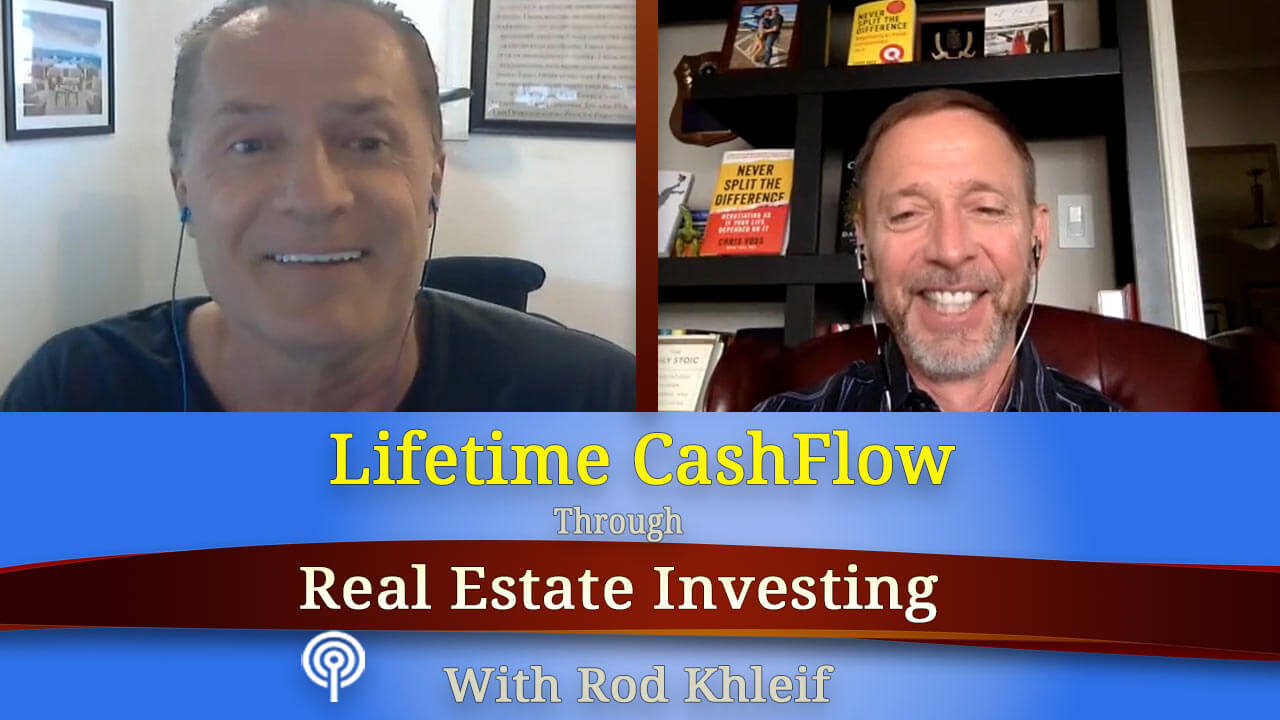
Building a successful real estate portfolio takes more than finding properties and collecting rent. To scale a rental property business, investors need repeatable systems, reliable teams, and consistent oversight of their operations. In this episode of Lifetime Cash Flow Through Real Estate Investing, Martin Perdomo explains how rental property management systems can help landlords move beyond managing every detail themselves and become professional real estate operators. Drawing from his experience in hundreds of real estate transactions and ownership of properties in Florida and Pennsylvania, Martin shares valuable lessons about overcoming market downturns, building operational systems, managing contractors, and positioning a real estate business for long-term success.
Martin Perdomo’s Journey From Survival to Real Estate Investing
Martin Perdomo is a real estate investor, entrepreneur, author, and founder of Elite Strategies Consulting Group. He has completed hundreds of real estate transactions and owns a portfolio of approximately 125 doors across Tampa, Florida, and Pennsylvania. He is also the author of From Survival to Mastery, a book focused on mindset, personal development, and helping landlords develop the systems necessary to become successful operators. Additionally, Martin hosts the Wealthy AF podcast, where he discusses wealth creation, business, and personal growth.
Martin’s journey into real estate began long before his first investment property. After experiencing extreme poverty and homelessness as a teenager, he developed a powerful desire to own real estate and create financial security. He eventually entered the mortgage business in 2005, where he experienced the rapid growth and subsequent collapse of the housing market. In 2007, at just 27 years old, he purchased his first investment property, a duplex in northeastern Pennsylvania. The financial challenges that followed the housing crash taught him important lessons about leverage, risk management, and the importance of having the right systems in place.
Why Rental Property Management Systems Are Essential for Scaling
One of Martin’s biggest takeaways from his early investing experiences was recognizing that successful real estate operators had systems that allowed them to grow without personally handling every responsibility. He noticed that some investors were building substantial portfolios while maintaining full-time jobs, whereas he was struggling despite having previously earned significant income in the mortgage business. The difference was their ability to operate through established processes rather than relying entirely on their own time and effort.
Martin now teaches landlords how to transition from self-employed property owners into professional operators. His approach focuses on three important components:
-
Investment criteria: Establish clear filters for the properties you want to acquire, including asset type, property size, purchase price, and other acquisition requirements.
-
Operational systems: Develop repeatable processes for managing properties, handling maintenance, leasing, tracking financial performance, and overseeing daily responsibilities.
-
People and accountability: Build a dependable team and establish clear expectations so the business can operate without the owner constantly wearing multiple hats.
Martin emphasizes that owning rental properties and operating a real estate business are two different things. Without systems and the right people, landlords can easily become trapped working inside their businesses instead of building businesses that provide greater freedom.
Managing Property Managers and Tracking Key Performance Indicators
A major part of becoming a successful real estate operator is knowing how to manage property performance. Martin explains that even investors who hire third-party property management companies must understand what is happening inside their properties. Delegating daily responsibilities does not mean giving up accountability for the financial and operational performance of an investment.
Effective asset management requires consistent reporting and oversight. Investors should understand their vacancies, rent collections, delinquency, lease renewals, maintenance timelines, and overall property performance. These measurements are commonly referred to as key performance indicators (KPIs), and reviewing them regularly helps operators identify problems before they become more expensive.
For smaller landlords who manage their own properties, establishing checklists and standard operating procedures (SOPs) can make a significant difference. Rather than handling every situation differently, documented processes create consistency and make it easier to train employees, delegate responsibilities, and eventually expand the portfolio. The same principles apply to larger multifamily investments, where operators must hold third-party property managers accountable through regular asset management meetings and performance reviews.
How AI Is Changing Rental Property Management
Technology and artificial intelligence are creating new opportunities for real estate investors to improve operational efficiency. During the conversation, Martin and Rod discuss how AI can reduce the amount of manual work involved in managing rental properties and running a real estate business. Tasks such as answering phones, scheduling appointments, coordinating property tours, and handling administrative responsibilities are increasingly capable of being automated.
For landlords who are still managing everything themselves, implementing AI tools could help eliminate repetitive tasks and free up valuable time. For larger operators, AI can improve back-office operations, marketing, communication, and property management workflows. However, the technology itself is only part of the equation. Investors must have someone who understands how to implement these tools effectively and integrate them into existing business systems.
The larger lesson is that real estate investors should not ignore technological advancements that could improve their operations. Building a scalable business means continuously evaluating better ways to accomplish everyday tasks while maintaining accountability and service quality.
Lessons From a $700,000 Redevelopment Project
Martin also shares an important lesson from his first major redevelopment project in Tampa. After acquiring a 24-unit property, he encountered significant challenges when he hired the wrong contractor. Despite recognizing that the contractor’s pricing seemed unusually low, he convinced himself that the deal would still work financially because he had room in his renovation budget.
The decision ultimately resulted in major delays and additional complications. The contractor failed to obtain the proper permits, leading to a stop-work order from the city and approximately six months of delays. Martin eventually fired the contractor, brought in someone new, and had to address the permitting and architectural requirements before moving forward.
This experience reinforced the importance of thoroughly vetting contractors before beginning a redevelopment project. A low bid does not necessarily represent the best value, especially when construction delays, permitting problems, and poor workmanship can significantly increase the total cost of a project.
For real estate investors considering value-add acquisitions or redevelopment opportunities, Martin’s experience highlights several important considerations:
-
Thoroughly investigate a contractor’s experience and previous projects.
-
Verify that contractors understand local permitting requirements and building regulations.
-
Be cautious of bids that seem unusually low compared with other estimates.
-
Establish clear expectations, timelines, and accountability before work begins.
-
Understand local regulations before purchasing a property that requires significant redevelopment.
His experience demonstrates why successful real estate investing requires more than identifying an attractive acquisition. Investors must also understand the operational and construction challenges involved in executing their business plans.
Finding Real Estate Opportunities During Market Corrections
Martin’s experience during the 2008 financial crisis also shaped his perspective on investing during difficult market conditions. After struggling financially during the downturn, he made a commitment to become better prepared for the next market correction. He recognized that investors who understood how to identify opportunities, evaluate deals, and operate efficiently could benefit when distressed properties became available.
During the conversation, Martin discusses his expectations for the real estate market and the possibility of additional challenges ahead. He points to weakening housing activity, affordability concerns, and changing interest rates as factors that could influence future opportunities. He also explains that real estate markets tend to move slowly, meaning that changes in interest rates do not necessarily translate into immediate changes in buyer activity.
For investors, the important lesson is to prepare before opportunities appear. Having established investment criteria, access to capital, reliable teams, and efficient operating systems can put investors in a stronger position to act when attractive acquisitions become available. Market corrections can create opportunities, but only for investors who have the discipline and preparation to evaluate deals carefully.
The 80/20 Rule, Mindset, and Becoming a Better Operator
Beyond property management and acquisitions, Martin discusses the mindset principles behind his book, From Survival to Mastery. One of the central concepts is the Pareto Principle, commonly known as the 80/20 rule. The idea is that a relatively small percentage of activities often produces the majority of meaningful results. For real estate investors, identifying those high-impact activities can improve productivity and help focus attention on what actually moves the business forward.
Martin also emphasizes the importance of weekly planning, setting intentions, and understanding the reason behind specific goals. He explains that knowing your why is often more important than knowing exactly how you will accomplish something. A strong purpose creates motivation and helps investors remain committed when challenges arise.
His approach encourages investors to prioritize the activities that produce meaningful results rather than filling their schedules with tasks that simply keep them busy. Whether evaluating acquisitions, managing properties, developing relationships, or improving operations, focusing on the highest-impact responsibilities can make a significant difference in long-term success.
Ultimately, transitioning from landlord to operator requires a combination of mindset, organization, leadership, and repeatable systems. Martin’s experiences demonstrate that setbacks can become valuable lessons when investors are willing to examine their mistakes and improve their approach.
If you want to hear the full conversation and learn more about Martin Perdomo’s real estate investing journey, rental property management systems, contractor lessons, and strategies for becoming a successful real estate operator, watch the podcast video or read the complete transcript below.
Visit Martin’s website for a free 30-Day Operator Reset:
www.MartinPerdomo.com
Rental Property Management Systems FAQ
What Are Rental Property Management Systems?
Rental property management systems are the processes, tools, and procedures investors use to oversee rental properties efficiently. These systems help manage tenants, rent collection, maintenance, vacancies, property managers, and daily operations. Martin Perdomo emphasizes that establishing effective systems allows investors to move beyond simply being landlords and become real estate operators who can manage and scale their portfolios.
Why Are Rental Property Management Systems Important for Real Estate Investors?
Rental property management systems help investors maintain consistent operations, improve accountability, and protect the financial performance of their properties. Without reliable systems, owners can become overwhelmed by daily responsibilities and struggle to identify operational problems. Effective systems make it easier to monitor performance, delegate responsibilities, and focus on growing a real estate portfolio.
How Can Investors Build Effective Rental Property Management Systems?
Investors can build effective rental property management systems by creating clear procedures for acquisitions, tenant management, maintenance, rent collection, and property manager oversight. Each responsibility should have defined expectations and measurable performance standards. Martin Perdomo highlights the importance of having the right people, processes, and accountability in place so that properties can operate efficiently without requiring the owner to handle every task.
What Key Performance Indicators Should Rental Property Investors Track?
Rental property investors should monitor key performance indicators that reveal how well their properties are operating. Important metrics include occupancy rates, vacancy periods, rent collections, delinquency, lease renewals, maintenance expenses, and overall property performance. Tracking these numbers helps investors identify problems early, evaluate property managers, and make informed operational decisions.
How Do Rental Property Management Systems Help Investors Scale Their Portfolios?
Rental property management systems allow investors to oversee more units without taking on every operational responsibility themselves. By standardizing processes, delegating tasks, and holding property managers accountable, investors can reduce the amount of time spent handling daily issues. These systems create a foundation for expanding a portfolio while maintaining greater control over performance and operations.
Should Real Estate Investors Hire a Property Manager or Manage Rentals Themselves?
The decision depends on an investor’s experience, available time, portfolio size, and ability to manage daily operations. Hiring a property manager can help investors delegate tenant communication, maintenance coordination, leasing, and rent collection. However, Martin Perdomo stresses that owners still need systems for monitoring performance and holding their property managers accountable. Hiring a manager does not eliminate the need for active oversight.
How Can Investors Hold Property Managers Accountable?
Investors can hold property managers accountable by establishing clear expectations, reviewing performance reports, and consistently tracking key operational metrics. Regularly monitoring occupancy, collections, vacancies, renewals, and maintenance helps owners determine whether their properties are being managed effectively. Clear communication and measurable goals also make it easier to identify problems and address them before they negatively affect property performance.
How Is Artificial Intelligence Changing Rental Property Management Systems?
Artificial intelligence is creating new opportunities to automate administrative tasks and improve rental property operations. Potential applications include answering phone calls, scheduling appointments, coordinating property tours, supporting marketing, and handling back-office responsibilities. Martin Perdomo discusses how investors can use AI to improve efficiency, reduce repetitive work, and create more effective management systems.
What Can Real Estate Investors Learn From Contractor Mistakes?
Real estate investors should carefully evaluate contractors before committing to major renovation or redevelopment projects. Martin Perdomo shares a lesson from a 24-unit redevelopment project in Tampa where a contractor submitted an unusually low bid, failed to obtain permits, and caused a significant delay. Investors can reduce similar risks by checking contractor experience and references, confirming permit requirements, establishing clear expectations, and monitoring project progress.
How Can Rental Property Management Systems Prepare Investors for Market Downturns?
Strong rental property management systems help investors maintain better control over expenses, occupancy, collections, and property operations when market conditions become challenging. Consistent monitoring can reveal declining performance and operational problems before they become more serious. Investors who understand their property metrics and maintain reliable processes are better positioned to make informed decisions during market corrections.
What Is the Difference Between Being a Landlord and Being a Real Estate Operator?
A landlord often focuses on owning rental properties and handling the responsibilities associated with individual tenants and buildings. A real estate operator takes a broader approach by developing systems, managing people, tracking performance, and creating repeatable processes across a portfolio. Martin Perdomo encourages investors to make this transition so they can build more organized, scalable real estate businesses.