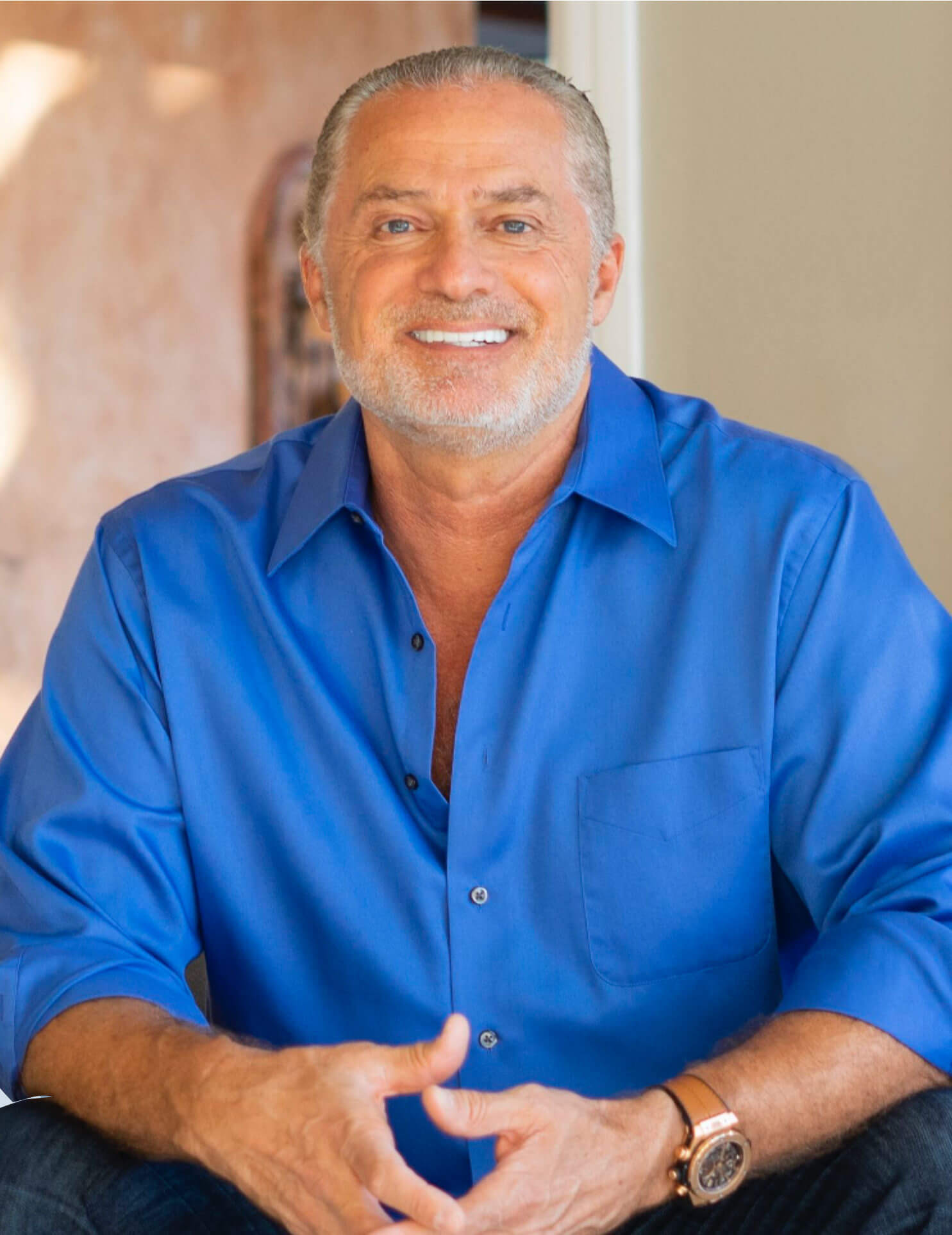
Real Estate Tax Planning Strategies for Investors
Real estate tax planning can play a major role in how investors build, protect, and preserve wealth. In this episode of Lifetime Cash Flow Through Real Estate Investing, Loral Langemeier explains why investors and business owners should take a proactive approach to their finances instead of waiting until tax season to address their tax bills. Her approach focuses on bringing corporate structure, tax planning, asset protection, estate planning, and investment strategy together as part of a larger financial system.
Who Is Loral Langemeier?
Loral Langemeier is an entrepreneur, investor, author, mentor, and business advisor with experience across real estate, oil and gas, alternative assets, and business acquisitions. She became a real estate millionaire in 1999 through commercial real estate investments in Oklahoma City and Norman, Oklahoma, and later expanded into oil and gas and company acquisitions. She has also authored multiple books, including The Millionaire Maker, and has spent years teaching and mentoring entrepreneurs on wealth creation.
Why Proactive Real Estate Tax Planning Matters
One of the central points Loral Langemeier makes is that traditional tax preparation can be too focused on the past. She describes a proactive approach where investors forecast their income, determine where they want to invest, and identify tax strategies that may be available throughout the year. For real estate investors, this means considering the tax consequences of an investment before making financial decisions rather than simply handing information to a tax professional after the year is over.
Loral also emphasizes that the financial foundation surrounding an investment matters. She discusses corporate structures, tax planning, estate planning, trusts, life insurance, and asset protection as interconnected pieces of a larger strategy. Her perspective is that investors should build this foundation intentionally as their businesses and investments grow rather than waiting until a problem forces them to make changes.
Tax Strategies Real Estate Investors Should Understand
The conversation highlights several areas that may be worth discussing with qualified tax professionals. Loral specifically points to cost segregation and bonus depreciation for real estate investors, along with research and development credits for businesses and certain real estate-related projects. She explains that R&D credits can apply to qualifying research and development activities and notes examples involving unique commercial real estate projects, construction, and other industries.
Key areas discussed include:
- Cost segregation and bonus depreciation
- Research and development tax credits
- Corporate structure and business entities
- Estate and legacy planning
- Reviewing previous tax returns for missed opportunities
Loral also discusses the potential value of reviewing prior tax returns rather than assuming everything was optimized the first time. She argues that investors who consistently overpay taxes could potentially have redirected some of that capital toward investments and wealth-building opportunities. Her broader message is that tax planning should be viewed as part of an investor’s wealth strategy, not simply an administrative task completed once a year.
Building Multiple Revenue Streams
Beyond taxes, Loral Langemeier challenges entrepreneurs and investors to look for additional revenue opportunities that already exist within their businesses. She gives the example of a custom home company that expanded into additional areas such as distribution, allowing the business to generate several types of revenue from activities connected to its existing operations.
For real estate investors, this mindset can encourage a broader examination of the businesses surrounding an investment. Instead of viewing a property as an isolated source of income, investors can evaluate related services, products, construction activities, or other opportunities that may complement their existing operations. The goal is to identify ways to make existing knowledge, relationships, and business activity work harder.
Protecting Wealth Through Legacy Planning
Loral also stresses that creating wealth is only part of the equation. Investors need to think about what happens to that wealth after they are gone and whether the next generation is prepared to manage it. She describes working with families to educate their children about the financial structures and strategies their parents have built, emphasizing that knowledge and preparation can be just as important as the assets themselves.
Her approach combines financial education with broader legacy planning so that wealth can be managed intentionally across generations. She argues that successful investors should understand their own financial systems rather than relying entirely on accountants, attorneys, or other professionals to make every strategic decision for them.
Assessing Your Financial Position
Loral describes a Financial Personality Quiz designed to help identify different financial challenges, including stunted cash flow, stagnant business growth, overpaying taxes, and lazy assets. Her point is that many financially successful people may not recognize inefficiencies in their financial structure because they are not experiencing an obvious financial crisis. A closer assessment can reveal opportunities that may otherwise remain hidden.
For wealthy professionals, business owners, and real estate investors, the key lesson is to look beyond simply making more money. Strong real estate tax planning requires understanding how income is generated, how investments are structured, how taxes affect returns, and how wealth will ultimately be protected and transferred. Loral Langemeier’s approach centers on integrating these pieces rather than treating each financial decision as a separate issue.
If you want to hear the full conversation and detailed insights from Loral Langemeier, watch the podcast video or read the complete transcript below.
Real Estate Tax Planning FAQ
What Is Real Estate Tax Planning?
Real estate tax planning is the process of proactively managing the tax implications of real estate investments and business activities. It can involve evaluating corporate structures, available deductions, depreciation strategies, and other tax considerations throughout the year rather than waiting until tax season.
Why Is Real Estate Tax Planning Important for Investors?
Real estate tax planning can help investors identify potential tax-saving opportunities and make more informed financial decisions. Loral Langemeier emphasizes that tax planning should be part of an overall wealth strategy that also considers investments, asset protection, and legacy planning.
How Does Cost Segregation Fit Into Real Estate Tax Planning?
Cost segregation can be an important consideration in real estate tax planning because it may allow certain components of a property to be depreciated on different schedules. Loral Langemeier specifically identifies cost segregation and bonus depreciation as strategies real estate investors should understand and discuss with qualified tax professionals.
What Are R&D Tax Credits and Can Real Estate Businesses Qualify?
Research and development tax credits may be available to businesses that perform qualifying research and development activities. Loral Langemeier discusses how certain commercial real estate, construction, and other specialized projects may involve research and development activities that could potentially qualify for these credits.
Should Real Estate Investors Review Previous Tax Returns?
Reviewing previous tax returns can help investors identify potential opportunities that may have been overlooked. Loral Langemeier discusses reviewing multiple years of tax returns as part of evaluating whether an investor has been overpaying taxes or missing available strategies.
How Does Business Structure Affect Real Estate Tax Planning?
Business structure can be an important part of real estate tax planning because the way an investment or business is organized can affect how income, expenses, and assets are managed. Loral Langemeier emphasizes establishing appropriate corporate structures as part of building a stronger financial foundation.
How Does Estate Planning Relate to Real Estate Tax Planning?
Estate planning and real estate tax planning can work together to help investors think beyond current tax obligations and consider how wealth will be protected and transferred. Loral Langemeier discusses trusts, asset protection, and educating the next generation as important components of a broader wealth strategy.
When Should Real Estate Investors Start Tax Planning?
Real estate investors should consider tax planning throughout the year rather than waiting until tax season. Loral Langemeier advocates forecasting income, considering planned investments, and evaluating potential tax strategies proactively so financial decisions can be made with tax implications in mind.
00:00:30:16 – 00:00:50:11
rod Khleif
Welcome back to lifetime cash Flow through real estate investing. I’m Rod Khleif and I’m thrilled that you’re here. I know you’re going to get tremendous value from the woman that I’m interviewing today. Her name is Loral Langmuir, and Laurel is the founder and CEO of several asset companies, alternative asset companies, that is. And her bio is long enough that I’m going to attempt it.
00:00:50:12 – 00:00:51:19
rod Khleif
Welcome to the show, Loral.
00:00:51:24 – 00:00:53:14
Loral Langemeier
Thank you. It’s great to be here.
00:00:53:17 – 00:00:59:07
rod Khleif
Yeah. So why don’t you give us a little background, give us a little bio in your words, and then let’s have some fun.
00:00:59:11 – 00:01:24:05
Loral Langemeier
Yeah, I’ll give the short version. I grew up in Nebraska on a farm. Fast forward, got the book Think and Grow Rich at 17. Changed my entire trajectory going to school, so got a finance and business degree. But I was an athlete. Natchez physiology was my love. So like most people, when they get out of school and the, you know, late 80s, early 90s, if you don’t want a job, you go back to school.
00:01:24:05 – 00:01:48:03
Loral Langemeier
So I got a job in investment banking firm for a minute that I’m not sitting at a desk. I went back to school, got a master’s in excess physiology. So my 20s, I spent a very interesting career with the finance and physiology degree. Started a lot of corporate wellness. Chevron was my biggest client. I built a 272 fitness centers on offshore oil rigs, flew around in helicopters and seaplanes and bill fitness centers.
00:01:48:03 – 00:02:05:01
Loral Langemeier
And I did the cost analysis of why unhealthy people cost companies a fortune. So that was all the wellness days. And then Bob Proctor and I were he was my mentor. And then we were business partners. We had a program where people would pay, he and I $100,000 to work with us for a year. We did that for about eight years.
00:02:05:02 – 00:02:22:23
Loral Langemeier
And then Integrated Well Systems is my company and we’ve been making millionaires. So I wrote the book in 2005. It came out January 21st 20, 2006. New York Times number one for months and months and months. And we’ve been doing this ever since making millionaires.
00:02:23:02 – 00:02:24:07
rod Khleif
What’s the name of the book?
00:02:24:12 – 00:02:48:07
Loral Langemeier
The Millionaire Maker? A lot of people. Millionaire maker. I got the brand, I got the book. So I did four books with McGraw-Hill. I became a real estate millionaire in 1999. All commercial real estate Oklahoma City in Norman, Oklahoma were my markets and then immediately got into gas and oil because of my Chevron experience. So as a millionaire in gas and oil, both into in 1999 was my double millionaire year.
00:02:48:07 – 00:03:10:12
Loral Langemeier
And then fast forward a little bit, I got into just buying companies. I thought, you can buy real estate by companies, just different levels, due diligence. So I bought a recycled glass company, sold that for 23 million, did a supplement company right after that so that in the 30 millions. So just turnaround companies and got them making a lot of money.
00:03:10:12 – 00:03:31:14
Loral Langemeier
And so I love alternatives. I’ve been in gas and oil and real estate ever since 1999, and I invest in it every year and stay in it. So but mostly I’m mentoring, coaching, teaching. And then in the last years I have gotten in the legal marijuana business. So I own one of the largest farms here in Nevada. We produce what’s called mom’s meds.
00:03:31:14 – 00:03:38:04
Loral Langemeier
So we do a lot of medical I want. That’s another passion of mine. Just give give people off opioids. They don’t need.
00:03:38:04 – 00:03:38:21
rod Khleif
To be.
00:03:38:23 – 00:03:54:05
Loral Langemeier
So I have a lot. I mean, I walk my talk, I don’t just teach it and mentor people, which is my love. I actually am out doing the deals and creating my own wealth that way. But it’s separate. The investing side is separate from the mentoring side. They’re not.
00:03:54:07 – 00:04:16:15
rod Khleif
Gotcha, gotcha. So the mentoring is this integrated wealth systems. So so that’s funny. You read Think and Grow Rich. Let me tell you something funny. I’ve given away at least ten, 10,000, 10,000 physical copies of that book because I used to give it out of every one of my boot camps. It’s a book you should read 3 or 4 times a year, guys, if you haven’t read it, get it.
00:04:16:17 – 00:04:30:18
rod Khleif
Napoleon Hill. So, so so let’s talk about some of the things that people need that you provide. So let’s go there. Why don’t you take and take that and we’ll run somewhere with it.
00:04:30:19 – 00:04:50:00
Loral Langemeier
Absolutely. So what most people don’t realize is financial services world as you, you know, are highly aware is very segregated. So most people are paid on fees and commissions. They have to have a license to talk, a license to have a presentation. Early in my career, I was on CNBC, met Susie Orman. She said, don’t get licensed, so I didn’t.
00:04:50:00 – 00:05:13:11
Loral Langemeier
I was right about two. She said, otherwise, you’ll be scripted by brokers your whole life. I didn’t really know what that all meant until now. I know what that means. So everybody’s in their lane selling their thing for fees and commissions, but who’s who actually cares about the client? So I saw that pattern. Oh, yeah. And part of my background to is from 1996 to 2000, I left Chevron and I was part of the Rich dad, Poor dad team.
00:05:13:11 – 00:05:37:21
Loral Langemeier
So as part of the advisor team, I was I actually was a master distributor of the game. So I’ve taught that cash flow. Game over. I don’t know how many thousands of times put it in different continents, but through that met a ton of people. I mean, my mentorship went through the roof when I was part of the Sharon Lecture and Robert Kiyosaki group, and I knew back then the integration was going to be critical because your tax person usually is a historian.
00:05:37:21 – 00:05:45:15
Loral Langemeier
I call CPAs, mostly historians. You hand them your crap at the end of the year, and then they historically record and they file a tax return, and there’s no strategy to it.
00:05:45:15 – 00:05:49:09
rod Khleif
So no proactive, no proactive nature to it. That’s the problem.
00:05:49:11 – 00:06:11:11
Loral Langemeier
Yeah. And they don’t meet with them quarterly. They’re not forecasting. They’re super. It’s so interesting to watch CPS and I love them. My son is one. So I thought it was going to come back and help take over the company. But he decided to go be a federal agent. So he’s in D.C.. Yeah, totally different path. But I saw the CPA world as an interesting place for me to stand in and say, who’s integrating?
00:06:11:11 – 00:06:29:21
Loral Langemeier
Because the tax strategist should be talking to the estate, has to talk to the state. Lawyers, should be talking to their clients about every financial move they make, every investment, especially alternative investing. You got to look at the tax consequences or implications. And no one’s CPAs just file, you know, they work January to April.
00:06:29:22 – 00:06:32:11
rod Khleif
They drive who’s in the rearview mirror. That’s the problem.
00:06:32:14 – 00:06:50:17
Loral Langemeier
They do. And so ours is forecasting for what is what I call it, where we’re going to look at what are you doing for the whole year? How much are you making? Where do you want to invest? What what part of the tax codes are you not using that you could implement? Not a fan, not not a fan, or even believe in soul proprietorship.
00:06:50:17 – 00:07:12:10
Loral Langemeier
If you’re going to be a business owner, get a company. So we do corporate structure to tax planning, tax real planning, a lot of legacy creation because all those companies should be held in a trust. So you don’t need probate funded by life insurance and infinite banking, kind of life insurance. And there’s just a system to it that most people how their how they come to it.
00:07:12:10 – 00:07:31:10
Loral Langemeier
And, you know, this rod is they’re offered little bits like with you, they can go to rod and get commercial real estate. Well, who’s doing the corporate structure? Who’s doing the tax planning? Who’s doing the then what will become legacy planning? Like there’s a whole house of cards that need to be built. And so we we rebuild foundations of people’s lives from corporate structures.
00:07:31:12 – 00:07:58:20
rod Khleif
Sounds very valuable. I’ll be honest, Laurel. It sounds very valuable because because every one of those pieces comes into play, you know, asset protection, estate planning, like you said. And definitely the proactive tax planning that that I don’t get me started on, on how frustrating it is with CPAs and you’re trying to fix stuff that’s already passed. So and then you’ll help them, you know, you help them form a company, which is a must do.
00:07:58:21 – 00:08:12:16
rod Khleif
You’ve got to have a company. Guys, if you’re going to do this, you have to have a company for sure. Yeah. And then you’ve got some I’m guessing you’ve got some out there tax saving strategies that that people may not even be aware of. You want to share. You want to share 1 or 2.
00:08:12:18 – 00:08:31:03
Loral Langemeier
Well, I’m sure the obvious, because I did most of this as a single mom is you don’t I actually just did a Fox interview and they said, you know, I one of my sayings is if you don’t have kids, get them their tax deduction. But then but then people don’t use them. So here I have so many entrepreneurs that have companies and they still don’t employ their kids.
00:08:31:03 – 00:08:51:24
Loral Langemeier
They still don’t have their kids have a Roth IRA. So there’s that whole thing. And then depending on the industry, there’s cost segregation, huge, huge missing piece R&D credits. Most people don’t even realize R&D credits is a very specialized niche in the tax code. And most like from real estate to construction, especially GCS engineering companies, they don’t they’re not even.
00:08:52:01 – 00:09:07:06
rod Khleif
Hold on, hold on one second. You’re moving really quick. So, you know, cost segregation. Of course we do. And we teach. And along with bonus depreciation. And that’s a no brainer in the real estate world. But R&D credit. So could you could you elaborate on that a little bit as it might relate to my audience.
00:09:07:08 – 00:09:33:16
Loral Langemeier
Yeah. So I mean any sort of a project that you can actually there’s whether you have intellectual property, I mean, there’s so many commercial real estate projects I’ll use that, you know, specific niche that have intellectual property, tiny home communities, the way some different R-V parks and mobile home parks are being built. So there’s there’s just all the research and development that went into it, because these projects just don’t come up and all of a sudden make money.
00:09:33:16 – 00:09:47:10
Loral Langemeier
There’s a whole history of from working with the architect to designing the project, making it strategically unique. I have a client in Alaska who does only connect storage units. Huge, huge advantage in in the way that he.
00:09:47:10 – 00:09:53:24
rod Khleif
Put his at work. I just I don’t fully understand it and that’s new for me. So what is how does it work. Could you be a little more anything.
00:09:53:24 – 00:10:17:10
Loral Langemeier
That’s it’s research and development credits. So when you go back, the people who I’ve seen win the most is in. I have a lot of natural paths, chiropractors who have supplement companies, all of that research and development is all tax advantaged and tax deductions, and most of them don’t know how to use it. So there’s a whole section of the tax code called R&D credits.
00:10:17:10 – 00:10:36:16
Loral Langemeier
And most of the CPAs they specialize that do it. That’s all they do. So the firms we use we use a couple of different firms in the country, and that is all they do. They’re specialized just in that. So there’s a whole list of industries. If you just go to the IRS code and like look at the industries that can qualify for it, enormous, enormous companies can qualify.
00:10:36:18 – 00:10:40:16
rod Khleif
So I mean, you would expense you would expense this.
00:10:40:18 – 00:10:41:00
Loral Langemeier
Research.
00:10:41:00 – 00:10:45:14
rod Khleif
And development. You’re yeah, you would expense it. So there’s more than just expensing. It is what you’re saying.
00:10:45:16 – 00:11:04:07
Loral Langemeier
There’s a whole nother advantage just like gas and oil. And you know the bonus depreciation in real estate there’s extra depreciation and different schedules on what those expenses are. And a lot of people just don’t. They take them as a normal expense not as an R&D credit. So it’s a credit. Yeah. It’s it’s different. It’s sort of like a carbon credit.
00:11:04:08 – 00:11:25:00
Loral Langemeier
I mean think of it in that model. It’s a different use of it. Solar credits. So it’s a credit you get for doing the work and providing the value. So we yeah, we do that. We do a lot of three year tax return reviews because again, they had a historian or worse, the amount of people who think they can file their own taxes, like our tax teams have a master’s in tax.
00:11:25:00 – 00:11:39:10
Loral Langemeier
So that’s six years. Plus they have 200 hours of audit. I mean, my son, like I said, just went through this. So I mean it took 7 or 8 years. So I say I liken them to a surgeon as the way I explained it to the public, you don’t do your own surgery. Why in the heck are you doing your own taxes?
00:11:39:10 – 00:12:04:08
Loral Langemeier
You’re not even you don’t even have a clue. And you’re not reading 81,000 pages of tax code. And there’s more than that now at the big beautiful bill. So you’re not an expert. Why are you doing something that’s this significant? And, you know, a statistic, Rob, that I use is for even if you only overpay tax for $10,000 and my kind of clients are overpaying like 7800, hundreds of thousands of dollars is, is how bad their tax bill is because they’ve had such poor planning.
00:12:04:08 – 00:12:22:21
Loral Langemeier
But if you say just 10,000 for 20 years, if that money was saved and invested, if a an average of 1,213%, you just put 1.1 million on your own balance sheet. So why are you giving it to the IRS? Because you’re a little like I call it an invisible pain because our client, like my ideal client, doesn’t have overt pain.
00:12:22:21 – 00:12:25:15
Loral Langemeier
Like they’re not broke. They they know their.
00:12:25:17 – 00:12:26:11
rod Khleif
Their money.
00:12:26:14 – 00:12:40:10
Loral Langemeier
Their money. They’re overpaying taxes because they just haven’t found a good team. And they’re just used to it. And they’re kind of used to shitty corporate structure. Sorry. But they do. There’s like who set up the fact that commercial properties are sometimes in an asterisk, like who does that? Like.
00:12:40:11 – 00:12:40:19
rod Khleif
Oh yeah.
00:12:40:24 – 00:13:07:22
Loral Langemeier
Like oh my gosh. Like so we find, like I just got a new client. She is her grandfather passed away. She and her sister are the heir of a massive, massive estate. I mean, 500 plus acres of farmland. And the lawyer took it. So, I mean, we have we we are also big problem solvers because I’ve been doing this for so long and because I’m active in so many other industries and I’ve been around a lot of litigation, none of that stuff scares me.
00:13:07:23 – 00:13:24:14
Loral Langemeier
I’ve published books, I’ve done all the things. So I’m just a huge value to clients with my experience and the diversity of my experience. But that foundation of how they’re making their money has got to get strong. And that’s where I find most people have just kind of casually left it alone because I don’t know what to do.
00:13:24:14 – 00:13:25:00
Loral Langemeier
So they don’t do.
00:13:25:00 – 00:13:30:23
rod Khleif
Anything, how they’re making their money or how they’re protecting and reporting their money. Yeah, yeah, yeah, okay.
00:13:30:24 – 00:13:53:10
Loral Langemeier
All of it. Because a lot of people that make money, they only have one, you know, they’re in one track and that same track, say in architect, they could be in five other tracks of very similar revenue. Why aren’t they picking those up like RG is like, I don’t like in your real estate, I take somebody in real estate and say, why aren’t you also the construction company, the distributor of a lot of the products?
00:13:53:11 – 00:14:13:09
Loral Langemeier
Like I have a company out of Idaho, for example. They do custom homes. They said, why don’t you? Why don’t you carrying most of the stuff that you buy and b the distributor in the Boise area, and now they are. So they add on 4 or 5 kinds of revenue that they normally wouldn’t have had. That’s just part of their daily activity.
00:14:13:11 – 00:14:14:12
Loral Langemeier
So that.
00:14:14:14 – 00:14:20:09
rod Khleif
Provide do you do you provide any of the.
00:14:20:11 – 00:14:25:20
rod Khleif
What’s the word I’m looking for sea level support or give me a I guess a little more detail.
00:14:25:22 – 00:14:43:09
Loral Langemeier
As a way to think about it? I would be like an advisor of some level on their teams, clearly to their companies. For those that want to bring, you know that I may take a formal advisor seat, but that’s how I. I don’t like to be a coach. I’m way beyond just a coach. And I’m not talking about your feelings or any of that.
00:14:43:10 – 00:15:00:23
Loral Langemeier
There’s a reason I was Doctor Phil’s money expert, not Oprah Winfrey, because I’m not going to love you to support. I’m going to kind of kick you in the rear and say, let’s go and get to it. So from there, business and how they’re making the money. I teach a lot of just pros and cons and due diligence on how to how they’re looking at their investments.
00:15:00:23 – 00:15:16:04
Loral Langemeier
Because I’m not an advisor, I do have alternative investment advisors available. And then more importantly, just as importantly, is that legacy plan. And, you know, I always tell some of these wealthy people, why are you just handing your money to a bunch of 40? What will become 40, 50?
00:15:16:06 – 00:15:18:14
rod Khleif
Get me started on that. Yeah. Don’t get me started on that.
00:15:18:15 – 00:15:32:23
Loral Langemeier
Don’t even do it. Give it away to charity before you give it away. Blow it. They’re going to blow it in the first year and first generation. So a lot of clients come like I recently got a couple 80 year old clients and they’re not coming for themselves. They’re enrolling their kids to learn what the heck their parents do.
00:15:32:24 – 00:15:35:18
Loral Langemeier
I said, oh, they’re going to lose everything. You’ve just built your life.
00:15:35:18 – 00:15:36:10
rod Khleif
On how it.
00:15:36:10 – 00:15:53:20
Loral Langemeier
Works and the kids have to get educated. The kids have to say, my here’s here’s what you know. They’re a trust fund baby. And how you think I have a lot of cynicism about it. My accountant and lawyer handling it. Oh that’s brilliant. Let’s let them who aren’t as wealthy as you handle your strategy. You need to lean in.
00:15:53:20 – 00:16:00:10
Loral Langemeier
So I’m a huge educator. Like all this isn’t going to happen to you and be sustainable unless you actually start learning it.
00:16:00:12 – 00:16:11:20
rod Khleif
So you step in and consult and you’ve got all these other other sources of information and support and and so it’s integrated well systems.
00:16:11:22 – 00:16:12:10
Loral Langemeier
Yeah.
00:16:12:11 – 00:16:14:05
rod Khleif
Okay. Okay. Interesting.
00:16:14:10 – 00:16:35:01
Loral Langemeier
And when you first go to the page you can take a file called Financial Personality Quiz. That will put you in one of four categories of problems. You’re having either stunted cash flow or you could have a stagnant business growth where you’re just not growing in your business, overpaying taxes or lazy assets. So you end up in one of those categories, and then that helps us have a conversation with where you want to go.
00:16:35:01 – 00:16:44:08
Loral Langemeier
And a lot of times people, again, they don’t know how much pain they’re in. And till you start looking at it and assessing and they’re like, oh my gosh, I had no idea how bad this was. It’s like, yeah.
00:16:44:10 – 00:17:01:20
rod Khleif
Yeah, no, I totally I totally resonates with me, which is why I’m glad I had you on the show, because I think you’re providing a value that’s necessary out there, so. Well, listen, I appreciate you coming on. I’m going to go check out your website myself and see, see what? See what’s what and and yeah.
00:17:01:22 – 00:17:27:14
Loral Langemeier
Some free goodies. I have some free goodies. Right. So this. I’ve actually redid this book. This is version two. We put it out in 2025. And this is on an e-book with two tickets to an event I teach about living corporate like meaning, how do you live through a company? Do the deductions versus personal expenses. So if they go to ask Laurel, ask for cast, they’ll get the two tickets in the book and get whatever else you want.
00:17:27:15 – 00:17:29:08
Loral Langemeier
We give a ton of stuff away for free.
00:17:29:13 – 00:17:38:15
rod Khleif
Yeah, same. Fantastic. Well, all right, Laura, we’ll absolutely include that everywhere. And I appreciate you coming on and and. Yeah.
00:17:38:15 – 00:17:40:11
Loral Langemeier
So have you back on mine.
00:17:40:15 – 00:17:46:16
rod Khleif
I think that’s a great idea. Well, thanks. Thanks, Laurel. Appreciate you coming on. Take care.
00:17:46:18 – 00:17:47:22
Loral Langemeier
Thank you. Have a great day.
00:17:48:03 – 00:17:49:01
rod Khleif
Yeah. You too.