Why a Public Insurance Adjuster Can Save Commercial Real Estate Investors Millions
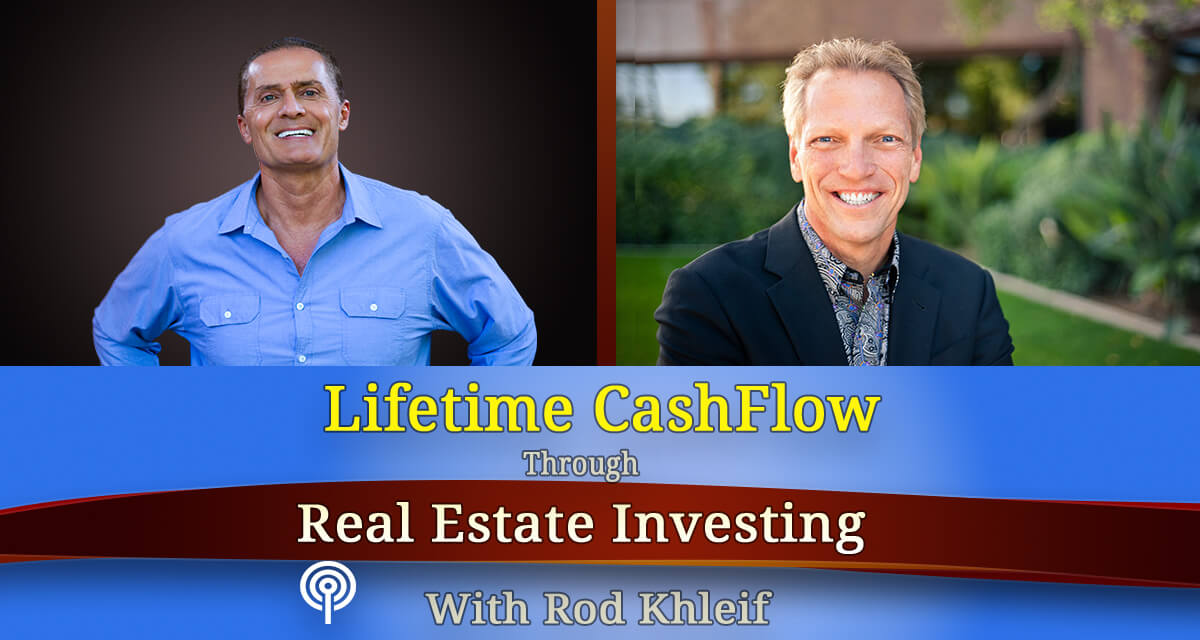
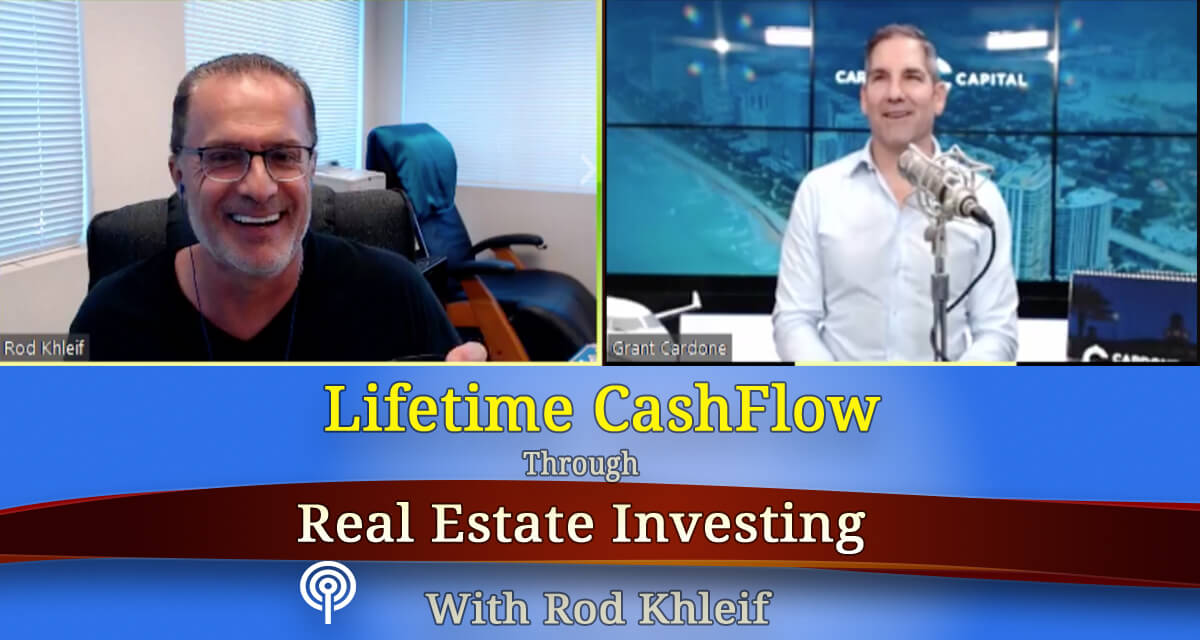
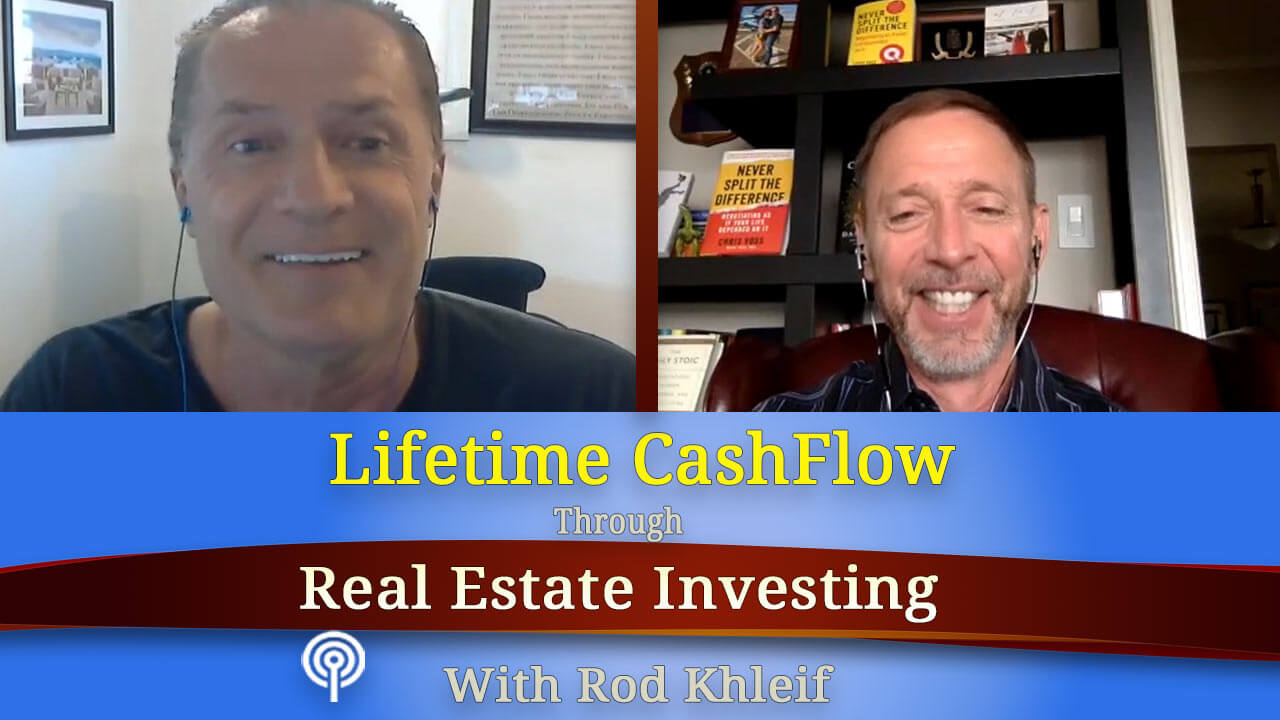
For multifamily owners and commercial real estate investors, insurance is one of the largest expenses they hope they never have to use. But when disaster strikes, whether from a fire, hurricane, tornado, or other catastrophic event, how an insurance claim is handled can determine whether an investor fully recovers or suffers major financial losses. In this episode of Lifetime Cash Flow Through Real Estate Investing, Ralph Sampson shares why working with a public insurance adjuster for commercial property claims can dramatically improve both the outcome and speed of the claims process.
Using a real-world case study involving one of Rod Khleif’s Nashville apartment communities, the conversation explores how a devastating fire destroyed 22 apartment units and led to an 18-month rebuilding process. Ralph explains how proper claim representation helped recover not only the physical rebuilding costs but also substantial business interruption income and code compliance expenses that could have otherwise been overlooked.
Understanding the Role of a Public Insurance Adjuster
Many property owners assume the insurance company will fairly calculate every aspect of a loss. Ralph Sampson explains that insurance companies hire adjusters to represent their own interests, while a public insurance adjuster works exclusively for the policyholder.
Rather than inflating claims, a public insurance adjuster performs a detailed evaluation of every covered loss, including:
- Building damage
- Business interruption and lost rental income
- Code compliance costs
- Engineering evaluations
- Hidden structural damage
- Property restoration timelines
This comprehensive approach helps commercial real estate owners recover the full value they are contractually entitled to receive.
Why Business Interruption Coverage Matters
One of the biggest educational takeaways is the importance of business interruption insurance. Losing apartment units means much more than repair costs because rental income immediately disappears while expenses continue.
Ralph discusses how insurance companies often delay business interruption payments, creating financial pressure that encourages owners to accept lower settlements. By properly documenting projected occupancy, rent growth, renovations, and realistic restoration timelines, investors can significantly improve their income recovery during the rebuilding process.
The discussion also highlights how lease-up projections, occupancy improvements, and recently renovated units can materially impact lost income calculations when properly documented.
Insurance Policies Often Have Hidden Coverage Gaps
Another valuable lesson focuses on insurance policy structure before a disaster ever occurs. Ralph encourages investors to thoroughly review policies with their insurance broker instead of simply shopping for the lowest premium.
Several important areas deserve close attention:
- Ordinance and law (code compliance) coverage
- Business interruption limits and duration
- Replacement cost assumptions
- Management agreement compatibility
- Restoration period limitations
Older multifamily properties can require extensive code upgrades after major damage. Without adequate ordinance and law coverage, owners may face hundreds of thousands of dollars in unexpected expenses despite carrying insurance.
Common Mistakes Investors Make During Insurance Claims
Throughout the conversation, Ralph shares several mistakes that frequently reduce claim values. Many owners wait to see what the insurance company offers before seeking professional representation. Others unknowingly answer questions that limit future claim recovery or overlook hidden damage that is never included in the initial settlement.
Drawing on decades of experience, Ralph explains how experienced claim representation helps identify issues early, preserve negotiating leverage, and ensure every covered loss is properly documented before settlement positions become difficult to change.
About Ralph Sampson
Ralph Sampson is a public insurance adjuster with Goodman Gable Gould/Adjusters International. With more than 35 years of experience in property insurance claims, he has represented commercial property owners through complex fire, hurricane, tornado, and large-scale catastrophe losses. His firm specializes in first-party property damage claims, business interruption, building valuation, inventory services, and complete claim management for commercial property owners.
If you want to hear the full conversation and detailed insights, watch the podcast video or read the complete transcript below.
Frequently Asked Questions About Public Insurance Adjusters for Commercial Property Claims
What is a public insurance adjuster for commercial property claims?
A public insurance adjuster is a licensed professional who represents commercial property owners during the insurance claims process. Unlike insurance company adjusters, public adjusters work exclusively for the policyholder to evaluate property damage, calculate business interruption losses, document every covered expense, and negotiate a fair settlement with the insurance company.
Why should commercial real estate investors hire a public insurance adjuster?
Commercial real estate investors often face complex insurance claims involving building damage, lost rental income, code upgrades, and extended restoration timelines. A public insurance adjuster helps ensure that every covered loss is properly documented and negotiated so investors receive the full benefits available under their insurance policy.
When should you contact a public insurance adjuster?
The best time to contact a public insurance adjuster is immediately after discovering a significant property loss. Early involvement helps preserve evidence, accurately document damages, and prevent costly mistakes that can occur before negotiations with the insurance company begin.
What types of property losses can a public insurance adjuster help with?
Public insurance adjusters assist with many types of commercial property claims, including fire damage, hurricanes, tornadoes, water damage, storm damage, vandalism, and other insured losses. They also help calculate business interruption claims and additional expenses related to rebuilding.
How does a public insurance adjuster help recover lost rental income?
A public insurance adjuster analyzes occupancy history, rental rates, lease up projections, restoration timelines, and business interruption coverage to properly calculate lost rental income. This documentation can help commercial property owners recover income while damaged units are being repaired or rebuilt.
Can a public insurance adjuster help with code compliance costs?
Yes. Major property damage often requires buildings to be rebuilt to current building codes. A public insurance adjuster identifies code compliance requirements and works to ensure eligible ordinance and law coverage is included in the insurance claim when the policy provides that protection.
Do public insurance adjusters negotiate with insurance companies?
Yes. Public insurance adjusters manage negotiations with the insurance company throughout the claims process. They prepare detailed documentation, support claim valuations, respond to insurance company questions, and advocate for the policyholder to help achieve a fair settlement.
How are public insurance adjusters different from insurance company adjusters?
Insurance company adjusters work for the insurance carrier, while public insurance adjusters work solely for the policyholder. Their responsibility is to evaluate the full scope of covered damages and represent the property owner’s interests during the claims process.
What should investors review in their insurance policy before a loss occurs?
Commercial real estate investors should review replacement cost coverage, business interruption limits, ordinance and law coverage, restoration periods, deductibles, and other policy provisions with their insurance professional to better understand how their coverage would respond after a major property loss.
Can hiring a public insurance adjuster improve a commercial insurance claim outcome?
For complex commercial property claims, a public insurance adjuster can help identify covered damages that might otherwise be overlooked, properly document financial losses, and manage negotiations throughout the claims process. Their goal is to help property owners recover the benefits available under their insurance policy.
00:00:30:16 – 00:00:54:26
Rod Khleif
Welcome back to lifetime cash flow through real estate investing. I’m Rod Khleif, and I’m thrilled you’re here. Now this is going to be a unique interview. I’ve got my friend and Ralph Sampson here. Now Ralph is with Goodman, Gabel and Gould International, which is a public adjusting firm. And if you own any property or you plan to own any property, you really need to listen to this, this episode.
00:00:54:27 – 00:01:23:21
Rod Khleif
Because if you ever have something happen, like a fire, like a hurricane, like a tornado, all three of which I’ve dealt with more than once, you need someone like Ralph. Okay. And so Ralph’s with a it’s a he’s a public adjuster, basically with a public adjusting firm. And and we’re going to explain why this is so important to utilize someone like Ralph when you have a loss basically.
00:01:23:21 – 00:01:26:01
Rod Khleif
And insured loss. Ralph. Welcome, brother.
00:01:26:01 – 00:01:27:20
Ralph Sampson
Thank you rod. Good to see you again.
00:01:27:21 – 00:01:44:04
Rod Khleif
Good to be seen. Yeah. Welcome. So maybe you can elaborate a little bit on my introduction because I really don’t know all of your backgrounds. So maybe we could talk about maybe we can talk about why you’re qualified to have this conversation. So give us a little background.
00:01:44:05 – 00:01:52:24
Ralph Sampson
Absolutely. Thank you for having me today. Of course, being been a while we talked about doing this. I’m glad that we could get this on calendar.
00:01:52:29 – 00:01:56:24
Rod Khleif
How long has it been since we started? When we worked together?
00:01:56:26 – 00:02:00:03
Ralph Sampson
About three years. Three years maybe. Maybe a little more. Maybe a little.
00:02:00:06 – 00:02:21:05
Rod Khleif
Let me give him some context. So, guys, I have an asset in Nashville, Tennessee, 145 doors and 22 of them burned pretty much to the ground. Thank God nobody died. Some woman had to jump out of the third floor balcony and hurt her knees and sued us and didn’t get anything because we weren’t at fault for this fire, thank God.
00:02:21:08 – 00:02:36:25
Rod Khleif
And, you know, it was it was it was scary. Honestly. There was in fact, there was a little boy in one of the units as the fire was progressing, that his mom had told him not to answer the door, come to the door, and they’d pound it on the doors to get people out. And thank God he left the unit.
00:02:36:26 – 00:02:55:28
Rod Khleif
Did you hear about that? I did, yeah. You know, did lose some pets I’ve heard, which is no fun, but no human loss of life, thank God. But it burned to the ground, and and that’s how I met Ralph. Because, you know, I’ve learned a long time ago, when you have a claim of any significance, you need a public adjuster.
00:02:55:28 – 00:02:58:11
Rod Khleif
So anyway, back to you, please. That’s how we met.
00:02:58:12 – 00:03:28:14
Ralph Sampson
Yes, yes. Thank you. Yeah. So a little about our firm, Goodman. Gable Gould, a Justice International, has been around for 85 years. We represent the policyholder only. Often confused where people hear that we’re adjusters and they think we represent insurance companies. We do not. We work solely for the policyholder as their advocate in the claims arena. And we specialize in first party property damage claims.
00:03:28:16 – 00:03:58:08
Ralph Sampson
Our firm is a boutique outfit insofar as we offer a full turnkey service from the actual adjustment of the process, inclusive of building valuation, loss of income, valuations for your business interruption component, which is obviously critical to you staying afloat and having cash to keep moving during the recovery process in commercial losses where it’s required. We also handle excuse me.
00:03:58:09 – 00:04:20:18
Ralph Sampson
We handle the inventory process through our sister firm, Roland’s Accounting and Inventory Services. So that is somewhat unique in this space because there are a lot of firms out there that do what we do, none that are the size of us or have been around for 85 years the way we have, or that can offer the full suite of services in-house.
00:04:20:21 – 00:04:23:05
Let’s talk about that for a second, because you brought up a couple.
00:04:23:05 – 00:04:49:19
Rod Khleif
Of things, and I don’t want to gloss over them. I remember, you know, when you’ve got when you’re down 22 units, I think it was 22 units. When you’re down 22 units, you know, that’s a big loss of rent. It is. And so that was one of the big pieces of, of your assistance was evaluating that rent. And and I remember there were some nuances around you know, we had some back and forth as to what was reasonable based.
00:04:49:19 – 00:04:56:10
Rod Khleif
And I’m trying to remember what all transpired in that particular. Do you recall? Yes. Okay. Can you speak to that a little bit? Sure.
00:04:56:11 – 00:05:09:05
Ralph Sampson
Okay. You know, the insurance companies position was, you know, well, surely you can just relocate these people to other components to other places in, in the property because we weren’t at 100% occupancy at the time.
00:05:09:05 – 00:05:10:11
Rod Khleif
That’s what it was, correct?
00:05:10:12 – 00:05:36:27
Ralph Sampson
The occupancy levels. But they were not wanting to give you credit for the fact that we were losing opportunity by moving somebody to a vacant unit because that unit was up for rent. That’s our business, right? Heads in beds, basically, we we keep our doors occupied and that’s the way we generate income. And they were dismissive of that in your case where they were not wanting to afford you the credit, they also weren’t willing to afford you the trajectory that we were planning.
00:05:36:27 – 00:05:39:05
Ralph Sampson
If you recall, you had recently taken.
00:05:39:08 – 00:05:39:14
Rod Khleif
Up.
00:05:39:14 – 00:05:53:06
Ralph Sampson
Trajectory, the lease up trajectory, correct. You had recently taken over the property with a view to improving all that. Right. And had implemented renovations. You were doing renovations throughout the entire property. In fact, four of the units in the 22 that burned had already been renovated.
00:05:53:07 – 00:05:54:19
Rod Khleif
Yeah, they were brand new. And they.
00:05:54:19 – 00:06:21:11
Ralph Sampson
Dismissed those facts as well, which gave us an increased ADR, right? We increased our revenue per door because we had better units that were better facilitated. And so we had to really educate them on that and bring them around to that narrative. And that was an interesting component of this. Added to which you had an elongated period of restoration, because we had so many code compliance problems where we had to bring up to scratch our life safety and introduce all things like that, so that all impacted the loss of income.
00:06:21:13 – 00:06:21:21
Ralph Sampson
Yeah.
00:06:21:23 – 00:06:44:04
Rod Khleif
So let me let me interject. So yeah, the city of Nashville or I forgot city or county. They made us upgrade some things on the codes, which is not uncommon when you’re basically rebuilding a building, which is what we did. We took it right down to the concrete foundation and rebuilt it. And those that delays things. And so, you know, you have additional loss of rent.
00:06:44:04 – 00:07:10:23
Rod Khleif
And so I remember that negotiation. This is a trigger in my memory. I’ve got a horrible memory. Forgot what I had for breakfast. But but I remember some of this now. So the loss of income was a big piece. And you helped us get you helped us, collect that and not just collected, but collect it as we needed it as well, if I recall, because, you know, we this, this this whole process took well over a year, if I recall.
00:07:10:25 – 00:07:12:07
Ralph Sampson
Or it was around 18 months.
00:07:12:08 – 00:07:12:28
Rod Khleif
18 months.
00:07:12:29 – 00:07:13:17
Ralph Sampson
18 months.
00:07:13:23 – 00:07:19:24
Rod Khleif
And so we got income intermittently there rather than waiting for the end of the 18 months as well.
00:07:19:25 – 00:07:37:23
Ralph Sampson
Correct. I mean, one of the insurance companies frequent responses, and it’s a red flag, if that happens to any of you. Is that oh, we’ll get to the loss of income. We’ll sort of deal with it later. Right. And they have a bunch of valid sounding reasons for doing that. But that doesn’t help you as the person that’s shelling out the money every month without it coming in.
00:07:37:23 – 00:07:45:13
Ralph Sampson
So yes, that was something that worked out really well. We were able to secure a really substantial advance upfront, inclusive of your loss of rate.
00:07:45:15 – 00:08:00:00
Rod Khleif
That’s right. And correct me if I’m wrong. That’s a strategy the insurance company uses to get you in a place where you’re struggling, where you’re more likely to accept a settlement more quickly. That’s to their benefit. Is that an accurate statement?
00:08:00:01 – 00:08:26:28
Ralph Sampson
It is. To a certain degree, yes. I don’t think you’d find an insurance company acknowledge that that’s what they do. But the reality is there is a lot of delay, delay, delay. And in essence, what that does is put that type of pressure on you, right? You you find yourself in a corner. You know, well, I’ve got to make a decision and you make different decisions than you would have had you been in a stronger footing with financial backing, with some money in the bank to to make a decision, your decision process changes.
00:08:26:29 – 00:08:29:27
Ralph Sampson
And that’s an advantage that they play to the utmost.
00:08:29:28 – 00:08:48:08
Rod Khleif
I mean, well, the insurance will never admit to that. But but but you know, that’s been my experience a couple of times in the past. You know, I, I remember when Hurricane Charley hit Port Charlotte, Florida, here I had 350 damaged houses, and the insurance company screwed me around so badly. And I did get a public adjuster, thank God.
00:08:48:09 – 00:09:15:08
Rod Khleif
But every one of my houses had damage. And that’s just one example. But back to back to this complex in Nashville. Talk about the process that you go through with the insurance company, you as a public adjuster, go through with the insurance company to make sure everything’s up to snuff. Because guys, remember this, okay? Insurance companies are a profit driven business.
00:09:15:08 – 00:09:34:29
Rod Khleif
They’re not an altruistic business, okay? They need to save money. So they want to they want to minimize their, their their, you know, their claim payment as much as they possibly can, I guess. Speak to that, elaborate on what I just said and then how you plug in there.
00:09:35:01 – 00:09:52:23
Ralph Sampson
Sure. I think, you know, some of the misconceptions about what we do is that, you know, we’re out there to inflate the claim and create a lot of strife and headache and that it’s always a big fight, right? I mean, you can speak to whether or not you experienced that, but.
00:09:52:23 – 00:09:53:18
Rod Khleif
Not at all.
00:09:53:18 – 00:10:19:18
Ralph Sampson
It’s most of the time it’s a it’s a very collaborative process. We as a firm and me personally as an adjuster, my, my approach because maybe, maybe it’s time. It’s a good point for me to sort of back up a little. I’ve been doing this for 35 years. Wow. I started my career in South Africa, working for an insurance company, came straight out at the military 19 years old, saw this and said, man, this is for me.
00:10:19:20 – 00:10:42:26
Ralph Sampson
And you know, I’m fortunate in that regard. Not many people are able to figure out at that young age what they want to do for the rest of their lives, and I was lucky enough to be that person. But the reason I bring that up is because my experience is so broad. From working for an insurance company to working for an independent adjusting company, which is the insurance adjusting firms that represent insurance companies only.
00:10:43:00 – 00:10:47:21
Ralph Sampson
So when you have a claim and they send out somebody that’s an independent adjuster, they.
00:10:47:24 – 00:10:52:05
Rod Khleif
They’ll they’ll use a vendor for that sometimes. Okay. Yes. In an in-house adjuster.
00:10:52:07 – 00:11:14:11
Ralph Sampson
Correct. Well and they’ll assign both okay. They’ll assign an in-house adjusted to manage it internally for them. And then they’ll assign what they nowadays refer to as a field adjuster, which is an independent adjusting firm that goes out on their behalf. And that’s a part of the other complex issues with claims that nobody’s got authority anymore and that they can hide behind this shield of.
00:11:14:13 – 00:11:34:15
Ralph Sampson
Oh, we’re just here to look and take notes. That’s not accurate. They’re making recommendations. They’re just not telling you. So how we combat that is we balance the scales because we know exactly what they’re doing. I know exactly when they start going down the line of conversation, what they’re trying to achieve. Whereas somebody who doesn’t do this every single day, there lives wouldn’t know.
00:11:34:15 – 00:11:36:28
Ralph Sampson
And you just play along and then you find yourself in.
00:11:37:03 – 00:11:52:11
Rod Khleif
I love it if you if you can think of an example or two of that where you’re seeing them going a direction with something, I know you’re not prepared for this, but if anything comes to mind, because I remember a couple of these things and I’m trying and I my memory is so bad I can’t remember.
00:11:52:14 – 00:12:12:17
Ralph Sampson
I can unfortunately, regrettably, it’s something I deal with every day. So it’s not hard for me to give you an example. Okay. You know, here’s something innocent that’ll occur. That’s a that’s a fairly big red flag is, you know, the adjustable start having a very casual conversation with you. And they’re going to be congenial and friendly. And you’ll be like, I want to have a beer with this guy.
00:12:12:19 – 00:12:28:27
Ralph Sampson
This guy’s great. You know, what they’re actually trying to do is just trying to lay out what their best approach is to minimize the claim. So you’ll have a conversation like, right, you know, what are you going to do with this? You know, how are you going to put it back and are you going to build it back.
00:12:28:28 – 00:12:45:02
Ralph Sampson
Are you going to build it back the same way? And you don’t know at that point you haven’t even had time to process this. You’re in crisis mode and you go, you know what, I don’t know? I didn’t like this and this and this didn’t work well, or this access point wasn’t great, or I could get more square footage if I did this.
00:12:45:03 – 00:13:07:23
Ralph Sampson
And all the time what they’re doing is setting you up to go, well, that’s not covered. We’re not paying for that. You’re improving the building. That’s elective. That’s not what we owe you for. So I’m not going to pay for any of that, which is inaccurate, right? What they owe you is to return your building to the pre loss condition, the way it was the day before this incident, whatever it was in your case of fire that day before that happened.
00:13:07:25 – 00:13:24:18
Ralph Sampson
Right. How you end up implementing the funds is entirely up to you right. Right. They don’t have a say in that. But they try and take a hand in it and they try and direct you to a, okay, well, we can rebuild this and you don’t need that extra square footage anyway because it was a pain. Let’s build it this way.
00:13:24:18 – 00:13:48:19
Ralph Sampson
What does that do for them. Reduces the cost that they have to pay and reduces how they go about doing it. And that’s really what they ultimately trying to get at. And these are little traps that people fall into every day. It also affects how your income flows. Right. Because now you can have different rentals. You can have, well, you know, if you were going to get two grand a unit, they’re saying, well, it’s actually really only 1600 bucks a unit.
00:13:48:23 – 00:13:54:19
Ralph Sampson
Only way you’re going to get two grand is to do all these upgrades, which is not on us. That’s on your pocket. Right. But that’s not necessary. Yeah.
00:13:54:19 – 00:13:55:02
I remember.
00:13:55:02 – 00:14:20:02
Rod Khleif
You guys did some exhaustive rental analysis, and and there was a lot of back and forth with your team that handled the loss of rents. I remember that piece. Talk for a minute about the commonality of someone that has this happen, kind of sit on their laurels to wait to see what the insurance company will do and speak to that a little bit, because I know that that happens.
00:14:20:02 – 00:14:20:17
Rod Khleif
Yes.
00:14:20:18 – 00:14:36:24
Ralph Sampson
Yeah. The famous I’m going to wait and see. Right, right. Let me I hear you, Ralph. I understand what you’re saying, and that sounds good, but I want to wait and see what the insurance company does. Okay, that’s one approach. Certainly not in my opinion.
00:14:36:25 – 00:14:55:28
Rod Khleif
Well, let me interject. It’s a horrible approach because they’re coming at this to save as much money as they can. Now, you may be surprised by the amount of the of of you know, what they’re willing to offer you. But I can tell you and I’ve been at this a long time, guys. Okay. I used a public adjuster probably 30 years ago.
00:14:55:28 – 00:15:19:08
Rod Khleif
For the first time, I’ve had a tornado destroy 101 units, completely destroy it. And and, you know, in the 350 houses here, this fire here, I’ve had numerous house fires. And so, you know, every single time I’ve gotten a lot more money using a public adjuster every time, without question, less the fee, still more money, less the public adjusting fee.
00:15:19:08 – 00:15:30:09
Rod Khleif
I’ve always gotten more money. And so, you know what would you speak to the people that say, wait and see, what would you tell those people?
00:15:30:11 – 00:15:49:18
Ralph Sampson
You know, it’s the first thing is that, you know, most of our clients are sophisticated business people like yourself. And I don’t know, one businessman that’s going to sit and wait for an opportunity. You see something, you pounce on it. You don’t wait to see what happens. You know, wait to see what somebody else is going to do to react.
00:15:49:19 – 00:16:07:02
Ralph Sampson
They beat you to the punch that way, right? This is a very similar scenario. It’s kind of like I use the analogy sometimes in discussions with clients. It’s like, would you go to the IRS and say, here’s my accounts, tell me, how much are you? Right. Right. You’re not doing that.
00:16:07:03 – 00:16:07:24
Rod Khleif
No way.
00:16:08:00 – 00:16:24:27
Ralph Sampson
This is the same thing. This is basically saying, I know what I need, I know what I want, I know what’s going to get me back to where I was. But why don’t you tell me what it is? Because you think you’re going to get an advantage. And that’s the the psychology of it, right? As human beings, we’re more inclined to gravitate to what a loss would do to us than what an upside.
00:16:24:28 – 00:16:48:26
Rod Khleif
Would do. Let me interject, because I could see as a business person thinking, okay, let me, let me let them make their first offer. Because in a negotiation that’s not a bad thing. However, I see how it’s a bad thing in this scenario because it’s collaborative. And if and if, if you don’t get an A, just a public adjuster on your side involved immediately, it’s not going to be collaborative.
00:16:48:28 – 00:17:05:29
Ralph Sampson
It’s not. It’s also a matter of you can’t approach. You know, I think I told you this, and I tell most of my clients this when an insurance claim you’re in the middle of an entrance claim, take logic, toss it out the window and don’t look for it again because it’s not likely to resurface in the process. They’re not logical processes.
00:17:05:29 – 00:17:26:10
Ralph Sampson
They’re not commonplace negotiations. It’s not the same. You’re not negotiating from the same place that you are when you’re trying to buy a new property or you know, you know what your parameters are. You don’t know your parameters. You don’t even know what they’re in gaming is most of the time. So how do you negotiate against that? And that’s what people are thinking is like, well, like you said, it’s not always a bad thing.
00:17:26:12 – 00:17:40:24
Ralph Sampson
Let them make an offer and see where it is. Right. What you don’t understand is when that happens, they’ve set in stone the parameters within which you’re going to work and you can move them. But man, it is like moving a mountain. And if you.
00:17:40:26 – 00:17:41:29
Rod Khleif
Think it’s a lot harder.
00:17:41:29 – 00:18:02:15
Ralph Sampson
It is significantly harder. And statistically you’re not going to get to the same place. You know, you’re not going to be able to move them enough to make the same impact that you would immediately. And I understand I understand concern that it’s not something that I can have as a tangible and go to your, yes, a guarantee of this and a guarantee of that, because it’s going to be different in every scenario.
00:18:02:23 – 00:18:12:02
Ralph Sampson
But what I can speak to with absolute certainty is that the outcome, as you’ve alluded to in your own experience, is always better when you have a representative.
00:18:12:03 – 00:18:35:02
Rod Khleif
Every single time it’s and, and even, you know, think, oh, I got to pay 5% or 10% of, of the claim, you know, it’s always more than you would have gotten from the insurance company. That’s always been my experience. And everybody that I’ve that I know that’s ever used a public adjuster, I mean, I had my house here, my compound here, I had just under $1 million with the damage here.
00:18:35:08 – 00:18:55:26
Rod Khleif
And if I hadn’t, and he was a good public justice before I knew you. But if he if if I didn’t have him, I probably would have been about a half that literally half that, because he had identified things that I hadn’t even thought of damage in my kitchen. He identified things that, you know, that that brought it up around $900,000 here for Hurricane Ian.
00:18:55:26 – 00:19:14:20
Ralph Sampson
So that’s actually a really great point. Right. And I’d like to spend some time there, if you don’t mind. Yeah. A lot of what I hear from people when I speak to them initially is that they’re concerned about this image and this perception that my job is to come in and fleet the claim, create headaches. It is not.
00:19:14:22 – 00:19:37:04
Ralph Sampson
And we talked about that a little bit earlier, but maybe we can jump into that in a bit more depth. Tell me one time that you know of in your lifetime that an insurance company has come back to you at the end of the year and said to you. Hey, rod, you guys did an excellent job in your risk management this year and you had no claims and everything went so well.
00:19:37:06 – 00:19:57:01
Ralph Sampson
Here’s a discount on your premium or yes, some of your premium refunded because it wasn’t really the risk we thought it was. Can you think of a single time that that may have happened? Of course not. No, it doesn’t happen because that’s not the way the underwriting is scheduled. But what they want you to do when you have a claim is they want you to afford them all the discounts in the world.
00:19:57:01 – 00:20:16:17
Ralph Sampson
So let’s use a simple example. Let’s say you have a relationship with a contractor that you’ve done development with for the last 30 years. And because of the volume, he says to you, right, I’m prepared to make less profit on your work because I love you and I want to keep doing your work. And that’s something you’ve built over 30 years, right?
00:20:16:19 – 00:20:42:06
Ralph Sampson
The insurance company’s position is they’re entitled to that discount. I vehemently opposed that principle. The reason being is you weren’t charged a premium based on that. Now, if the insurance company come to you and said, rod, I understand you have these relationships and that it costs you less to build than it does Joe soap on the street and we’re going to do a premium discount for you because your square foot cost is going to be less than the guy down the road.
00:20:42:07 – 00:21:02:20
Ralph Sampson
That’s not how they do it. Your rating, your underwriting is based on a market average. So if I went out into the street and got three general contractors to give me a bid, the average of those three general contractors is the price they use when they set your premium. So let’s say that’s 100 bucks a square foot, but you can build at 70 a square foot, right?
00:21:02:21 – 00:21:08:03
Ralph Sampson
The insurance company charged you a premium at 100 a square foot. But when you have a claim they want to pay you 70.
00:21:08:04 – 00:21:08:22
Rod Khleif
That’s what happened.
00:21:08:23 – 00:21:09:15
Ralph Sampson
That’s sound fair.
00:21:09:16 – 00:21:10:22
Rod Khleif
No it’s not. Of course not.
00:21:10:23 – 00:21:27:25
Ralph Sampson
Unless you get that discount, right. Which you never do. So my position is they owe you for what the contract says. It’s a contract at the end of the day, and it’s a year by year contract. I get all that. But you are charged a premium that if you have a loss, you transfer the risk to them and they’ll compensate you for the loss.
00:21:27:26 – 00:21:47:25
Ralph Sampson
That compensation is is the topic of discussion today, that compensation is based on what the market value of that is, right? The other thing is what you brought up there, which sparked the thought here, is that as somebody who’s a claims professional and you know me, I wrote my sleeves up, I’m in the field, I’m on site with these guys.
00:21:47:25 – 00:22:06:09
Ralph Sampson
I’m at the contractor meetings. Reason being, I want to know what’s going on. I want to know what is affecting your claim, what is affecting how long it’s going to take. Right. Is there a. Remember we had this conversation on yours about the foundations, right? We were concerned the foundations wouldn’t hold up because they got a lot of heat exposure.
00:22:06:09 – 00:22:26:25
Ralph Sampson
And the rebar was, was, was, was compromised. They insurance company wanted to glance over that. We insisted that they come back and do an engineering survey of it. And what did we find? 30% of the footings were inadequate and had to get redone, which they would have glanced over. In your scenario with your your compound here, you thought it was about half a million.
00:22:26:25 – 00:22:46:22
Ralph Sampson
It’s actually a million because there were a bunch of things that weren’t obvious to you. Right? And so what happens in that scenario is they go, don’t worry, rod, you can file a supplemental claim. Yeah. Let me tell you, statistically, less than 60% of supplemental claims are paid to the value that they’re at. So you’re still out of pocket now, had you not had somebody there representing you who knew what to look for, that would have been a missed thing.
00:22:46:24 – 00:22:54:21
Ralph Sampson
And it’s not that you got more money. It’s got you actually got what was fully entitled. You are fully entitled because they understood the full scope of damage.
00:22:54:22 – 00:23:19:19
Rod Khleif
Right. And you guys go in literally as a public adjuster and you adjust, you basically evaluate the same way the insurance company does. I mean item by item by item, I mean it’s exhaustive. I mean heavy detail. I forgot the name of the software. Exactly, exactly, exactly use exactly. And and and so yeah. And guys, I’m just telling you, you’re an idiot.
00:23:19:19 – 00:23:36:14
Rod Khleif
If you don’t get a public adjuster and you’ve got any sort of a sizable claim whatsoever. You’re crazy not to. But let’s talk about coverages. Let’s let’s go back let’s go back and broker relationships. Let’s talk about that for a minute. So talk about that for a minute.
00:23:36:20 – 00:23:43:09
Ralph Sampson
So look you know broker relationships are a.
00:23:43:11 – 00:23:45:07
Rod Khleif
We’re talking insurance broker guys.
00:23:45:10 – 00:24:12:17
Ralph Sampson
Insurance brokers are a you know for me it’s a little bit of a landmine field of landmines. But looking at it from your perspective as as a property owner, right. As a business person who’s out there trying to generate wealth from from what you’re doing every day, the sweat equity you’re putting in all the time you’re putting in the brokers relationship is a very important one, because, again, insurance is a is a vehicle by which you transfer risk.
00:24:12:23 – 00:24:31:22
Ralph Sampson
You basically are just saying, look, if something untoward happens in the first few days of owning this property, I don’t want to be on the hook for all that money. I want somebody else to pay for it. They said, hey, I’ll take that on for X amount. So you pay them the premium, they accept the risk. God forbid the worst happens you find now you’re out of pocket and you got to pay that.
00:24:31:24 – 00:24:40:23
Ralph Sampson
The broker’s function and role there is to set you up so that that risk transfer is as smooth and efficient and if.
00:24:40:24 – 00:24:41:13
Rod Khleif
Adequate.
00:24:41:13 – 00:25:07:10
Ralph Sampson
And adequate. Yeah. Great word as adequate as is past humanly possible. What we see very frequently is that there’s a big disconnect where the broker understands the underwriting world. How do I shop this risk out to the to the market at large, to the major? They understand that. Well, what they don’t understand as as efficiently or as fully is what that really means to you.
00:25:07:10 – 00:25:27:00
Ralph Sampson
At the end of the day, you know, so that if they say, look, you know what? It’s a lot of premium. I don’t want to pay that amount of premium, okay. How do I get to a number? That’s good. I got to carve out some things. And unfortunately a lot of times the things they carve out are things that are crucial to you, like code compliance coverage or increased cost of compliance.
00:25:27:01 – 00:25:27:21
Ralph Sampson
Right. If you didn’t.
00:25:27:21 – 00:25:29:12
Rod Khleif
Have killed us on the Nashville.
00:25:29:14 – 00:25:48:21
Ralph Sampson
Would have been. Yeah, would have been a three quarter of $1 million hit to you if you didn’t have that. Wow. Right. And I see it all the time where people come with older buildings because the broker didn’t ask the question originally or doesn’t understand the concept that if you’re buying a a multifamily community that is an older building, right?
00:25:48:23 – 00:25:53:23
Ralph Sampson
It can be class A, class B class, it doesn’t matter. But they’re from the late 80s or mid 80s.
00:25:53:24 – 00:26:00:15
Rod Khleif
When you rebuild it, you’re going to have to bring it up to code precise. And if you don’t have coverage for that, you’re screwed. So I would have lost almost $1 million in my deal with.
00:26:00:15 – 00:26:23:12
Ralph Sampson
That on just that one building on just the sprinklers. And we upgraded all the wiring. Obviously we want everything up to code, but that’s such an important thing. And then how that marries to your business interruption. The other thing I see so frequently is that there’s not enough coverage in the business interruption, or it’s limited to to such a short period of time that it’s a little benefit to you, because there’s no way you can do a total rebuild in 12 months anymore.
00:26:23:16 – 00:26:24:27
Rod Khleif
Right, right, right.
00:26:24:29 – 00:26:26:22
Ralph Sampson
It doesn’t happen. The cities are so.
00:26:26:23 – 00:26:32:24
Rod Khleif
All of these, these are all things you need to look at carefully. You actually have to read your freaking policy. You need to read into it.
00:26:32:25 – 00:26:33:25
Ralph Sampson
You need to read it. And you need.
00:26:33:25 – 00:26:37:20
Rod Khleif
To trust the broker. That okay, he’s got he’s got me covered. But no.
00:26:37:21 – 00:26:51:02
Ralph Sampson
Well, you need to have a more in-depth conversation with your broker than just, hey, I need coverage for these buildings. You need to be asking sort of like, okay, how are you looking at them? Do you understand what I do? Do you understand how I look at this? And it’s about what you need at the end of the day.
00:26:51:02 – 00:27:04:11
Ralph Sampson
Because, you know, just like in the claim, I have to understand your objectives before I can service the claim for you. Sure. Because how I structure the the outcome and how I go about a strategically depends on what you need out of it, you know.
00:27:04:12 – 00:27:24:04
Rod Khleif
So you better ask what’s not included. You better ask what you know, what’s being pulled out or you know what is included and and think through it. Any other any other landmines like code compliance. Well length of time on the on the loss of income is a big one. Yeah. Yeah.
00:27:24:08 – 00:28:01:14
Ralph Sampson
I mean, I would, I would urge you to review your management contracts with your broker to make sure that the language in your management contracts are compliant with the language of the business interruption policy, right. So as your management company, you know, if it’s a smaller facility or if you have a tornado go through and it trashes the whole place, you’re going to have expenses that continue that are quite frequently excluded, or your management company is going to come to you and hit you with extra charges that are not in the contract or that are not necessarily well spelled out, that fall outside of the traditional definitions within the business interruption coverage.
00:28:01:14 – 00:28:17:28
Ralph Sampson
And if you don’t know that going into it, you can end up very short. Right? And those are their very minor things, but they are so important. The other thing is when the when your broker assist you, hey, we can reduce this amount of coverage or we can do this, ask what that impact is going to be to you.
00:28:17:29 – 00:28:21:17
Ralph Sampson
Think about it. In a worst case scenario, if you make the reduction.
00:28:21:17 – 00:28:25:23
Rod Khleif
Piece right there. Think about it. In a worst case scenario, is the key piece correct?
00:28:26:00 – 00:28:36:25
Ralph Sampson
You know you can’t. You should buy insurance as if you’re going to need it tomorrow every single time. Because that’s what people don’t do. They buy it based on economy only. And I get it. That’s important. You got.
00:28:36:25 – 00:29:04:22
Rod Khleif
To run a business. It’s such a small amount comparatively. I mean, listen, guys, okay? I’ve had a tornado destroy 101 units. I’ve had my compound here over almost $1 million in damage. I’ve had 350 damaged houses. I had a fire that was about a I don’t know, ultimately, what, 6 or $7 million claim with the loss. Yeah. And so, guys, take it from me, do not short circuit your coverage, okay?
00:29:04:23 – 00:29:30:16
Rod Khleif
To save a couple of bucks, it’s not worth it. Well, we’ve covered a lot, I think. I know you’ve definitely added value. Guys, if you have a claim or need some help. His website is G.G. hyphen AI, and it’ll be in the show. Notes JG hyphen ai and yeah, again, if you got a claim, for God’s sakes, get someone like Ralph in your corner or you’re making a big mistake.
00:29:30:22 – 00:29:32:17
Rod Khleif
Thanks for coming down here, brother. It’s good to see you.
00:29:32:19 – 00:29:34:19
Ralph Sampson
Right. Thanks for having me, man. Of course.