Blog Summary
Multifamily Capital Raising Strategies for Real Estate Investors
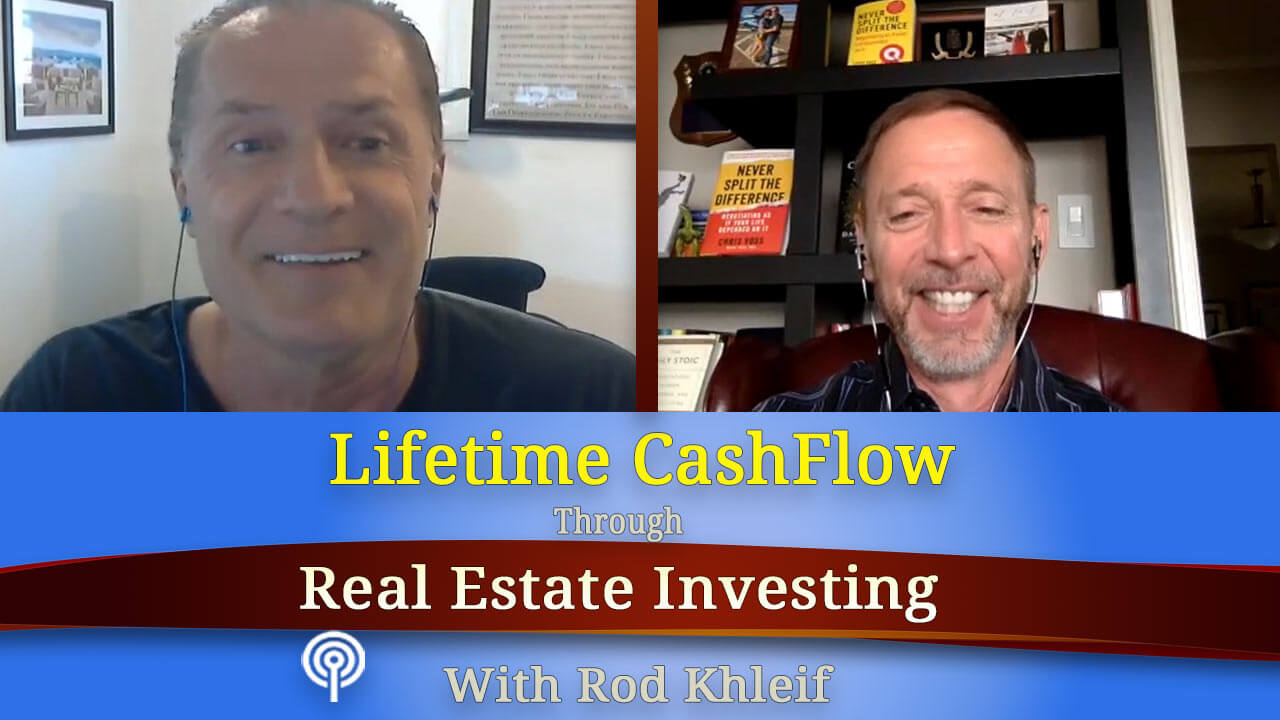
Multifamily capital raising is a critical skill for investors who want to move beyond smaller real estate deals and scale into larger apartment investments. In this episode of Multifamily Rockstars, Tim Fergestad shares how he transitioned from traditional real estate investing into multifamily and eventually made capital raising a primary focus of his business. With more than 2,000 doors involved to date, Fergestad explains how building relationships, adding value, and surrounding yourself with the right partners can create opportunities that are difficult to achieve alone.
From Single-Family Investing to Multifamily
Tim Fergestad has a PhD in neuroscience, while his wife is a physician, and neither career path provided much formal financial education. After becoming successful professionally, Fergestad began investing his money and quickly became more interested in real estate than his traditional investments. He initially invested in single-family rentals, flips, and other smaller properties, but eventually realized that scaling those investments was difficult without the right education, network, and partners.
Fergestad obtained his real estate license more than a decade ago and experimented with different strategies before deciding to pursue larger multifamily properties. Around the time of COVID, he began focusing on bigger properties with more units and on-site management. One of the biggest lessons from that transition was that investors cannot effectively wear every hat as they grow. Building a strong network and finding capable partners became essential to moving from doing everything himself to participating in larger, more scalable investments.
Building an Organic Capital Raising Strategy
For Tim Fergestad, multifamily capital raising has largely developed through relationships rather than paid advertising. He describes his investors as partners who want to invest alongside him, learn about the opportunities, or simply participate in the deals. His approach has been to share educational information, discuss what he is working on, and provide value rather than aggressively marketing investments to people he does not know.
This relationship-driven approach is especially relevant for investors who want to build a long-term capital base. Fergestad emphasizes being selective about who he partners with and has turned people away when he determined they were not a good fit. His experience illustrates that successful capital raising is not simply about finding investors with money. It is also about developing trust, communicating effectively, and creating relationships that can support multiple deals over time.
Why the Operator Matters More Than the Deal
One of the strongest lessons from the conversation is Fergestad’s emphasis on choosing the right operator. As he explains, investors often focus heavily on the property itself, but the person or team executing the business plan can have an enormous impact on the outcome. The discussion frames this as betting on the “jockey, not the horse,” because a strong operator can navigate problems within an imperfect deal, while a weak operator can damage even an attractive investment.
This lesson became particularly important as multifamily markets experienced higher interest rates, changing rents, increased competition, and refinancing challenges. Fergestad describes becoming more selective with deals and focusing on operators with strong experience in their specific markets. For passive investors evaluating multifamily opportunities, understanding the operator’s track record, market knowledge, debt strategy, and ability to execute can be just as important as analyzing the property itself.
Finding Opportunity in a Challenging Multifamily Market
The conversation also explores the opportunities created by distress in the multifamily market. Higher rates and declining property values have created challenges for owners whose loans are maturing or whose properties are worth less than expected. Some owners may need to sell, while others may need to refinance and contribute additional capital to satisfy lending requirements.
Fergestad describes one example involving a strong operator whose property was performing well but whose value had declined enough that a refinance required additional capital. Rather than selling at an unfavorable price, the ownership group structured a preferred equity opportunity that allowed new investors to contribute capital while giving the existing owner the ability to maintain the property. The example demonstrates how market stress can create alternative investment structures beyond simply buying an entire property.
Some of the opportunities discussed include:
- Preferred equity investments in existing multifamily properties
- Private credit and debt fund opportunities
- Distressed multifamily properties and refinancing situations
- Partnering with experienced operators who have strong market track records
Lessons From a Nashville Motel Conversion
Fergestad also discusses his first major multifamily deal, a Nashville motel conversion involving approximately 124 units. The property was acquired for a relatively low basis and had already been converted before Fergestad’s group purchased it, which limited the amount of additional conversion work required. The investment initially experienced significant appreciation, with an early appraisal reportedly reaching more than $20 million compared with an acquisition price of approximately $14 million.
However, the property also illustrates why multifamily investing requires ongoing risk management. The deal experienced challenges involving interest rates, rental assistance funding, property management, tenant quality, new competing properties, and increased supply in Nashville. Fergestad explains that the investment went through multiple periods of difficulty before the team addressed the problems and improved the property.
Thinking Like an Investor, Not Just an Analyst
Fergestad’s neuroscience background also influences how he evaluates investments. Rather than viewing underwriting simply as spreadsheets and calculations, he describes each investment as a hypothesis that needs to be tested. Investors should consider what needs to happen for the deal to perform as expected, what could cause it to fail, and which risks other people might be overlooking.
That critical-thinking approach is particularly valuable in multifamily investing because conditions can change after acquisition. Interest rates, rents, occupancy, competition, operating expenses, financing, and local market conditions can all affect a property’s performance. The Nashville investment demonstrates why successful investors need to continually evaluate their assumptions and adapt when circumstances change.
Exploring Other Real Estate Asset Classes
The conversation eventually expands beyond multifamily into senior housing and residential assisted living. Fergestad had previously explored senior housing because of his wife’s medical background and his own interest in the real estate opportunity. The discussion highlights how investors can consider different asset classes and business models rather than limiting themselves to traditional multifamily investing.
For investors looking to build wealth through real estate, the broader lesson is to understand how different asset classes create value and where demographic or market trends may produce long-term demand. Fergestad and Rod discuss models ranging from residential assisted living to larger senior housing facilities, emphasizing that the real estate component and the operating business can involve very different considerations.
If you want to hear the full conversation and detailed insights from Tim Fergestad on multifamily capital raising, real estate partnerships, distressed opportunities, and investing through changing market conditions, watch the podcast video or read the complete transcript below.
Multifamily Capital Raising FAQ
What Is Multifamily Capital Raising?
Multifamily capital raising is the process of securing investment capital from partners or investors to help fund multifamily real estate acquisitions and investments. Tim Fergestad explains that building relationships and providing value can help investors develop a network of people who want to invest alongside them.
Why Is Multifamily Capital Raising Important for Real Estate Investors?
Multifamily capital raising can help investors move beyond smaller real estate investments and participate in larger apartment deals. Raising capital can also allow investors to scale their portfolios while partnering with experienced operators and other investors.
How Can Real Estate Investors Raise Capital for Multifamily Deals?
Real estate investors can raise capital by building relationships with potential investment partners, educating their network, sharing information about deals, and consistently providing value. Fergestad’s approach has primarily been organic, relying on relationships rather than paid advertising to connect with investors.
How Do You Build a Network for Multifamily Capital Raising?
Building a multifamily capital raising network involves developing genuine relationships with potential investors, partners, and other real estate professionals. Sharing educational information and helping others can create trust and establish long-term relationships that may lead to investment opportunities.
What Should Investors Look for When Choosing a Multifamily Operator?
Investors should evaluate an operator’s experience, track record, market knowledge, ability to execute the business plan, and approach to managing risk. Fergestad emphasizes that investors should focus heavily on the operator because a strong operator can navigate challenges that arise within a deal.
Can Multifamily Capital Raising Create Opportunities During a Distressed Market?
Yes, challenging market conditions can create opportunities for investors with capital and experienced partners. Fergestad discusses preferred equity and private credit opportunities that can provide capital to properties facing refinancing challenges while potentially allowing existing operators to avoid selling at unfavorable prices.
What Is Preferred Equity in Multifamily Real Estate?
Preferred equity is a form of investment capital that can receive priority over common equity in the distribution of proceeds. In the example discussed by Fergestad, new investors provided capital to help an existing multifamily property refinance while receiving a preferred return and a position ahead of the common equity.
What Are the Biggest Lessons From Tim Fergestad’s Multifamily Investing Experience?
Tim Fergestad’s experience highlights the importance of building a strong network, selecting capable partners, evaluating investments critically, and remaining selective about deals. His experience also demonstrates why investors need to consider financing, market conditions, competition, property management, and the strength of the operator when evaluating multifamily investments.
00:00:37:06 – 00:00:57:05
Rod Khleif
Welcome back to Multifamily Rockstar. So as you guys know this is where we dissect our our clients deals and really go deeper on deals. And I’ve got my friend Tim Ferguson on today. We’ve done business together. And he was been a warrior for a long time. And as in over 2000 doors, he’s done so far and really good at raising capital.
00:00:57:05 – 00:00:59:24
Rod Khleif
And we’re gonna have a lot of fun today. Welcome to the show, brother.
00:01:00:01 – 00:01:01:16
Tim Fergestad
Hey, good to see you, rod. Thanks for having me.
00:01:01:18 – 00:01:19:06
Rod Khleif
Actually, welcome back to the show, because you we interviewed you years ago. So, you know, because it’s been so long, let’s just pretend that didn’t happen and just go ahead and share your story a little bit. Kind of. You know, why real estate when you got in and, you know, just kind of bring us current, you know, with some stories.
00:01:19:06 – 00:01:19:19
Rod Khleif
Sure. Yeah.
00:01:19:20 – 00:01:42:23
Tim Fergestad
For sure. Thanks. So I have a PhD in neuroscience. So I and my wife’s a physician and that’s a lot of training without any financial training. There’s not not a lot of education in that aspect in the biomedical sciences in graduate school and so forth. So once like a lot of people, a lot of people think I made a big pivot, which is kind of true.
00:01:42:23 – 00:02:01:23
Tim Fergestad
But a lot of people, when they make some money and they were successful, then they start investing and get their money working for them, which is exactly what I was doing. And I fell in love. I realized my traditional investments were pretty crappy and I fell in love with real estate, started doing a lot of real estate investing, and I struggled to scale.
00:02:01:23 – 00:02:21:11
Tim Fergestad
And that’s when I realized I needed some help and discovered you, rod, and trying to get the bigger stuff. Multifamily. I tried to do it on my own a few times with different partners remotely and really struggled. So that was many years ago now, but so. So that was great.
00:02:21:13 – 00:02:25:17
Rod Khleif
How long has it been? Just refresh my memory because I’ve got such a bad memory. Anyway.
00:02:25:19 – 00:02:45:13
Tim Fergestad
I got my license over a decade ago. I wanted to flip and hold plexus and other stuff, and I’ve done all sorts of, of that and, and single family rentals and things. But it was around Covid is when I wanted to start getting scaling up and getting some bigger ones, some bigger units on site management, things like that.
00:02:45:13 – 00:02:52:22
Tim Fergestad
And that was really hard until you, you get in the right networks and find some good partners and so forth.
00:02:52:24 – 00:02:53:12
Rod Khleif
Yeah, yeah.
00:02:53:14 – 00:03:04:15
Tim Fergestad
So your network was huge for that. It was also huge for the education and sourcing and oh thank you. I got to wear all the hats originally. Right. Which is very educational but just not scalable.
00:03:04:17 – 00:03:22:03
Rod Khleif
You know it’s interesting. You don’t even know this. We just discovered this I don’t know, about a month ago at last count. We know it’s a lot more than this. At last count, my warriors own 305,000 units that we know of, which is more than everybody else that teaches this combined. Yeah. It’s awesome. Really, really proud of that.
00:03:22:03 – 00:03:39:24
Rod Khleif
And I didn’t know you had a PhD in neuroscience. I probably or I forgotten if I did and that’s that’s crazy. And so so you effectively the biggest hat you wear is raising capital correct.
00:03:40:01 – 00:03:53:06
Tim Fergestad
Yeah. Nowadays I’d say that’s kind of my focus. I just like I said, it’s not scalable. I’m on asset management calls and property management calls most weeks and stuff, but I can’t do it all.
00:03:53:08 – 00:04:33:22
Rod Khleif
And yeah, no nobody can. It’s a team sport, you know. Right. So so let’s talk about raising capital a little bit because it’s much harder now than it ever was. I mean, you know, it was very, very easy in 21 and 22 when everything was fast and loose and now it’s more challenging. So talk about some of the strategies you utilize to, you know, meet investors, potential investors, you know, if you’re doing any marketing or if it’s all networking or if it’s all your Rolodex from your days in academia or your business, or talk about that process for you and how you’ve got that going.
00:04:33:24 – 00:04:40:17
Tim Fergestad
Okay. Well, I’d say for the most part, most of my.
00:04:40:19 – 00:05:01:19
Tim Fergestad
I call them partners, right? These are people who want to invest alongside me as I’ve grown and they want to learn about it or they don’t. Right. And I just sort of put it out there and share it. I’ve not tried to. I post stuff, right? Mostly educational stuff, trying to share what we’re up to, some of the deals and some of our offerings, the 560 and I can I can publicly share them.
00:05:01:21 – 00:05:17:03
Tim Fergestad
But yeah, I’ve not been I’ve not tried to I’ve not done paid ads or anything like that, trying to get people I don’t know into my deals per say. I’m not above that.
00:05:17:05 – 00:05:17:12
Rod Khleif
Right.
00:05:17:13 – 00:05:41:13
Tim Fergestad
Not saying that’s like a moral thing. It’s just I’m not, I’m not. I’m a boutique operator. Right? I’m not trying to to to have a big brick and mortar place with a lot of overhead and, and I have to do deals to keep the machine running. Right. I’m very selective with who I partner with and so forth. I’ve sent people away because I could just tell they weren’t a good fit for, for, for me or the investment.
00:05:41:14 – 00:05:55:01
Tim Fergestad
Right. So, so, but to your point or your question again, it’s been pretty organic. It’s it’s been a lot of trying to help other people. Right. What is that? Ziegler I forget who.
00:05:55:03 – 00:06:17:13
Rod Khleif
Help enough people get rich and. Yeah, yeah, yeah. And and that’s the right mindset is to add value in some way or another and by helping them, educating them, whatever. And I know, you know, you’ve, you’ve you’ve done it very successfully obviously. So so you know we’re in a, we’re in. Well let’s talk about let’s talk about that first deal.
00:06:17:13 – 00:06:25:01
Rod Khleif
You mentioned that you enjoy talking about that. So so talk about where is it. How many doors how long ago. Well it’s been quite a while then.
00:06:25:02 – 00:06:45:19
Tim Fergestad
Sure. Well, that actually ties into what we were just talking about too, is the neuroscience aspect. A lot of people think it’s a big switch. Right. And and a lot of people think, well, you’re an engineer, a scientific type. You’re you do the the underwriting and the analysis and the spreadsheet and it’s yes, I’m proficient with that stuff, but I don’t like to do it all the time.
00:06:45:21 – 00:07:05:21
Tim Fergestad
But what’s more important is I think it teaches you to think critically. Right? I think of every investment as like a hypothesis you’re testing, right? What has to happen in order for it to go well, what has to happen for you or what can happen that people are ignoring that could make it go south and it’s going to keep changing over time, which is like that first deal.
00:07:05:23 – 00:07:10:08
Tim Fergestad
The first deal was a Nashville motel conversion.
00:07:10:10 – 00:07:11:08
Rod Khleif
Oh, wow.
00:07:11:10 – 00:07:28:11
Tim Fergestad
Like 124 units. We’ve changed some of that because they’re tiny, right? So you can turn one into a podcast studio when you want, or one’s an exercise room and things like that to give the amenities that the residents are looking for. That one was great because like a lot of real estate, it was it was good real estate.
00:07:28:11 – 00:07:38:11
Tim Fergestad
It was purchased with a low basis. Right? Right. So I think it was 14 million, maybe 14 five or something originally.
00:07:38:11 – 00:07:42:08
Rod Khleif
Then how much you had to.
00:07:42:10 – 00:07:45:24
Tim Fergestad
Oh not much. It was it was pretty turnkey because we weren’t the ones who converted it.
00:07:46:04 – 00:07:50:04
Rod Khleif
Oh, wow. So you bought it already converted. Interesting, right? Right.
00:07:50:06 – 00:07:53:09
Tim Fergestad
And.
00:07:53:11 – 00:08:17:00
Tim Fergestad
This was 22, I think we were like, whoa. Rate started going crazy. And we decided to refine something a little more stable before things got got out of hand. And which in a different Nashville deal that we’re on together. You were preaching this to a lot of people. Not everybody listened, but the importance of fixed rate there. Right.
00:08:17:01 – 00:08:20:24
Tim Fergestad
And so so we’re partnered on a deal that that has that. And so it’s.
00:08:21:01 – 00:08:23:00
Rod Khleif
A fixed rate debt. Right. Yeah.
00:08:23:01 – 00:08:29:02
Tim Fergestad
Right. A lot of people at that same time, 2122 ran into trouble not not getting or getting floating rate.
00:08:29:05 – 00:08:42:12
Rod Khleif
By the way, this deal that Tim and I are in together had a fire 22 units, I think it was 22 units. Whole building burned to the ground. Thank God nobody died. I don’t know if you knew this. There was a kid in one of the units that wouldn’t come out. Did you hear about that? He wouldn’t come out.
00:08:42:12 – 00:08:46:11
Rod Khleif
And thank God he did, because the fire was right there. But anyway.
00:08:46:13 – 00:08:48:20
Tim Fergestad
Grandma left and said, don’t leave.
00:08:48:22 – 00:08:54:21
Rod Khleif
I don’t don’t don’t blow up from the door for anybody. And oh, thank God. But. But anyway, sorry, I digress. Please continue.
00:08:54:22 – 00:09:03:15
Tim Fergestad
That was that property. That property right is going really well. We had that homeless camp that moved.
00:09:03:21 – 00:09:14:01
Rod Khleif
Right across, right? Right across the freaking entrance to the to the to this place was a homeless camp. I mean, it looked terrible. And it took us year and a half, two years to get the hell out of there.
00:09:14:03 – 00:09:18:09
Tim Fergestad
But and I think one of them is probably the one who started to fight the fire.
00:09:18:11 – 00:09:38:23
Rod Khleif
Yeah. Yeah, probably. Who knows? Yeah. But yeah, we had lots of lots of crazy stuff happening there. It’s going I just had a call on it literally 30 minutes ago. It’s going quite well you know. Yeah. It’s it’s, it’s, you know, but you know rents got crushed there because there was so much absorption of units that the rents really had to, you know, they’ve gone down.
00:09:38:23 – 00:09:41:14
Rod Khleif
They’re not where we wanted them to be. But but it’s a beautiful.
00:09:41:16 – 00:09:43:10
Tim Fergestad
That’s the, that’s, that’s.
00:09:43:10 – 00:09:43:17
Rod Khleif
That’s the.
00:09:43:17 – 00:09:50:07
Tim Fergestad
Contract Nashville Nashville is a strong market. But the past several years they built so much. So it’s just it’s trickled down.
00:09:50:09 – 00:09:58:13
Rod Khleif
Same as same as San Antonio. Yeah. Same as San Antonio. It’s been a real struggle. But but anyway, so so did you get adjustable rate. Is that what you did back then.
00:09:58:14 – 00:10:20:08
Tim Fergestad
So so so well the original one was just well then we refinanced into something fixed. And so we’re set for a while. And then Nashville had had the Covid funding. They kept saying oh don’t worry we’ll back pay all your all the your tenants who qualified for their rent for, you know, six, nine months or more. And and we kept going.
00:10:20:09 – 00:10:35:21
Tim Fergestad
Hello. Yeah. You know, we need these. We need. And then they said, no, sorry. We’re all done, right? They promised us promise. And then they said no. So we lost out on a ton of revenue on that. When, when when that went down. So so we had we had a lending crisis and then we fixed that. And then we had a rent crisis and we fixed that.
00:10:35:21 – 00:10:59:05
Tim Fergestad
And then we then my partners wanted to switch property management and that didn’t go well. And then we had a bunch of bad tenants in there. And then we fixed that. And then it’s anyway. And then the Nashville boom, right there was there’s tons of new product, right, competing with us. And these micro units are like Japanese pricing, right.
00:10:59:06 – 00:11:14:20
Tim Fergestad
They were like the highest rents per square foot in Nashville for a while. Wow, wow. Because people hit Nashville with their guitar. Right and right. And they want they don’t know where they’re going, but they want something that’s even mid-term. Right. We can in furnished. Right. So for an extra hundred bucks a month we have these little units are easy to.
00:11:14:23 – 00:11:16:16
Rod Khleif
Oh you did all that to. Wow okay.
00:11:16:17 – 00:11:36:23
Tim Fergestad
Right. Or 100 bucks a month for to be to to go month to month right away, things like that. So the different aspects like that were nice. But then then the absorption hit and there’s all these other units out there in competition. Well that’s a and then there was detailed competition for us because people realized, whoa, look at the rents these guys are getting with these tiny units.
00:11:36:23 – 00:11:48:17
Tim Fergestad
We’re going to do that. And so like three of them in East Nashville did the same thing right by us. So that was like two years of competition for in that space. And now that’s finally dying off. But it’s been wow.
00:11:48:19 – 00:11:50:21
Rod Khleif
It’s been a roller coaster. Holy.
00:11:50:23 – 00:12:11:11
Tim Fergestad
But to the point of the basis though, that first one, I think it was 14 million purchase price. I think our first appraisal was around 20 something million like less than less than two years later. And we were like and we were the general partners were like, yeah, maybe we should just sell now, right?
00:12:11:13 – 00:12:11:19
Rod Khleif
Right.
00:12:11:22 – 00:12:18:23
Tim Fergestad
This has been good. Maybe we should sell now. And and that’s I think that’s when rates were jacked up.
00:12:19:00 – 00:12:36:13
Rod Khleif
You know, your rates started going up. Cap rate start. You know, what are they needed. And you’re looking back on that in hindsight thinking yeah, maybe that wouldn’t have been the worst move. Yeah. Well I will tell you, there’s you know, there’s a lot of upset in the market today. We were talking about it before we started recording.
00:12:36:13 – 00:12:53:00
Rod Khleif
We were trying to catch up because it’s been a good bit since we’ve spoken and you know, and I was saying, you know, this I know, I know operators with jets that have lost deals, you know, really sophisticated, sharp guys that I, that, that, that I admire. And so it’s pervasive and.
00:12:53:04 – 00:12:59:03
Tim Fergestad
Even the, even the big, big players, the institutional guys are lost portfolios of of billions.
00:12:59:06 – 00:13:19:24
Rod Khleif
Right, right right, right. So, you know, it’s it’s it’s distress. But you know, with crisis comes opportunity. And you know, and I’m excited about it. I’m actively looking for distressed multifamily. There was an asset next door to our San Antonio asset that sold for 43 million. Bank got it back was down to 28. I didn’t want to pay more than 24.
00:13:20:02 – 00:13:37:21
Rod Khleif
I didn’t want to pay more than 24. And somebody bought it. I was pissed because I really wanted it. Somebody paid between 24 and 28 because right next door to ours on the lake there. But. Right. But I mean, that’s what’s out there, you know, Merrill, the SEC attorney that you know well, and we use a lot, got six apartment complex foreclosures in one day.
00:13:37:21 – 00:13:42:16
Rod Khleif
So, I mean, that’s what’s out there right now. So there’s so, so in that vein.
00:13:42:17 – 00:13:47:15
Tim Fergestad
He’s in the catbird seat for that sort of thing as a as an owner, operator and attorney.
00:13:47:17 – 00:14:05:05
Rod Khleif
Yeah. No he’s got one of units and he lost one. He lost he lost something to he lost a trifecta of deals in Austin, which is right by San Antonio. Because, you know, again there was just too many units built. And he had a shitty lender that screwed with him. I mean, so again, it’s, it’s and I’ve got a deal that’s in trouble right now.
00:14:05:05 – 00:14:19:16
Rod Khleif
So I mean it’s it’s pervasive and I teach this stuff, you know. But but but you know so so in that vein are you, are you, you know, talking to operators that are looking at some of these discounted opportunities.
00:14:19:18 – 00:14:24:15
Tim Fergestad
Sure. Yeah. For sure. That’s it’s I’m pickier than ever on my deals.
00:14:24:16 – 00:14:25:14
Rod Khleif
You need to be need to.
00:14:25:14 – 00:14:37:09
Tim Fergestad
Be in the operator. Right. This is something that I cannot say enough. Everybody always wants to know about the deal. And I keep telling them that this is one of those things where you bet on the jockey, not the horse.
00:14:37:11 – 00:14:59:24
Rod Khleif
You can have a shitty deal and a good operator can, can, can take care of it. You can have a great deal, and a shitty operator can destroy it. So yeah, no, it’s all about the operator. And we’re seeing that now, as you know, as the water goes out, we see he was naked, you know, and and, you know, a lot of adjustable rate debt hit and then, and then, you know, and then there’s a lot of operators that have debt that’s coming due.
00:14:59:24 – 00:15:18:21
Rod Khleif
I think there’s like half a trillion in multifamily debt come and do this year. And, you know, those people either have two options. One is to sell and the others the refi. Well, the prices are way down because of the cap rates, you know, and and refinancing, you’ve got to meet debt service coverage requirements. So talk about that for a minute.
00:15:19:00 – 00:15:21:09
Rod Khleif
What you’re seeing there. We talked about that briefly.
00:15:21:12 – 00:15:31:20
Tim Fergestad
Yeah. Yeah that’s that’s an opportunity in my eyes for some people right. To struggle for the for some people. And and then there’s people in the middle right.
00:15:31:22 – 00:15:51:21
Tim Fergestad
Some somebody partnered with on a few deals a very strong operator. And they’re focused in their market. Really good market. And one of their deals, they could sell it now, but they wouldn’t get a really good return. And so they’re like, let’s do a refi, we’ll do a cash. And they have to do a little bit of a cash in refi.
00:15:51:23 – 00:16:24:21
Tim Fergestad
Which they’re giving pref equity position for that and a 15% preferred return. And just to explain this real quick to to viewers or listeners, you need to refinance alone instead of just getting a new loan, the value of the properties down from where they expected. So they have to put in a little more cash to get the to to get the loan that they want, and then they can make payments and cash flow and hit all their other criteria, and they’re confident enough in where it’s at.
00:16:24:21 – 00:16:48:16
Tim Fergestad
It’s like 95% occupancy. It’s it’s the renovations have already been done. So so again, great track record dozen deals in this market. They’re they’re willing to give up. And the the owner operator is also the biggest investor in this deal. So he’s willing to give up his upside later to to to not have to sell this deal now.
00:16:48:16 – 00:16:56:08
Tim Fergestad
So that’s an opportunity for new investors to come into an already operating deal. It’s like a $2 million.
00:16:56:10 – 00:17:12:24
Tim Fergestad
Raise. So after the bank gets paid it’s like a $6 million loan. It just got a $10 million appraisal. So there’s 4 million in equity there. And you get it. That’s that’s a pretty strong cushion for. So after the long gets paid back prefect gets paid back and there’s enough to pay you back.
00:17:13:01 – 00:17:30:17
Rod Khleif
What are you saying. What are you saying. What he’s saying in the sequence of payback when you when you put in pref equity like that, if that’s what you call it. Or sometimes it’s done as a note, then it gets paid right behind the primary debt. So it’s, you know, ahead of the equity that investors have put in.
00:17:30:17 – 00:17:31:04
Rod Khleif
So it’s.
00:17:31:04 – 00:17:32:07
Tim Fergestad
A very common equity.
00:17:32:08 – 00:17:54:09
Rod Khleif
The previous the common right the previous common. So it’s a very secure investment. We did that on a couple of my deals that we had to raise some money for deals that you’re familiar with from from our past. We did that or tried to do it on some deals and effectively in some cases ineffective in others. But so so so that’s what.
00:17:54:11 – 00:18:19:18
Tim Fergestad
That the. Yeah. And the market right now that’s one of the examples of the opportunities available right now. Yeah. Is pref equity. I’ve also done some private credit to we have a debt fund which it’s just a feeder fund with DLP capital. So we’re not originating loans ourselves. But they have a $500,000 minimum to get into theirs. And we let our investors get in with only 25,000.
00:18:19:20 – 00:18:34:11
Tim Fergestad
So if they’re not ready for one of our other deals, they don’t have enough yet. They can put it into that. And it’s liquid. There’s no lock up period. Like most debt funds have a 12 month lockup period, like a CD or something. And this doesn’t. So it allows you to.
00:18:34:12 – 00:18:36:11
Rod Khleif
6506 seed deal.
00:18:36:11 – 00:18:36:22
Tim Fergestad
Yep.
00:18:36:23 – 00:18:59:15
Rod Khleif
Yep. Okay okay. Yeah. By the way yeah. In a 506 C that means you have to be accredited, meaning you have an income of 200,000 a year or 300,000 if you married jointly filing or a net worth of $1 million without your primary residence. And then you can advertise, you can talk about it like he just did. You know, when I first got started in the business, they didn’t have that.
00:18:59:16 – 00:19:13:23
Rod Khleif
They had what was called the three touch rule. And you had to have talked to somebody three times before you could talk about a deal. And now that’s changed with the Dodd-Frank act. And and so, you know, that was that original was called a 506 be kind of friends and family.
00:19:14:01 – 00:19:18:05
Tim Fergestad
You had to know somebody. You had to to get into those five investments.
00:19:18:09 – 00:19:31:01
Rod Khleif
Exactly. So so that’s what you’re doing right now. You know, I’m in senior housing. I’m very excited about that. We’re doing our eighth facility. The returns look insane. Have you looked at that at all? Are you sticking with multifamily?
00:19:31:01 – 00:19:37:15
Tim Fergestad
I have I looked at that pre-COVID. I looked heavily into that. More of the residential model. I have friends who have sort of the.
00:19:37:19 – 00:19:56:02
Rod Khleif
Oh, you mean like houses? Like a house with. Yeah. Okay. That’s that’s like Jean Jean Guarino used to teach that residential assisted living. Raff Academy, his daughter is doing it now that he passed from Covid. He’s he was a beautiful guy. That was very sad, but but yeah. No, that’s. I have a friend in Sacramento that’s got six of those and she’s killing it.
00:19:56:03 – 00:20:13:00
Rod Khleif
I mean, she was in Tony Robbins platinum partnership with me, which was 100 grand at the time. So she was making a lot of money. But, you know, that’s a cool model too. But I’m actually teaching it now. I’m going to be teaching senior housing. And, you know, I mean, there’s 10,000 people a day turning 80 in this country, and they are for the next 20 years.
00:20:13:01 – 00:20:26:21
Rod Khleif
I mean, I mean, hello. I mean, talk about a talk about a tidal wave of need. They call it the silver nami, as you know. But so anyway, I’m very interested in that asset class, and I’m teaching it to the Warriors now as well. So yeah.
00:20:26:21 – 00:20:49:05
Tim Fergestad
So I was very excited about that for a long time. My wife as a physician, the elderly are her favorite patient population. So she was she I came at it from a real estate play and she came out and she’s like, yeah, let’s do this. Right. So I actually got licensed as a caregiver. I have friends who are managers and like the big box ones, the residential as well as I have, like a buddy who built.
00:20:49:07 – 00:21:02:20
Tim Fergestad
The beehive, it’s a, it’s a like a franchise model sort of thing where you get the sort of intermediate. It’s still commercial because in most states, when you’re over a certain number of beds or residents, it’s commercial and you have to have commercial kitchens and all this sort of stuff, but you still just have to have one manager.
00:21:02:21 – 00:21:11:15
Tim Fergestad
Right. And the caregiver ratios are really kind of the important thing in mind. Right. But better. Yeah. Better care, better food. Better.
00:21:11:17 – 00:21:28:23
Rod Khleif
Yeah. You know, I got licensed at an administrator here in Florida two back in 2007. But you know what happened to me in 2008? I got my ass handed to me, so I backed off. I put a team together. I got the domain name senior housing complex. I mean, yeah, I was going to do assisted living back then because I love the elderly and I believe you need to, to get into this business.
00:21:28:23 – 00:21:44:09
Rod Khleif
But but yeah. No, I’m teaching it now as well. And I’m going to actually probably do a boot camp on it here in the near future. But very excited about it. And like I said, doing my eighth facility going to the National conference here in Chicago is the next one will be the third one I’ve been to. It’s the Nic conference.
00:21:44:09 – 00:21:49:20
Rod Khleif
Don’t don’t ask me what it stands for because I don’t remember, but that’s what that’s the senior housing thing. But okay. But anyway.
00:21:49:23 – 00:21:54:17
Tim Fergestad
Are you are you are you going to you going to teach people sort of the different models to get into it?
00:21:54:19 – 00:22:17:08
Rod Khleif
I will I’m thinking I’m not sure yet. I may teach the RAF model that residential assisted living as well and provide and provide manuals for doing that because that’s operational. But but what I’m doing and what I’m teaching as well is the is really the real estate play. You buy the real estate and you partner with an operator, but you got to be very selective in selecting the operator.
00:22:17:08 – 00:22:37:11
Rod Khleif
And so, you know, and I’m going to teach that selection process, teach what’s involved, teach the underwriting, which is quite a bit more complex than multifamily, because, you know, it can depend on, you know, what they need help with, called activities of daily living. It packs the pricing and it can be complicated. And, you know, your payroll is a big expense.
00:22:37:11 – 00:23:07:00
Rod Khleif
And that ramps as you fill the facility. So there’s a lot to it. But but it’s exciting and and and so you know I’m kind of you know even on the podcast here, I’ve got somebody coming in to interview live here today and we’re doing other asset classes like this. This lady does mid term rentals. We’ve talked about industrial flex space, mobile home parks, self-storage, senior housing you know and so you know more of an opportunistic yeah.
00:23:07:02 – 00:23:17:20
Rod Khleif
You know foot forward for the podcast for me and really in general and for the Warriors as well. So I’m kind of updating you because spent a long time since we talked as well. But.
00:23:17:24 – 00:23:23:24
Tim Fergestad
Well so great. That’s, that’s the you get to do well while doing good. Right. And that’s yeah.
00:23:24:02 – 00:23:34:07
Rod Khleif
Helping people out any better than that doesn’t get any better than that. Yeah. We’re doing assisted living in memory care. I’m not doing the skilled nursing because that’s almost like a hospital. Right, right.
00:23:34:08 – 00:23:37:02
Tim Fergestad
But but memory care is I think, essential. I mean.
00:23:37:03 – 00:23:39:22
Rod Khleif
Oh yeah. And it’s so sad. Oh my God, it’s so sad. Jesus. Well.
00:23:39:22 – 00:23:46:05
Tim Fergestad
There’s different degrees of it, frankly. We all have we all have memory issues. And so if you if you’re.
00:23:46:07 – 00:24:00:12
Rod Khleif
Joking with somebody about it today I was joking with somebody today saying I’m going to end up in one of my facilities because I got the worst fricking memory on the planet. But yeah, but well, listen, brother, if somebody wants to reach out to you, how could they do that?
00:24:00:13 – 00:24:03:16
Tim Fergestad
Yeah, yeah, Tim Ferguson is pretty good. Okay.
00:24:03:17 – 00:24:31:02
Rod Khleif
Or Tim Ferguson had spelled Fergie. Okay, perfect. Okay. Well, by the way, if you’re interested in the warrior program. Hello. I didn’t even do a plug for it. Text the word crush to 72345. That’s how you apply. You text crush to 72345. We check you out, you check us out. And like I said, we now have the most successful training program on the planet more than everybody else combined, which is just blows my mind and I’m super proud of.
00:24:31:03 – 00:24:34:22
Rod Khleif
But Tim, thanks for coming on the show, brother. It was great to see you, man.
00:24:34:23 – 00:24:36:12
Tim Fergestad
Yeah, yeah. Thanks, rod. Thanks for having me.
00:24:36:12 – 00:24:37:23
All right, all right. Take care.