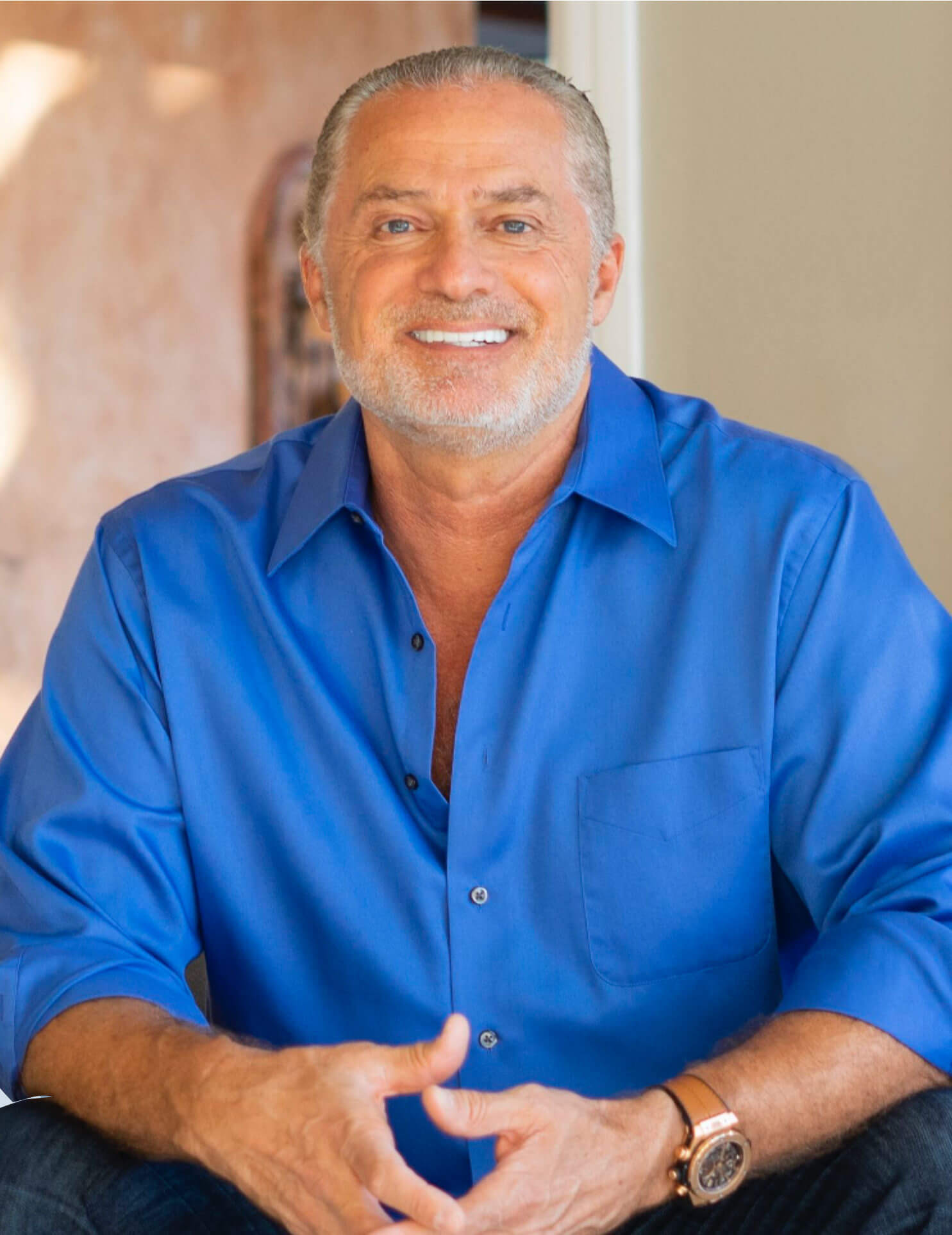
LP Investing in Real Estate: Lessons from Sam Silverman
For many real estate investors, building wealth through passive investing can be just as powerful as actively managing properties. In this episode of Lifetime Cash Flow Through Real Estate Investing, Sam Silverman shares his journey from sales professional and single-family investor to investing in more than 90 deals as a limited partner. Along the way, he developed a disciplined framework for evaluating operators, raising capital, and identifying opportunities across multiple asset classes.
This conversation provides valuable insight into LP Investing in Real Estate, including how investors can reduce risk, evaluate sponsors, and position themselves for long-term success. Sam also discusses why he has expanded beyond traditional real estate into private credit and business acquisitions while still applying the same investment principles.
Why Sam Silverman Transitioned from Single Family Homes to LP Investing
Like many investors, Sam began by purchasing single-family rental properties. While the portfolio generated cash flow, he realized the operational effort required to manage multiple homes was not aligned with his long-term goals. The amount of time, attention, and management needed for each property outweighed the returns he was earning compared to his professional career.
That realization led him to explore LP Investing in Real Estate. By investing passively in multifamily properties, mobile home parks, self-storage facilities, debt funds, and other asset classes, he was able to gain exposure to different investment strategies while learning from experienced operators. This approach allowed him to diversify risk and discover which investment models best matched his interests and strengths.
How to Vet Real Estate Operators as a Limited Partner
One of the most valuable parts of the discussion centers on operator due diligence. After investing in more than 90 deals, Sam has developed a process for evaluating sponsors beyond simply reviewing financial projections.
Key factors he considers include:
- Track record and experience in similar projects
- Long-term vision and investment philosophy
- Professional reputation and references
- Ability to navigate challenges during market downturns
- Quality of communication and investor transparency
Sam emphasizes that investors should not rely solely on references provided by operators. Instead, he recommends leveraging platforms like LinkedIn to identify mutual connections and conduct independent background checks. This type of backchannel research often provides a more accurate picture of an operator’s character, competence, and reliability.
Building Trust and Raising Capital
The conversation also explores capital raising strategies and how professionals can leverage their existing credibility. Sam believes many investors overlook the value of their current network and professional reputation.
Whether someone is a surgeon, technology executive, business owner, or sales professional, they already possess trust and authority within a specific community. By partnering with experienced operators and maintaining strong relationships, investors can create opportunities to raise capital while providing value to their network.
LinkedIn has become a particularly powerful platform for Sam’s business development efforts. He discusses how targeted outreach, relationship building, and consistent networking can create meaningful opportunities for both investors and operators.
Expanding Beyond Real Estate Through Business Acquisitions
While LP Investing in Real Estate remains a core part of Sam’s background, he has increasingly focused on acquiring and scaling businesses. One of his primary ventures involves acquiring paving companies through a roll-up strategy.
The opportunity stems from several market dynamics:
- Highly fragmented industry structure
- Aging business owners approaching retirement
- Limited succession planning
- Attractive acquisition valuations
- Potential for operational efficiencies through consolidation
Rather than making drastic changes after acquiring companies, Sam focuses on improving back-office operations, reducing administrative burdens, and supporting employees through the transition process. This people-first approach helps preserve company culture while creating opportunities for growth.
Private Credit and Alternative Investment Opportunities
Another area of focus for Sam is private credit. Through his lending platform, he provides capital to small businesses that may not qualify for traditional financing.
Unlike conventional loans, these investments are structured around purchasing future revenue streams at a discount. This model allows investors to generate attractive returns while maintaining relatively short repayment cycles. Sam explains how underwriting, collections, and risk management play critical roles in creating a sustainable private credit operation.
For investors seeking diversification, private credit represents an alternative source of yield that is not directly tied to real estate market performance.
About Sam Silverman
Sam Silverman is the founder of Silverman Capital and an experienced investor with exposure to more than 90 passive investment opportunities across multiple asset classes. His background includes sales leadership, capital raising, private credit, business acquisitions, and real estate investing. Today, he focuses on acquiring and scaling paving companies while continuing to evaluate opportunities in private credit and alternative investments.
If you want to hear the full conversation and detailed insights, watch the podcast video or read the complete transcript below.
FAQ About LP Investing in Real Estate
What Is LP Investing in Real Estate?
LP Investing in Real Estate refers to investing as a limited partner in a real estate syndication, fund, or partnership. Limited partners provide capital to a deal while the general partner manages acquisitions, operations, financing, and execution. This structure allows investors to earn passive income and potential appreciation without managing properties themselves.
How Does LP Investing in Real Estate Work?
LP Investing in Real Estate works by pooling investor capital to acquire real estate assets such as multifamily apartments, self-storage facilities, mobile home parks, industrial properties, or other commercial real estate. Limited partners receive a share of the profits based on their investment while the general partner handles day-to-day operations and business decisions.
What Are the Benefits of LP Investing in Real Estate?
LP Investing in Real Estate offers passive income potential, portfolio diversification, professional management, and access to larger institutional-quality properties. Investors can participate in real estate opportunities that may be difficult to acquire individually while avoiding the responsibilities of property management.
What Types of Properties Can Limited Partners Invest In?
Limited partners can invest in a wide variety of real estate asset classes, including multifamily apartments, mobile home parks, self-storage facilities, industrial properties, office buildings, retail centers, senior housing, and mixed-use developments. Many investors diversify across multiple asset types to reduce risk.
How Do You Vet a Real Estate Operator Before Investing?
Investors should evaluate an operator’s track record, experience, communication style, market expertise, and past performance. It is also important to review references, speak with current investors, analyze previous deals, and understand how the operator manages challenges during market downturns.
What Questions Should You Ask Before Becoming a Limited Partner?
Investors should ask about the sponsor’s experience, business plan, projected returns, fee structure, financing strategy, risk factors, market conditions, and communication process. Understanding how the operator plans to execute the investment strategy can help investors make informed decisions.
What Risks Are Associated With LP Investing in Real Estate?
Like any investment, LP Investing in Real Estate carries risks including market fluctuations, economic downturns, interest rate changes, occupancy challenges, operational issues, and sponsor execution risk. Investors should carefully review offering documents and understand the risks before investing.
How Much Money Do You Need to Start LP Investing in Real Estate?
Minimum investment amounts vary by sponsor and deal. Many real estate syndications require investments ranging from $25,000 to $100,000, although some funds and platforms may offer lower minimums. Investors should evaluate opportunities based on their financial goals and risk tolerance.
Can LP Investing in Real Estate Generate Passive Income?
Yes, many real estate syndications distribute cash flow to limited partners throughout the holding period. While distributions are not guaranteed, successful investments can provide passive income along with potential profits when the property is sold or refinanced.
Is LP Investing in Real Estate Better Than Owning Rental Properties?
The answer depends on an investor’s goals. LP Investing in Real Estate offers a passive approach with professional management, while direct ownership provides greater control but requires more time and operational involvement. Many investors use both strategies as part of a diversified real estate portfolio.
How Can Investors Diversify Through LP Investing in Real Estate?
Investors can diversify by allocating capital across different markets, operators, property types, and investment strategies. A diversified portfolio may include multifamily, self-storage, mobile home parks, industrial assets, and private credit investments to reduce concentration risk.
What Should Investors Look for in a Real Estate Syndication?
A strong real estate syndication typically includes an experienced sponsor, a well-defined business plan, conservative underwriting assumptions, attractive market fundamentals, clear investor communication, and alignment of interests between the general partner and limited partners.
00;00;38;22 – 00;00;56;14
Rod Khleif
Welcome back to lifetime cash Flow through real estate investing. I’m Rod Khleif and I am thrilled you’re here. And I know you’re going to get tremendous value from the very interesting gentleman I’m interviewing today, because we’re going to cover all sorts of things. Investing as a limited partner, vetting the operators as a limited partner, which is a big deal right now.
00;00;56;14 – 00;01;17;23
Rod Khleif
Raising money. He’s doing roll ups, doing private private credit for small businesses. And he’s been involved in multiple asset classes. So we’re really going to have a lot of fun today. His name Sam Silverman and he’s Silverman Capital. Oh welcome to show brother. Yeah. Thanks for having me on. Absolutely. And tell us how you evolved into all of these different types of business models.
00;01;17;23 – 00;01;27;04
Rod Khleif
And I’d love to hear if you have a team doing this, if you have different team members doing these different aspects of what you do, but give us give us your background. Yeah. So I.
00;01;27;07 – 00;01;48;05
Sam Silverman
Started out of college in sales, so I ran a you know, I started out cold calling. I think of the entry level sales, super small startup type place where you are boiler room type atmosphere. And it was like a real big, you know, real very, very techie type company. So, you know, like most people graduated college and had no clue what I wanted to do.
00;01;48;06 – 00;01;53;00
Sam Silverman
So my thought was, let me go learn some actual tangible skills and figure out a way to make some cash.
00;01;53;01 – 00;02;04;05
Rod Khleif
So let me stop you for one second, guys. If there was any skill that you could learn to be a success in business and in life, it is sales experience. So please continue.
00;02;04;05 – 00;02;06;10
Sam Silverman
100%. Whatever it is that you go do.
00;02;06;11 – 00;02;07;09
Rod Khleif
You got to sell?
00;02;07;12 – 00;02;24;24
Sam Silverman
Knowing sales is the lifeblood of any organization, right? If you have a great idea, a great operations, you have to be able to go sell. Otherwise there’s no revenue coming in. So was in sales for a while. And in sales is a great path because it’s meritocracy. So what that means is that if I perform well, I can make more money really quickly.
00;02;24;25 – 00;02;51;29
Sam Silverman
Spending come doubled every year for for a handful of years. In turn, I got into real estate, right, in terms of buying single family homes. And I was going one by one. And what I realized quickly, at least for me, was that the operational lift to go do each single family home to go make 2 or $300 a month per home, was a big trade off relative to what I can earn my day job, so that head space mindshare operational lift wasn’t worth it.
00;02;51;29 – 00;03;07;26
Sam Silverman
I sold the entire portfolio itself. All think I had probably ten homes at the time that Zillow, and they were so buying homes and got into investing as an LP, so went on the whole podcast circuit, listened to every different operator I found, and it was only my own money. So I was just throwing, you know, different places, right?
00;03;07;27 – 00;03;15;21
Sam Silverman
Multifamily, mobile, home park, storage, debt, write everything you can think of from real estate to go get a feel for what it was that I liked.
00;03;15;23 – 00;03;18;09
Rod Khleif
And what did you like?
00;03;18;11 – 00;03;37;25
Sam Silverman
I liked the deal side of it. I like the operational side less so in terms of what the role itself could be. So what I realized, too, was that there are different buckets you play in terms of the roles and function on the deals. So from there pivoted to going out and partnering in groups. I worked with right to go bring in capital to their projects, right?
00;03;37;26 – 00;03;56;22
Sam Silverman
Whether through a co-sponsor agreement, whether through a fund to fund. Right. And it’s sort of working with them on their deals from there. Got very, very involved in the compelling 95 to 100 years as an LP at this point in the last 7 or 8 years. And, you know, in turn, you learn a lot, right, in terms of what’s good, what’s bad, and what you like doing.
00;03;56;22 – 00;04;07;22
Sam Silverman
And I’ve since pivoted from, you know, we used to focus really heavily in real estate. It’s actually much more so now in private credit and actually a roll up in the asphalt paving space. So big pivot right?
00;04;07;23 – 00;04;27;19
Rod Khleif
Right, right. Yeah. We were just talking before we started recording. One of my warriors, Tyson I know was raising money for your paving roll up because I recognized you said paving and and I know he was doing he was part of a roll up. He’s also doing medical as well. But so so so right now you’ve got all these different.
00;04;27;22 – 00;04;31;06
Rod Khleif
Are you still investing as an LP as well or are you backing away from that now?
00;04;31;06 – 00;04;48;03
Sam Silverman
So I definitely keep a lot more cash on hand. Right. When you run operating companies, you need a lot more cash in terms of what is your working on you to come in the build face, right where in the build phase, I’m sure you may have experienced this to you. Go through a lift in which you’re making far less money than you will longer term on what it is you’re working on.
00;04;48;09 – 00;05;03;08
Sam Silverman
So we keep a lot more cash on hand in paving. You have things that come up like bonding, or you can move $4 million in your balance sheet of a company recently so we can go secure government contracts so we keep way more cash in hand. So along with an answer of saying yes, but more so in my own deals right now.
00;05;03;11 – 00;05;25;17
Rod Khleif
Gotcha, gotcha. So you invested in over 90 deals as an LP. Talk about a little bit about your vetting process. And, you know, I’m sure you have. And I know you had ups and downs. You may have lost capital, a lot of operators in the multifamily space or in in struggling right now. And there’s incredible opportunity as a result of that.
00;05;25;17 – 00;05;29;21
Rod Khleif
But talk a little bit about how you vetted operators.
00;05;29;22 – 00;05;48;06
Sam Silverman
Yeah. So at first it was much more. So just gut feel when it was your own capital there. Right. So you kind of look at the process that you go through, at least that I did first, park my own cash with them, see the experience. Right. In terms of communication, in terms of how they’re performing versus their targets from there, right, there are some opportunities to go help be a bigger part of the team.
00;05;48;12 – 00;06;02;10
Sam Silverman
Right. So I’d say kind of looking back on it, I think now there’s a lot of things you look for, right? Number one is always the people they are working with. Sure. I think in any deal writing the deal is great. Over a five year period, there’ll be a lot of times that deal in which things don’t go exactly as planned.
00;06;02;12 – 00;06;02;20
Sam Silverman
Right.
00;06;02;22 – 00;06;07;20
Rod Khleif
So so when you’re talking about looking at the people, what sorts of things do you look at? Let’s be a little more granular.
00;06;07;21 – 00;06;30;21
Sam Silverman
Yeah. So one obviously is track record, right. In terms of what is that. They have done a similar type experience, what their background is. I’d see also what they gave up to go do something right. For example, if someone left a, you know, really high end corporate role making a half million, million dollars a year, I likely know that they’re a barrier for success of what they want to deliver on is very, you know, a much higher bar.
00;06;30;23 – 00;06;45;07
Sam Silverman
I see all the timeline in which they look at. So for example, right. Some people look at things in a six month to two year window. So we look at things in 30 or 40 years in terms of how does they want to operate. So I think in terms of understanding someone’s time horizon for their company itself matters a lot.
00;06;45;08 – 00;07;05;14
Sam Silverman
And what I mean by that is that I’m 31 and we look this in everything that we do is met with a 30 year lens. So for us, it may hurt us financially in the short term. Well, long term in the next 30 years, right? We think we think we’ll do pretty well. So in turn, I think you kind of operate differently if you have a long term lens on how it is that you want to go, you know, be in business what you want.
00;07;05;16 – 00;07;08;11
Sam Silverman
You want to be known for all those things.
00;07;08;13 – 00;07;12;23
Rod Khleif
Interesting. Well, you’re an anomaly. You’re obviously very analytical as well. Yes.
00;07;12;25 – 00;07;13;25
Sam Silverman
Yeah, definitely.
00;07;13;27 – 00;07;26;04
Rod Khleif
A lot of salespeople aren’t, you know, they’re not great communicators. You’re a great communicator, but you’re also analytical. So you’re a bit of a of a unicorn in that regard. Usually it’s one or the other, you know. Would you call yourself an introvert or an extrovert?
00;07;26;04 – 00;07;27;26
Sam Silverman
I think an extrovert introvert.
00;07;27;27 – 00;07;33;08
Rod Khleif
Yeah. Yeah, yeah. Okay. I’ve heard that too. Yeah. You get energy from being alone or being around people.
00;07;33;10 – 00;07;38;15
Sam Silverman
From the right people. Yes. Otherwise I’m totally comfortable being nice. Yeah.
00;07;38;20 – 00;07;58;15
Rod Khleif
Yeah, yeah, you’re definitely unique in that regard. You know, some of the best partnerships I’ve seen or, you know, somebody an extrovert, a mouthpiece like myself here with, you know, a CPA, which is, you know, previous relationship I had and now I’m with a, you know, finance expert. But yeah, those are those are some of the matches I see in my warrior program that work very, very well.
00;07;58;18 – 00;08;21;13
Rod Khleif
So so you’re doing you’re doing multiple things. So as far as the vetting goes, by the way guys in my Linktree Rod’s links, I’ve got a book on the questions you should ask before you invest with a GP. It’s free. You know at the very least utilize that. And like Sam said, you know, trust your gut to you kind of alluded to to, you know, meeting them personally and getting a feel for them.
00;08;21;13 – 00;08;31;06
Rod Khleif
And I place a lot of weight on, on, you know, the gut feel because your brain is so powerful to pick up on things that you’re not even consciously aware of. And so.
00;08;31;09 – 00;08;48;24
Sam Silverman
There’s also the right now, if you look at social media to it’s so you hop on LinkedIn like I’m a big, big believer in LinkedIn and I go pull up your page. For example. I’m sure you have hundred people who are mutual connections there. It’s very easy to go ping a few people and go back to know someone now as well in terms of their experience, right?
00;08;48;25 – 00;08;55;04
Sam Silverman
So you can do things like that, that take a few minutes to go do and get meaningful references yourself. The reference to someone.
00;08;55;04 – 00;08;55;18
Rod Khleif
Gives a great.
00;08;55;18 – 00;09;01;02
Sam Silverman
Idea, right? The reference is that if I ask you, rod, I’m like, hey, I’m looking at this deal with you. Give me some of your references.
00;09;01;03 – 00;09;07;05
Rod Khleif
Yeah, well, they’re going to be the people that hate me, obviously. Right, exactly. I’m being sarcastic. Yeah. So, no, that’s a really good idea.
00;09;07;08 – 00;09;17;27
Sam Silverman
Backchannel. Someone else I think is really powerful, too. And it also helps you have talking points that you can go address that person as well, that you don’t know, that they don’t know you’re going to go ask. You can kind of go have better points to go talk through that person.
00;09;17;28 – 00;09;38;07
Rod Khleif
No, that’s good advice. That’s very good advice. So, you’re obviously raising money. You’ve raised a lot of money. Talk about that a little bit. Talk about some of the things you’ve done to be congruent. Incredible. When you’re going out there and raising money and talk about some of the some of the strategies utilized to build reach in that regard.
00;09;38;13 – 00;10;01;12
Sam Silverman
Yeah. So again, like we are huge on LinkedIn okay. My background in tech, if you look at my function, what my team used to do, they were all prospectors and have a big team of inside sales folks. Their sole job was go find look like companies to our customers. Go find that role in persona of who it is that we target to go sell to and go book conversations with them, use LinkedIn, use cold call, use email, use all those things.
00;10;01;12 – 00;10;11;11
Sam Silverman
So in our end, LinkedIn is fantastic. I think if you’re starting out figuring out who it is. Do you have access to so say for example, one of your students is a surgeon, and for them they.
00;10;11;11 – 00;10;13;24
Rod Khleif
Have a great example because that’s Tyson. Yeah.
00;10;13;24 – 00;10;33;04
Sam Silverman
Yeah yeah. Like like Tyson is on an awesome job. Right. So think of Tyson right where he has massive credibility by being a successful orthopedic surgeon. Right. And in turn, his people in his space know his background. Right. They trust him there. So in turn, Tyson goes and partners with groups who he feels confident in. He leverages their track record and their history.
00;10;33;05 – 00;10;52;27
Sam Silverman
He also leverages his background, right, that if Joe, who worked in the air next to me, knows me as a credible orthopedic surgeon who does his job, who is respectful, who does all these things to incredible their that trust that in turn will carry over to this potentially to what I was saying. Hey, you know what? This is something you can relate to them very well, right?
00;10;52;28 – 00;10;55;25
Sam Silverman
Right. That for me it was all people in sales and tech.
00;10;55;26 – 00;11;11;04
Rod Khleif
Okay. Because that’s where you went. Okay. Yeah. Because not everybody’s a surgeon and not everybody’s in sales in Texas. You’ve got to kind of look at where you’re at. We get a lot of it people though I will say that in my warrior program, tons of IT people, but business owners as well. Maybe maybe you’re a business owner.
00;11;11;06 – 00;11;38;03
Rod Khleif
So yeah. So that’s that’s good now. And you like LinkedIn. We’re doing that as well actually right now very successfully we’re getting lookalike lists and and reaching out and getting appointments set from our LinkedIn outreach. That’s going very well too. Glad to hear that it’s working for you. So okay, so that’s on the raising money front. And then on these roll ups that you’re doing roll up rather that you’re doing because I know he’s involved in some other ones.
00;11;38;03 – 00;11;51;29
Rod Khleif
You’re doing paving companies. Talk about what that looks like to you. Why paving companies and, and, you know, explain the roll up and explain to and what you plan to do there, please.
00;11;52;00 – 00;12;12;23
Sam Silverman
Yeah. So my partner and I, Chris, looked at probably 50 to 100 industries before we landed on paving. And what we wanted to figure out was where you have fragmentation. And what that means is that companies that are disparate, like you think of E-Com, you think of Amazon, right? In paving. There aren’t those massive companies that own the entire market itself.
00;12;12;24 – 00;12;29;13
Rod Khleif
Similar to what what’s his face did with Waste Management? He’s a great roll up example. You know who I’m talking about, Ian? No, no, no. Oh, God. He did the same thing with blockbuster. Wayne. Okay, so he did. He did a roll up on video stores with blockbuster, and he also did a roll up on trash companies with waste.
00;12;29;15 – 00;12;36;08
Rod Khleif
Sorry. Interrupt, but no no no, no, no, I’m known for it. I have four and a half stars on iTunes because I interrupt too much. Shut up and let your guest talk. Anyway.
00;12;36;09 – 00;12;46;22
Sam Silverman
There’s just a big one to that sold guild garage. You really? Two years? They made 32. Give or take acquisitions. Well, sold it for 800 plus million dollars in two years.
00;12;46;22 – 00;12;49;01
Rod Khleif
No kidding. Yeah. These these were garage door companies.
00;12;49;03 – 00;12;49;27
Sam Silverman
Garage door companies?
00;12;49;28 – 00;13;00;22
Rod Khleif
Yeah. Interesting. So. So when you say disparate, this is what we’re talking about. There’s all sorts of different companies. Like there are an HVAC. Totally. And yeah okay.
00;13;00;23 – 00;13;24;20
Sam Silverman
Like we saw it I mean, for example, working a list for now in Texas of their 700 plus companies, just in Texas, they do over $10 million of revenue, just impeaching each just in paving, just in Texas. So and that’s part of the list as well. So fragmented in terms of these are non-institutional operated mom and pop typically usually first time owner whose own that company their entire life.
00;13;24;22 – 00;13;43;03
Sam Silverman
Right. And the average profile of the person who’s owning a paving company, they’re between 55 and 72 years old. And for them, they usually have between an eighth and 10th grade education, some more, some less. Right. But they are people who have like they are workers, they are great people. They build awesome businesses.
00;13;43;04 – 00;13;54;01
Rod Khleif
Salt of the earth, salt of the earth can fix anything. You know, I’ve got a guy. You probably saw my guy walking around here. He’s he can pave. He can do concrete. He can do electrical, plumbing. But they’re salt of the earth guys. Yeah.
00;13;54;03 – 00;14;10;29
Sam Silverman
Yeah, some of these folks do, like, they’ve made millions of dollars for decades. And like, these are awesome businesses. So the issue is that when that happens is that if dad’s 60 and the son is now 30, and the son grew up with the dad making a few million dollars a year, they likely have to work as hard as dad to go work in the paving field themselves to.
00;14;11;01 – 00;14;25;22
Sam Silverman
So they wanted to go to college. They wanted to go have a white collar job. So there that creates an opportunity where dad has now built a great company and he wants to go take a step back. And that can be a few different things to step back could be, you know, I love my crew. I want to keep working in the field.
00;14;25;22 – 00;14;38;11
Sam Silverman
I don’t want to go order equipment. I don’t want to go have to deal with insurance. I don’t want to go call the city for bonding. I don’t have to go to a county and payroll. So that creates an opportunity for us to go in and acquire companies that are really fair price, and for them help that transition.
00;14;38;11 – 00;14;48;28
Sam Silverman
More importantly, go take care of their crew. I think for us, what really differentiates us is that ours, the family owned business, you know, two of our four partners, the father and son team Heppell, don’t pay income in the last eight plus years.
00;14;48;29 – 00;14;49;16
Rod Khleif
They have.
00;14;49;17 – 00;14;50;01
Sam Silverman
They have.
00;14;50;02 – 00;14;52;29
Rod Khleif
Yeah. So they bring that experience. So you’ve got three partners. The four.
00;14;52;29 – 00;15;05;00
Sam Silverman
Of you. Three partners? Yeah. Myself, my partner Chris, who’s our CFO. We started it. We actually went through a merger and process now with Jeff and Jeffrey, they’ve built their own paving company the last eight years. Just been paying for 30 plus years.
00;15;05;00 – 00;15;21;02
Rod Khleif
So fantastic partners to have for this. Yeah. It’s always the best way to do it is to get people that really forgotten more about it than you’ll ever know. You know, that’s that’s awesome. And so talk about the mechanics of, of of why you’re rolling these up. Talk about talk about the exit.
00;15;21;04 – 00;15;39;24
Sam Silverman
Totally. So if you look at in this space right, like to sidebar for a second, you look at real estate, right. If you have 100 units or if you have 500 units or 1000 units, you likely don’t get a much better valuation per door per dollar of NOI. If you get massive scale, maybe a bit for for like a bigger institutional buyer.
00;15;39;25 – 00;15;44;27
Rod Khleif
But yeah, not exactly maybe to a read or something. But yeah, not not not not what you’re going to talk about here.
00;15;45;02 – 00;15;54;05
Sam Silverman
It’s nominal. Yeah. But we can go in and acquire these companies that are between, you know, right now three and $10 million of EBITDA. Right. And we can be between two and.
00;15;54;05 – 00;15;56;10
Rod Khleif
Ten EBITDA for for. Yeah.
00;15;56;13 – 00;16;06;06
Sam Silverman
So it’s earnings before interest. Taxes taxes depreciation and amortization. Yeah. So basically kind of your high level net earnings right. And that’s how they’re valued.
00;16;06;07 – 00;16;08;23
Rod Khleif
So you said that 3 to 10 times EBITDA.
00;16;08;24 – 00;16;10;18
Sam Silverman
3 to 3 is $10 million of EBITDA in terms.
00;16;10;18 – 00;16;15;28
Rod Khleif
Of $10 million of EBITDA. And then you’re buying them based on on what’s the multiple.
00;16;16;00 – 00;16;17;16
Sam Silverman
Anywhere between two and a half. And for.
00;16;17;18 – 00;16;35;00
Rod Khleif
Two and a half to four times the EBITDA guys. So so basically you look at that bottom line net number and you’re buying it for a multiple of that. And so he’s saying 2 to 4 times that bottom line number is what you’re paying okay. Yep. So you put these together talk about what you do once you get them together I mean I know but I want you to tell them.
00;16;35;01 – 00;16;48;27
Sam Silverman
Yeah I mean a lot of it things at first we don’t do a whole lot. Right. Because these are companies that have been around for 20 or 30 years and and they’re great company. Still, we try to make small tweaks. The first thing we always try and tackle is the back office, the thing the owner hates the absolute most.
00;16;48;29 – 00;17;09;00
Sam Silverman
If we’re saying, hey, you know what, we’ll take payroll, we’ll take accounting, we’ll take billing off your plate. They’re thrilled. Right? Very low resistance. Right. There are other changes that we like to make, but we played a little more. Time is also important thing to like. We had this recently. We have people in the crew who have been, you know, they’re not the most tech savvy folks sometimes or tech adopting folks.
00;17;09;00 – 00;17;11;14
Rod Khleif
So we tech resistant maybe.
00;17;11;16 – 00;17;23;06
Sam Silverman
Resistance to the point. Yeah. Like our Chris. We were joking about it. It’s like if we have to get the guys to go switch from Gmail to a Microsoft email, people will give me their phones and leave like people will.
00;17;23;07 – 00;17;31;08
Rod Khleif
People there that black and white, it’s silly shit like that. They’ll just walk. I know I’ve dealt with them many, many times with contractors and workers. Yeah, totally.
00;17;31;08 – 00;17;46;04
Sam Silverman
So it’s finding like wins. We can go take that show. Hey, we are committed to your success. We are bought in. We are kind of figuring out the lay of the land here as well. But small things at first, right? Showing them, hey, this actually helps you. This helps you. Or more money helps make your life easier, right?
00;17;46;05 – 00;17;49;28
Sam Silverman
We try and do small things over time that add up to be a much bigger thing.
00;17;49;29 – 00;18;10;15
Rod Khleif
You’ve really got to build the relationships to. Especially with guys like that, you really got to let them see that you care about them. You validate them, you, you make them feel valued. And that’s been effective for me with with like maintenance supervisors or maintenance men at apartment complexes when they when they know you value them and respect them.
00;18;10;15 – 00;18;28;13
Rod Khleif
Respect is the biggest thing. If you respect them, you won’t lose them, you know? And but you get their opinion on things as well. I know this sounds off topic guys, but this is a big deal when you’re dealing with this type of a demographic. These these guys that you know, they’re blue collar, they work hard and they don’t have much patience for us.
00;18;28;14 – 00;18;32;28
Rod Khleif
White collar, you know management types so totally.
00;18;33;00 – 00;18;39;22
Sam Silverman
Well it’s also the people if you look at buying a business, you’re buying basically a collective group of folks who are.
00;18;39;23 – 00;18;44;16
Rod Khleif
You’re buying a system and you’re buying people. That’s it. Every business is nothing but a system and human capital.
00;18;44;17 – 00;18;58;07
Sam Silverman
Totally. Yeah. It’s all people who have the same collective energy towards one common goal. And the people, especially in this space or the single most important thing, like if you look at your biggest issues, it ties to in paving, there’s a collective labor shortage. When looking at the.
00;18;58;07 – 00;19;02;03
Rod Khleif
Tough work man out there in that freaking heat. That is real work. Yeah, yeah.
00;19;02;04 – 00;19;12;08
Sam Silverman
Yeah, it’s tough work. But we also, I think a sidebar here too is we structure the compensation. So we have one division of our company that focuses much more so on private work. So we do the parking lots for.
00;19;12;14 – 00;19;13;18
Rod Khleif
You like an apartment complex.
00;19;13;23 – 00;19;32;21
Sam Silverman
Yes we do CVS. We do Walmart, we do Burger King CBRE. Right. These guys are actually compensated by the job. So we have guys who can go make $200,000 a year, potentially working as a paver because they are really efficient at their jobs and they want to go opt in for more work. Right? So they refer their friends, they’ll work Saturdays, right?
00;19;32;23 – 00;19;42;25
Sam Silverman
So they’re compensated based on productivity, similar as if you’re a salesperson, right. It’s your measure based on if you can go out there and get stuff done, you have a lot of upside to go take on more jobs.
00;19;42;27 – 00;19;53;16
Rod Khleif
Interesting, interesting. I wouldn’t have thought that. So are you implementing social media at all? You implementing AI at all? Talk about that a little bit.
00;19;53;17 – 00;19;54;27
Sam Silverman
Yeah, so I’d say AI.
00;19;54;28 – 00;20;15;13
Rod Khleif
And guys, the reason I’m drilling down on this is I think there’s an incredible opportunity to buy businesses. I know we talk about multifamily on this podcast, but we also talk about buying other asset classes. And we talk about basically, I want to do more towards being an opportunist. And there’s an incredible opportunity to buy businesses 10,000 people a day, turning 65.
00;20;15;13 – 00;20;39;13
Rod Khleif
Many of them, like your paving company owners, want to step back. They want to retire. They want to go go to an island and relax and all that stuff. And so there’s an incredible opportunity to buy businesses. Would you agree with me? Totally. Yeah, totally. And so that’s why I’m drilling down on this. So talk about how you’re, you know, if, if, if and how you might be implementing tech and social media and marketing strategies, AI, whatever.
00;20;39;16 – 00;20;56;10
Sam Silverman
Yeah. So on the AI side of the house, we use some. Right? I’d say Claude has been massive for us, but looking at due diligence on companies. So for those of you who have not gone through financials in the company, some of these things are a mess. Right, right. Like in real estate, if you’re buying bigger deals too.
00;20;56;12 – 00;20;58;24
Sam Silverman
Usually it’s a little bit cleaner. We have some stuff.
00;20;58;24 – 00;21;03;05
Rod Khleif
That I’ve seen shit shows from property management companies. Ridiculous job they do.
00;21;03;09 – 00;21;14;06
Sam Silverman
We have stuff on paper. There are cash jobs to reconcile sometimes, right? All these things that make it a complete nightmare to go through, right? Especially for taking out debt to right the banks and the quality of earnings folks like they need to have it.
00;21;14;06 – 00;21;15;25
Rod Khleif
Really. They want to see it clean. Yeah.
00;21;15;26 – 00;21;34;11
Sam Silverman
So we’ve used Claude a ton in terms of projects has been fantastic in terms of due diligence. Asking questions right helps prep legal save us some legal costs there as well to a ton in accounting. Right. In terms of you more automation around pulling our data and having actual insights there too. I say in the field.
00;21;34;12 – 00;21;36;06
Rod Khleif
But you’re not using it operationally yet.
00;21;36;08 – 00;21;36;28
Sam Silverman
Not a ton.
00;21;37;00 – 00;21;56;23
Rod Khleif
Gotcha. Not a ton. We’re just starting to implement it right now. We’ve done it on our marketing side and it’s killing it. I mean, we’re using open claws. Well, where standalone machine is doing all of this stuff. Yeah, but we’re just now implementing it in our operations. And all this stuff is brand new. We’re in the top one of 1% as it’s stats right now, just in our implementation.
00;21;56;23 – 00;21;59;26
Rod Khleif
But it sounds like, you know, you’re looking that direction as well,
00;21;59;29 – 00;22;14;22
Sam Silverman
Yeah, yeah. I mean, for us to like in the role of space, there’s different types of companies. I’d say for us we’re focused very heavily on acquisitions. So we see right now a limited window to go acquire paving companies that are really fair valuation paving signifies.
00;22;14;22 – 00;22;15;18
Rod Khleif
It limited.
00;22;15;19 – 00;22;17;22
Sam Silverman
Because take HVAC a handful of years.
00;22;17;23 – 00;22;22;17
Rod Khleif
Ago and that’s I hear every freaking venture capital in the world is getting into HVAC right now.
00;22;22;19 – 00;22;24;16
Sam Silverman
There you go. So if you look at pricing, you just have.
00;22;24;17 – 00;22;36;15
Rod Khleif
To find somebody at my warrior event came up to me, and he owns a big HVAC conglomerate, and he’s like, I’m coming into a lot of money because I’m getting bought. I mean, literally that just happened this weekend.
00;22;36;19 – 00;22;55;06
Sam Silverman
Oh, it’s it’s it’s huge. I mean, whenever a Grand Cordon puts out of program on something, valuations usually go up whether good or bad, right. And what you’re seeing now is like HVAC used to trade for 3 or 4 x, right. For 1 million to $5 million a year. Firm net. Right now that same firm trades for 6 to 8 x.
00;22;55;06 – 00;23;12;15
Sam Silverman
So A2X spike in valuation, the same dollar of EBITDA. The reason that there’s these bigger conglomerates like you’re saying that if they’re worth 15 top if they’re worth 15 they can go by at six all day long. So you’re seeing these bigger platforms being traded, which we think that paving is now getting a lot of traction right now to.
00;23;12;21 – 00;23;16;24
Sam Silverman
Because if you look at companies who are valued multiples based on how defensible they are to.
00;23;16;27 – 00;23;20;04
Rod Khleif
Right, right. You’re paying is there a moat around the business. Right.
00;23;20;05 – 00;23;37;14
Sam Silverman
So paving is very defensible when looking at that moat you build. And in turn we think that multiples will start shooting up. So when I say two years we think we have two years to go acquire at a very good valuations. So we’d be all in for forex across the board versus going slower, being all in at 6 or 7 x in a few years.
00;23;37;15 – 00;23;39;22
Rod Khleif
Gotcha. So talk about the exit.
00;23;40;00 – 00;23;48;29
Sam Silverman
Yes. You’ve already seen a handful of ones. So the biggest if you look at like the final boss of paving right. You’ve got Construction partners Inc.
00;23;49;02 – 00;23;49;25
Rod Khleif
I don’t I don’t.
00;23;49;27 – 00;23;50;25
Sam Silverman
They’re public.
00;23;50;27 – 00;23;52;02
Rod Khleif
Under their big one okay.
00;23;52;03 – 00;24;12;16
Sam Silverman
Yeah. So they’ve got $4 million a year of EBITDA okay. They trade publicly between 19 and 22 x their EBITDA. Wow. So that’s on the really big side. There are certain things they trade higher right. Public companies. You can go borrow against your stock. So you get extra few extra turns there for liquidity. You also have Dave’s materials plans and asphalt plans to help them go and get extra value.
00;24;12;16 – 00;24;22;28
Sam Silverman
But we also saw a lot of other exits in the, you know, 9 to 12 X range here as well for $50 million plus EBITDA. So on our end, 5050 plus. Yeah.
00;24;22;29 – 00;24;26;09
Rod Khleif
So many businesses. Is that five six, seven.
00;24;26;10 – 00;24;28;19
Sam Silverman
Depends on how big they were when you bought them. Yeah.
00;24;28;21 – 00;24;32;28
Rod Khleif
Yeah. But you so you’re buying it for and you think you can trade at nine to. What did you.
00;24;32;28 – 00;24;54;18
Sam Silverman
Say 9 to 12. Nine. We have a partner internally institution that is giving us some debt in the past before. And they think that paving will be 18 plus. Wow. We’re not banking on that right. You know in we think that we are going to be a really quality M&A type firm, right. In terms of we want to go, oh, we possibly can the next handful of years before pricing gets out of hand, stupid.
00;24;54;20 – 00;24;55;24
Sam Silverman
Yeah, yeah.
00;24;55;27 – 00;25;05;26
Rod Khleif
Well that’s a hell of a return anyway. I mean, nine from four to 9 to 12 is very respectable. So. So what else are you are you thinking about any other verticals or.
00;25;05;29 – 00;25;18;17
Sam Silverman
Just paving? So on our end, like we’ve got full blinders on the next few years in this buying window. I think in the future, if we ever have a change of ownership or change of operational role internally, we’d look at something else, right? And do it again.
00;25;18;20 – 00;25;41;23
Rod Khleif
You’ve got these two partners that are big in the business. So that’s that’s good. So, another thing you do is private credit. Can you elaborate on that and ask you raising money for that. So you’re arbitrage that. So yeah. So correct me if I’m wrong. You’ll you’ll find a business that needs some that needs some cash. You’ll loan them the money.
00;25;41;25 – 00;25;45;14
Rod Khleif
Well, you know, I, I think I’m stealing your thunder. Please, please.
00;25;45;15 – 00;26;04;20
Sam Silverman
I have three partners there as well. Okay. And actually three brothers myself. Okay. Two of them have owned a brokerage in the creative financing space for businesses the last 11 years. They brokered $1.2 billion of capital. Disappoints so far. Okay, right. The big about half of the last two and a half years. Okay. And for them right. They make brokerage fees.
00;26;04;20 – 00;26;09;23
Sam Silverman
So they’re they’re transaction based right. They get fees for helping broker deals to third party funders.
00;26;09;24 – 00;26;10;11
Rod Khleif
Gotcha.
00;26;10;12 – 00;26;25;22
Sam Silverman
On our end, we’ve seen now that there’s a huge opportunity to go keep the highest quality of those deals on your own paper. So in turn, we opened up a fund last year, year prior to use all our money, about a few million dollars to go test it out and work at the kinks of the operational piece of it.
00;26;25;27 – 00;26;32;13
Sam Silverman
And now we open up a fund last year to go take those higher quality deals that they broker in house instead now.
00;26;32;14 – 00;26;39;16
Rod Khleif
And you told me a really elaborate, unique repayment model. Can you elaborate on that?
00;26;39;17 – 00;26;44;22
Sam Silverman
Yeah. So if you look in the private credit space, there’s different types of private credit means, you know, private lending of some kind.
00;26;44;23 – 00;26;47;08
Rod Khleif
Yeah, yeah. Just borrowing money from someone other than a bank.
00;26;47;10 – 00;27;06;27
Sam Silverman
Yeah. So on are and how actually be structured is that we buy a future percentage of the revenue at a discount. So for example, say you own a roofing company. Right. And we find $100,000 to you. Okay. Maybe over the next ten months you pay us back 120 K, okay. But in that 40 weeks you’re not paying us 1% per month.
00;27;06;27 – 00;27;25;00
Sam Silverman
And then a big balloon payment, you’re paying us in that 40 weeks $3,000 per week. So the really appealing thing for us is that we get our cash flow cycle back very quickly for velocity of money, right? We also de-risk ourselves too, because if you default halfway through, we’ve collected a big piece of your capital back already. We can keep cycling it there for as well.
00;27;25;02 – 00;27;29;23
Rod Khleif
What is your, what is your.
00;27;29;26 – 00;27;38;00
Rod Khleif
Strategy if someone does default is there are there you know what I mean. You do a UCC agreements, things like that. But but how do you protect yourselves?
00;27;38;02 – 00;27;49;17
Sam Silverman
There are defaults in the space. So the rates the net rates are far higher. But in turn there’s buffer room for defaults. Right. So we model an arm between 4 and 6% of capital we put out will be lost.
00;27;49;18 – 00;27;50;04
Rod Khleif
4 to 6.
00;27;50;04 – 00;28;06;15
Sam Silverman
Percent, 4 to 6% in total capital. On and so on the default side of it. Right. We usually work in businesses first like we service all loans in house. So usually first thing is just a call. And right half time they just forgot the money was not in their account. Right. Right. So that’s usually the first place.
00;28;06;17 – 00;28;10;01
Sam Silverman
We’ve done restructures. We have done, you know things do.
00;28;10;01 – 00;28;13;21
Rod Khleif
How long have you been doing this? The fun. Yeah. This this private equity.
00;28;13;22 – 00;28;15;29
Sam Silverman
Is about two years. Two years. Yeah two years.
00;28;16;00 – 00;28;16;07
Rod Khleif
Okay.
00;28;16;08 – 00;28;17;20
Sam Silverman
So the fund itself about nine months.
00;28;17;22 – 00;28;22;23
Rod Khleif
Okay. So you’ve got you’ve got people in the operations side of this, you know, in the collection side and all that stuff.
00;28;22;24 – 00;28;26;29
Sam Silverman
Yeah. So full in-house underwriting team and a full in-house collections team as well.
00;28;27;00 – 00;28;32;16
Rod Khleif
Gotcha. Okay, Brian, cut this out. Where are we at on time, bud?
00;28;32;24 – 00;28;36;15
We are at.
00;28;36;17 – 00;28;38;17
35 minutes. Okay. All right, all right.
00;28;38;19 – 00;28;43;17
Rod Khleif
We can start closing it up.
00;28;43;20 – 00;28;46;04
Private credit, raising money. Operator. Vetting.
00;28;46;08 – 00;29;08;08
Rod Khleif
Any other topic that we might want to explore? It’s been a pretty wide ranging conversation. You’re a smart motherfucker. I’ve got to tell you. I’m impressed, buddy. So you are obviously extremely motivated. I mean, you’ve got all these different verticals happening. You’re obviously very intelligent as well. What’s the driver? What’s what gets you to jump out of bed every day to go go out there and kick ass.
00;29;08;08 – 00;29;15;09
Rod Khleif
You’ve got all these. You’ve done some really amazing stuff. Let’s talk about what’s what’s the why. What’s the push?
00;29;15;11 – 00;29;31;23
Sam Silverman
Yeah, I think some people are born with a safety net. Some people aren’t. Right. I was in the latter camp. Right. So I grew up in New York, and I went into a high school in which was probably the wealthiest high school in New York. And you had to graduate from my graduating class. I had to leave school there.
00;29;31;24 – 00;29;50;29
Sam Silverman
Baseball scholars leave school after 10th grade and moved so I can go to go to his own school and in turn, like you’re exposed to such wealth from those people that you may not have. So in turn, you really see what is actually possible. So I think for me, what was really nice to go see in different stages of life was that you can go see, right, the comfort and kind of, you know, fall back playing.
00;29;50;29 – 00;30;11;14
Sam Silverman
You get from being a position like that. You also see kind of each stage or corporate role that I had. That bar of what’s possible keeps jumping up. So I think for me, like the biggest thing is just the freedom piece of it, right? I was in corporate for for a handful of years, and the control and freedom piece matters a lot more to me in terms of the ability to go really control what it is that you do.
00;30;11;17 – 00;30;27;14
Sam Silverman
I was not a great employee, right, for. Yeah. Yeah. Especially once I realized, like, I was good and I once I realized I can work myself, you start getting very bitter and hostile and, But, yeah, I mean, I kind of think it’s now it’s. You want the control and freedom of what you want to do.
00;30;27;15 – 00;30;45;02
Rod Khleif
Yeah. No, I love it. And something you said that I want to tell my peeps here is, you know, when you can. When you can experience or be exposed to something better. It juices you like, you know, I go to the yacht shows sometimes in Miami, and I’ll go sit in the captain’s chair and I’ll go walk around like I own the thing I’ve laid on the bed, which you’re not supposed to do it.
00;30;45;02 – 00;31;01;05
Rod Khleif
Just visualize being there. But when you can do that and you know you’re able to manifest these things, when you can see that, like I remember, you know, I when I first moved down here, I rented a house on a canal and I thought, man, this is amazing. I can take a boat from my backyard out to the ocean.
00;31;01;05 – 00;31;21;09
Rod Khleif
And and that was really inspiring. And that motivated me to, you know, to, to to buy a place on the beach here and, and, you know, I think that experience piece. So you got it through school. But I think, you know, if you’re listening and you haven’t had the, the, the, the blessing that you had to be able to go to a school like that, you can go out there and manifest this stuff yourself.
00;31;21;10 – 00;31;34;08
Rod Khleif
Go, go test, drive the car, go, you know, go toward the houses, go, go do what you need to do to see these things that are possible. And you’ll get you’ll know that’ll be the impetus to go make it happen. Would you agree?
00;31;34;09 – 00;31;46;29
Sam Silverman
Yeah. I mean, I think if you compare yourself in snares to where you see what’s possible. Yeah, mine was great because I saw those things other people had. Right. In terms of the life they get to go live. And, and you want those things to and you want the control. Yeah. I think the biggest thing you have is peace of mind.
00;31;47;01 – 00;31;54;20
Sam Silverman
Right. The more you know, depending on how you look at money you’re at, the more you have, the more buffer and protection you have in certain like scenarios too, right?
00;31;54;21 – 00;32;08;16
Rod Khleif
No, I totally agree. Well, listen, brother, I appreciate you coming down. This has been a fascinating conversation, very unusual for this show, but I you’re doing a lot of great things, and I know you’ll continue to do great things. So thank you for coming down here.
00;32;08;17 – 00;32;09;05
Sam Silverman
Yeah. Thanks for having.
00;32;09;05 – 00;32;10;09
Rod Khleif
Me on. Absolutely.