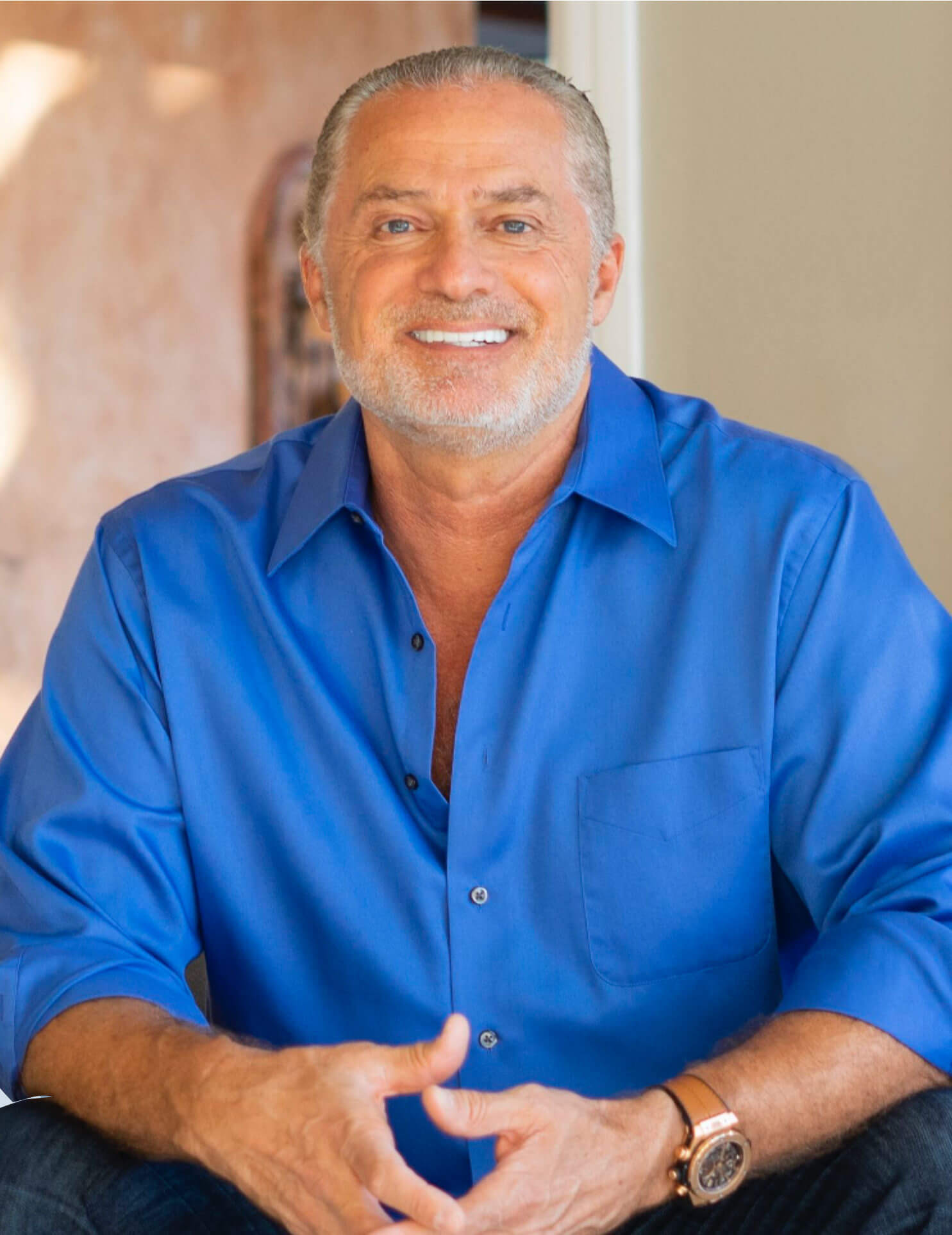
How Joel Friedland Uses an Industrial Sale Leaseback Strategy to Build Long Term Wealth
In this episode of the Lifetime Cash Flow Through Real Estate Investing podcast, Joel Friedland shares how he built a highly specialized industrial real estate business focused on long term ownership, conservative investing, and direct-to-owner acquisitions. With more than four decades of experience, Joel explains why his industrial sale leaseback strategy has allowed him to acquire over 100 buildings while avoiding many of the risks that derail investors during market downturns.
Unlike traditional multifamily value add investing, Joel’s approach centers around purchasing industrial buildings directly from business owners who want to unlock equity from their real estate while continuing to operate their companies. By structuring sale leaseback agreements, he creates predictable income for investors while giving sellers flexibility during retirement planning, succession issues, or business transitions.
Why Industrial Sale Leasebacks Are Becoming More Popular
Joel explains that demographic trends are creating a major opportunity in industrial real estate investing. Thousands of business owners are reaching retirement age every day, and many own the buildings their companies operate from. Instead of selling both the business and property together, many owners are discovering that a sale leaseback allows them to free up capital while continuing operations during a transition period.
This industrial sale leaseback strategy creates several advantages:
- Business owners gain liquidity without immediately relocating
- Investors acquire income-producing industrial assets
- Tenants maintain operational continuity
- Investors often secure future upside when a replacement tenant is brought in later
Joel emphasizes that most of his acquisitions come directly from cold calling and door-to-door relationship building rather than brokers. Out of more than 100 industrial buildings acquired, only four came through traditional brokerage channels. That hands-on approach has helped his team consistently uncover off-market opportunities in the Chicago industrial market.
The Power of Market Specialization in Industrial Real Estate
One of the biggest lessons Joel shares is the importance of hyper-focused specialization. Rather than investing nationally across multiple asset classes, he has spent decades mastering a single market: industrial buildings in the Chicago area.
His investment philosophy is built around knowing every industrial corridor, municipality, tax structure, and tenant demand trend inside his market. Joel explains that this deep local knowledge gives investors confidence because his team understands exactly which submarkets create long term value and which ones should be avoided entirely.
He also highlights how important operational efficiency becomes when investors stay geographically focused. By avoiding excessive travel and remaining concentrated in one market, his team can manage assets more effectively while maintaining strong broker relationships and direct owner connections.
Staying Power Matters More Than Leverage
A major theme throughout the conversation is Joel’s belief in “staying power.” Influenced by one of his longtime mentors, Joel structures many of his deals without traditional debt financing. While this approach limits aggressive returns, he believes it dramatically improves survivability during difficult market cycles.
Joel shares multiple stories where conservative financing protected investor capital during vacancies, tenant issues, and operational setbacks. He argues that many investors lose valuable real estate not because the property itself is bad, but because leverage removes their ability to survive temporary problems.
For investors focused on long term wealth creation, Joel believes real estate ownership should prioritize durability over maximum short term returns. His strategy centers around keeping properties for decades, increasing rents gradually over time, and allowing appreciation and cash flow to compound.
Lessons From Expanding Outside His Core Market
Joel also discusses one of his biggest investing mistakes: expanding into out-of-state industrial properties outside his expertise. After building a successful Chicago operation, he partnered on a large industrial acquisition in Columbus, Ohio that ultimately became a costly lesson.
The experience reinforced several key principles:
- Stay within your core competency
- Invest in markets you deeply understand
- Choose partners carefully
- Avoid oversized deals outside your proven model
- Maintain conservative underwriting standards
The failed expansion ultimately pushed Joel back toward the strategy that built his success in the first place: smaller industrial properties, local market expertise, and disciplined acquisitions.
Joel Friedland’s Background in Industrial Real Estate
Joel Friedland has spent more than 40 years specializing in industrial real estate acquisitions, syndication, and property management throughout the Chicago market. Over his career, he has acquired more than 100 industrial buildings and developed a reputation for sourcing off-market opportunities through direct outreach and relationship-driven investing.
Known for his conservative investment philosophy and focus on debt-free acquisitions, Joel has mentored numerous brokers and investors while building a portfolio designed for long term ownership and consistent cash flow.
If you want to hear the full conversation and detailed insights, watch the podcast video or read the complete transcript below.
Industrial Sale Leaseback FAQ
What Is an Industrial Sale Leaseback Strategy?
An industrial sale leaseback strategy is a real estate investment structure where a business owner sells their industrial property to an investor and then leases the building back to continue operating their business. This approach allows business owners to unlock equity tied up in real estate while maintaining operational control of the property. Investors benefit by acquiring income producing industrial assets with existing tenants already in place.
Why Is an Industrial Sale Leaseback Strategy Popular in 2025?
The industrial sale leaseback strategy is gaining popularity in 2025 because many business owners are approaching retirement and looking for ways to access capital without disrupting operations. Rising demand for industrial properties, supply chain growth, and increased interest in warehouse and manufacturing facilities have also made industrial real estate an attractive asset class for investors seeking long term cash flow and stability.
How Does an Industrial Sale Leaseback Work?
In an industrial sale leaseback transaction, the business owner sells the building to an investor and simultaneously signs a lease agreement to remain in the property as a tenant. The investor receives rental income while the seller gains immediate liquidity that can be used for business expansion, debt reduction, retirement planning, or other investments.
What Are the Benefits of an Industrial Sale Leaseback for Investors?
Industrial sale leasebacks offer investors several advantages, including immediate cash flow, long term tenant occupancy, reduced vacancy risk, and potential property appreciation. Investors can also acquire off market industrial properties directly from owners, often at more favorable pricing than competitive broker listed deals.
Why Do Business Owners Choose Industrial Sale Leasebacks?
Many business owners choose industrial sale leasebacks because they want to free up capital without relocating their operations. Instead of having large amounts of equity tied up in a building, they can convert that equity into cash while continuing to run their company from the same location. This strategy is especially common among family owned manufacturing and distribution businesses.
What Types of Properties Are Used in Industrial Sale Leasebacks?
Industrial sale leasebacks commonly involve warehouses, manufacturing facilities, distribution centers, flex industrial properties, and logistics buildings. Investors often focus on properties with strong transportation access, functional layouts, loading docks, and locations near major highways or industrial corridors.
Are Industrial Sale Leasebacks Considered Low Risk Investments?
Industrial sale leasebacks are often viewed as lower risk compared to speculative real estate investments because they typically include an existing tenant at acquisition. However, investors still need to evaluate tenant financial strength, lease terms, property condition, market demand, and long term location fundamentals before purchasing a property.
How Do Investors Find Industrial Sale Leaseback Opportunities?
Many investors source industrial sale leaseback opportunities through direct outreach, cold calling, broker relationships, networking, and targeted marketing campaigns. Off market deals are especially valuable because they may provide better pricing and less competition compared to publicly listed industrial properties.
What Makes Industrial Real Estate Attractive to Investors?
Industrial real estate continues to attract investors because of strong tenant demand, e commerce growth, supply chain expansion, and historically lower operating costs compared to other commercial asset classes. Industrial properties also tend to have longer lease terms and fewer management responsibilities than multifamily or retail properties.
What Should Investors Look for in an Industrial Sale Leaseback Deal?
Investors evaluating an industrial sale leaseback strategy should focus on tenant stability, lease duration, property functionality, market demand, transportation access, and long term appreciation potential. Understanding local industrial market trends and maintaining conservative underwriting standards are also critical for long term success.
00:00:33:07 – 00:00:48:13
Rod Khleif
Welcome back to life time cash flow through real estate investing. I’m Rod Khleif and I’m thrilled you’re here. I know you’re going to get tremendous value from the gentleman I’m interviewing. Today is a super nice guy. His name is Joel Friedland, and Joel has been in the business as long as I have, has suffered as much as I have.
00:00:48:13 – 00:00:59:11
Rod Khleif
And so we’re going to have a lot of fun talking about war stories and bemoaning, some of the stuff that’s happened to us, but, I’m kind of kidding, but, we’re going to have a lot of fun today. Joel, welcome to the show, brother.
00:00:59:13 – 00:01:01:18
Joel Friedland
Thank thank you, rod. Great to see you.
00:01:01:20 – 00:01:24:01
Rod Khleif
Thank likewise. Thank you. So why don’t you, tell a little bit of your story? You’ve been in the business, I think, 43 years. I think I got your beat by a handful of years. But, you know who’s who’s who’s who’s taken notes here, but, Yeah. So, why real estate, what you’ve done in real estate, what you’ve learned, you know, just kind of high level initially.
00:01:24:01 – 00:01:25:24
Rod Khleif
And then we’ll drill down, have some fun.
00:01:26:01 – 00:01:57:19
Joel Friedland
Sure. Well, first of all, I’m an industrial real estate. So I know so many people understand the multifamily business very well, and they understand, buying homes and build to rent. Industrial is a completely different world where we, we mainly, buy and own and manage single tenant buildings, one tenant per building. And the buildings are big enough that, the tenants pay rent in the tens of thousands of dollars a month sometimes.
00:01:57:21 – 00:02:28:23
Joel Friedland
And one of the ways that, we, we learn our lessons is from our mentors. And I had the most fabulous mentors in the 1980s. I graduated from the University of Michigan, and I went to work for a family. Their last name was a ski, and it was a father, Milt, and his two sons, Steve and Randy, and their daughter, Bonnie and they owned 84 industrial buildings in 1981.
00:02:29:00 – 00:02:35:22
Joel Friedland
And you remember 1981? It was a an economic disaster. And when Milt.
00:02:35:22 – 00:02:53:07
Rod Khleif
Yeah, we had we had interest rates as high as 18% back in 78 when I got in the business, and it took a long time. I remember doing backflips when they hit 7%. That was a very tumultuous time. Was that was that the SNL situation back then as well, or oh my, we’re getting the dates. Okay, okay.
00:02:53:12 – 00:03:22:15
Joel Friedland
That was that was your a few years later, but got it. I sat with Milt in the conference room at his office and I said, what can I help you with? And he said, well, I’ve got 84 buildings and ten of them are vacant, and your job is going to be to go walk around in industrial parks. You’re going to take your car, you’re going to drive and park in an industrial park where let’s say they have 700 buildings and you’re going to go door to door and you’re going to find me tenants.
00:03:22:18 – 00:03:26:03
Rod Khleif
That’s that’s guerilla marketing right there, baby. That’s good strategy. Okay.
00:03:26:04 – 00:03:50:00
Joel Friedland
I went to one place, you know, I used to I used all different kinds of techniques when I walk in the door. So sometimes I would say, hey, would you consider moving down the street? I have a vacant building, one time I walked into a place, and just because I was in one of those good moods, I said to the two guys that were sitting at the front desk, they were right next to each other, and I said, hey, you guys want to move out of this dump?
00:03:50:02 – 00:04:15:13
Joel Friedland
And I was just kidding. And they said, dump just a minute. So they come back for they disappeared for about a minute. They come back and they’re pushing a wheelchair with an old man. And they said, this is our dad. He owns this dump. And and the dad said, what did you call my place? I said, no, no, I was kidding.
00:04:15:13 – 00:04:36:08
Joel Friedland
I was just kidding. How are you to look at a building that I have available down the street? And the father said, boys, throw him out. They literally there were these big guys. I’m 51. Took me under this arm and one took me under this arm and they carried me out the front door and threw me into the parking lot.
00:04:36:10 – 00:04:50:18
Joel Friedland
And I landed on my knee. And I was wearing a suit. In those days, everybody wear a suit all right? And I ripped my pants and I had a bloody knee. Needless to say, I never called anything a dump after that.
00:04:50:20 – 00:05:11:23
Rod Khleif
You know, those are called seminars. I call them seminars. I ask my students at my boot camps on panels to talk about seminars. That’s a good one. So. So you you’re in you’re in industrial now. You do single tenant. So that’s not flex space. I’ve got students to do flex space. So you’re doing larger industrial. So you’re looking at the bay height or the or the truck mount height.
00:05:11:23 – 00:05:31:00
Rod Khleif
You’re looking at the door height. You’re looking at the square footage location, all of that stuff. So let me ask you this. You know, because I’m all about value add, and, and I like value add opportunities. Now, with the single tenant building, do you try to find buildings? I mean, sorry if I interrupted your your your bio here.
00:05:31:00 – 00:05:48:13
Rod Khleif
Okay. Yeah. I’m I’m already thinking I want I got questions I want to ask. So when you are looking at these buildings, are you looking for empty buildings. Is that primarily what you want to find so you can co-create value? Or are you looking for a building that’s occupied that may have some modest rent increases, and you’re going to bank on that?
00:05:48:13 – 00:05:50:14
Rod Khleif
I’m just curious. Or both, I don’t know.
00:05:50:17 – 00:05:54:23
Joel Friedland
So so over the years we’ve bought 108 buildings.
00:05:55:00 – 00:05:55:20
Rod Khleif
Wow.
00:05:55:22 – 00:05:58:15
Joel Friedland
And they’re all value add. Everything okay.
00:05:58:17 – 00:05:59:04
Rod Khleif
Okay.
00:05:59:08 – 00:06:20:20
Joel Friedland
And value add to to me is different than it is to some people in the multifamily world, right? I’m not looking to fix it up and get more rent. I’m looking to buy a building that already has a tenant. Maybe for a couple of years. We do something called a sale leaseback. So first of all, I think you’ll find this interesting.
00:06:20:22 – 00:06:48:02
Joel Friedland
We’ve only bought four buildings through brokers. The other 104 have all been through cold calling, literally cold calling door to door. So like for example, last year we bought seven buildings and my summer intern found one. He walked in this place in a town called wood Dale, 10,000 square foot building, and he talked to the, lady that was in the front office.
00:06:48:02 – 00:07:06:14
Joel Friedland
And he said, would you consider selling your building? And she said, no. So he walked out and there were a bunch of interns with me and wood Dale that day, and I saw him walking out and he looked really dejected. And I said, Jordan, what’s the matter? He says, she threw me out. I said, we’re going back in.
00:07:06:16 – 00:07:44:16
Joel Friedland
And he said, you know what? I said, we’re going to go back in. So he and I walked back in and I said, hi, I’m Joel, Jordan’s my summer intern. And what’s your name? And she said, my my name is Linda. Said, hi, Linda, we would like to buy your building, and we’re not asking you to leave or we’d like to buy it so that you can have some cash for your operations, and you’ll lease it back and give us the ability to make a return so that my investors, I have a group of syndicated investors can make a 7% return, and we’d love to buy the building.
00:07:44:16 – 00:08:08:21
Joel Friedland
And you can stay as long as you want. You can stay a year, two years, ten years, whatever you like. And she says, well, let me call my sister. She’s in the other room. So she says, Sue, come in here. So it turns out they’re twins and they’re rh they’re and they’re in their mid 60s. Right. And so I’m looking at these two women and they look identical to each other.
00:08:08:23 – 00:08:28:12
Joel Friedland
And you know these these blond haired women and and they both had a similar haircut. It was crazy. And I said hi Sue. This is Jordan, my intern. I’m Joel. We’d like to buy your building and lease it back to you. And Sue said, no, no, we’re not selling. We’re not selling. So I walked out with Jordan.
00:08:28:12 – 00:08:49:10
Joel Friedland
I said, I guess you were right. They’re not selling. Three weeks later, I get a conference call from Linda and Sue. Joel, we were thinking about your stop in, and we kept your information. We’d like to sell the building and lease it back. Yeah. I said, all right. I’d love to come over and talk to you about it.
00:08:49:12 – 00:08:55:12
Joel Friedland
So I assembled the whole group of five interns so that they could watch what it was like to.
00:08:55:15 – 00:08:56:12
Rod Khleif
See you in action.
00:08:56:12 – 00:09:20:12
Joel Friedland
Sure. Yeah. Negotiate. Negotiate a purchase and a lease. And I went over with the boys, and we talked to Sue and Linda, and I said, we’ll pay you a million to, which is $120 a square foot, and we’ll lease it back to you for $120,000 a year. And they said, we need to do some checking. We think we might be able to do better.
00:09:20:14 – 00:09:40:13
Joel Friedland
We have some brokers who’ve told us it’s worth more than that. And again, a couple weeks went by and they called me back and they said, okay, we’ll do it. We’d like a two year lease back. We want to sell our business. Our dad started the business in the 1960s, and he built this building in 1986, in our dad died.
00:09:40:13 – 00:09:52:21
Joel Friedland
It’s hard for us to let it go, but we believe you’d be a good owner and I think a good landlord. And it’ll give us the time to sell the business and retire. Yeah. And I a fantastic.
00:09:52:23 – 00:10:14:02
Rod Khleif
Sounds like a win win win all the way down the line. Honestly, that’s that’s a fantastic strategy, Joel. You know, and there are so many bills especially now there’s what 10,000 people a day turning 65 in this country. A lot of them owned businesses. A lot of those businesses own real estate. What a fantastic idea to have them relinquish the real estate piece while they’re selling their business.
00:10:14:02 – 00:10:21:05
Rod Khleif
I that’s a that’s a fantastic model. That’s probably going to be very effective in today’s day and age. Would you concur?
00:10:21:07 – 00:10:40:11
Joel Friedland
Oh yeah. Well this is this is our model. So our model is we don’t like buying vacant although we do occasionally. We like to have some income. And the reason we like a nice little two year or three year lease back is because about a year before the lease is up, we put the building on the market to find a new tenant.
00:10:40:13 – 00:10:41:10
Rod Khleif
Right? Of course, the.
00:10:41:10 – 00:10:57:10
Joel Friedland
Beauty of having that year is that during that year we do have some income coming in and the investors are getting paid and it gives us a runway to. So how do we create value in a value add? We find a new tenant. That’s how.
00:10:57:10 – 00:11:15:23
Rod Khleif
We gotcha. So so it’s 2 or 3 years down the road. Ideally if the if that business owner is, is you know, agreeable to that timeline, you know, if they go ten years, that maybe the value adds not a as quick as it were, but, Got it. Okay. Well, that’s a hell of a model.
00:11:16:03 – 00:11:20:09
Rod Khleif
And, are you geographically specific or where do you buy these things?
00:11:20:11 – 00:11:23:00
Joel Friedland
Well, only in the Chicago area.
00:11:23:02 – 00:11:24:16
Rod Khleif
Oh, wow. Just Chicago.
00:11:24:16 – 00:11:55:14
Joel Friedland
Wow. Chicago. No airplanes. No. No travel. Okay, our investors, I think, trust us, because we are market experts, like laser focus like nobody else. I can go to a wedding and sit next to someone that there’s 20,000 industrial companies in Chicago, and there’s, 17,000 industrial buildings, you know, 17,000, I’m guessing, over the last 40. So over many years I’ve been in at least half of them.
00:11:55:16 – 00:12:21:11
Joel Friedland
And I drive by them all the time. So my, my wife thinks it’s great party trick. I’m sitting next to someone at a wedding and I say, so what do you do? Oh, well, I’m in the, candy business. I manufacture candy in Chicago. Oh, okay. Tell me approximately where you are. So the guy say, I’m on Roosevelt Road and I’ll say, oh, 2700 Roosevelt.
00:12:21:13 – 00:12:41:16
Joel Friedland
You must be element bars. It’s a white precast building with six docks in front. And they’ll go like, what are you on? That’s funny. Sure. It’s a factory. It’s really crazy. We have to know the market. We have to know the values. And that’s our thing is really understanding the market just to.
00:12:41:17 – 00:13:07:05
Rod Khleif
Well, that’s secret. That’s the secret to success. I tell my students, the, the, the most successful operators I see are the ones that are geographically specific. Now, that’s that’s in the multifamily world, but it’s the same thing for what you’re saying. You know, if you’re if you’re diluted all over the place, you don’t know what the what the demands are, what the you know, what the, the demographics are for that market and and you’re, you’re going to lose and very often and so, no, I love it.
00:13:07:05 – 00:13:25:15
Rod Khleif
And and Chicago’s huge. Okay. I remember my father lived in Sleepy Hollow near East Dundee. And, and I would jog down the street there. And I remember seeing lots of industrial. But at that time, this is probably eight, ten years ago. There were a lot of empties. I mean, I saw a lot of and I mean, I was like, holy cows, a lot of empty industrial buildings here.
00:13:25:21 – 00:13:37:06
Rod Khleif
Just, just just jogging down the street from his place. And that’s just triggered a memory for me. But, but, but yeah, that Chicagoland area is, is enormous. So that’s a fairly big footprint.
00:13:37:08 – 00:14:01:16
Joel Friedland
I’ll tell you how specific we get. You probably haven’t heard this. There’s 40 municipalities in the Chicago area that have industrial properties. There are only 20 that will buy in the other 20 or forbid. So I, I can’t stand them. They’re just crap markets like the values don’t go up there in the wrong county. It’s an older, ugly park.
00:14:01:18 – 00:14:06:07
Joel Friedland
There’s certain areas. So there’s a place called DuPage County just to be very sure.
00:14:06:07 – 00:14:07:12
Rod Khleif
No, I’m familiar with it.
00:14:07:14 – 00:14:18:20
Joel Friedland
And DuPage County is where everybody wants to be. Why? Real estate taxes are lower, buildings are newer. It’s prettier, better curb appeal and more access to the highways for their trucks.
00:14:18:22 – 00:14:26:15
Rod Khleif
Because, well, that’s the big thing, isn’t it? The access doesn’t really matter what they look like unless they’re getting retail traffic. Who cares, right? Or am I, am I not?
00:14:26:17 – 00:14:28:07
Joel Friedland
Yeah. Curb appeal does matter.
00:14:28:11 – 00:14:29:14
Rod Khleif
It does.
00:14:29:16 – 00:14:53:21
Joel Friedland
Yeah. You get better rent for a building because these these people who own industrial businesses, manufacturers, primarily distributors, they have a self-image. The reason that they may have a nice house or a fancy car is they have an image of themselves like, hey, I’m, I’m a cool guy. I’ve got cool stuff. Right? So they don’t want to drive up to a building that looks like a piece of crap because it’s interesting.
00:14:53:23 – 00:14:56:10
Joel Friedland
Their image of themselves is the picture.
00:14:56:11 – 00:15:11:14
Rod Khleif
That’s that’s really interesting, Joel, because you know me, I’d like I don’t care. I don’t care if it looks like a dump outside, as long as it serves the purpose of I’m not bringing any people there, who cares? You know, I remember having a real estate office in a home that was a kind of a piece of junk.
00:15:11:14 – 00:15:22:15
Rod Khleif
But that’s interesting. How how could affect your self-image? I totally get that. That’s that’s fascinating. So, you know, I know Chicago’s Cook County, right? So you do you do a lot of business there as well.
00:15:22:17 – 00:15:25:06
Joel Friedland
We do. With seven buildings in the city.
00:15:25:08 – 00:15:25:21
Rod Khleif
Okay.
00:15:25:22 – 00:15:26:14
Joel Friedland
Oh, we got some.
00:15:26:16 – 00:15:45:15
Rod Khleif
I use I used to own a, well, I shouldn’t say owned, I used to I, I built a law practice in Illinois, and this was a lifetime ago when I had a litigation support company. And so I’m very familiar with, with the area, I mean, enough to be dangerous. I would say that, we were helping families that were losing their homes in foreclosure.
00:15:45:15 – 00:16:03:05
Rod Khleif
It was a it was a good business. Back in the day. A friend of mine bought it, and I’m actually going to his wedding today. That’s kind of funny. Yeah, the guy, the guy that bought it, I’m going to his wedding. Yeah. But, anyway, so. So, you know, what are some tools that you utilize? I mean, I see you utilize in terms, which is fantastic because they don’t really cost much of anything.
00:16:03:07 – 00:16:12:20
Rod Khleif
And that’s great for them, too. They get to learn the business, and you’re, you’re, you’re, you’re paying it forward. But what are some resources and tools that have helped you along in this journey?
00:16:12:22 – 00:16:45:05
Joel Friedland
So we have people who are specialists with us. So we have we have property management and accounting. And then we have an acquisitions team in our acquisitions team. It’s primarily, I hate to say, young guys, but it’s a it’s a very male dominated business. Industrial is mostly men. If there’s 300 active industrial real estate people in Chicago, with some exceptions, I’d say 90% are men.
00:16:45:07 – 00:17:07:18
Joel Friedland
And it’s a young man’s business to go find deals. It’s not it’s not an old guy business, although I do, I still do go door to door to look for buildings and but but the these we’ve got Logan Logan is our secret weapon right now. He just is on the street. And what he does is he he goes door to door and we have various hands out handouts.
00:17:07:18 – 00:17:29:16
Joel Friedland
So it depends on what building it is and who the tenant is, how big of a company it is, whether it’s privately owned or whether it’s a division of a much larger company, maybe based in Germany or in in Japan. And he he hands out something that’s a leave it there so they can know who stopped in. And we get calls from these things.
00:17:29:16 – 00:17:36:13
Joel Friedland
So the greatest tool really is the leaflets that we hand out when we go door to door to.
00:17:36:19 – 00:17:46:15
Rod Khleif
So what do they say? Give me an idea. What they say might be interested in buying your building. Have you ever thought about selling and leasing it back? Or you have to know what the ownership structure is, right? Because they may not own it, right?
00:17:46:17 – 00:17:58:21
Joel Friedland
Right, right. And so we have, a sales force, CRM, where we have all the buildings listed and we know who the owners are. Gotcha. Or who the tenants are.
00:17:58:23 – 00:18:03:15
Rod Khleif
And we like lube net, lube net, or something. You go in there and and look them up or costar.
00:18:03:17 – 00:18:29:02
Joel Friedland
Yeah, we use CoStar. We use loop net. But primarily we have our own system because we’ve assembled all this information over the past decades. Gotcha. We have a great database. And Logan is an example. Found four buildings door to door last year. Well, we’ve got about $14 million worth of buildings that Logan found by stopping in. And usually the first answer is like Sue and Linda.
00:18:29:02 – 00:18:57:22
Joel Friedland
The answer is no. We’re not looking to sell. Sure, sure. Then maybe they think about it and maybe something’s coming up. Maybe they have some alone that that needs to be renewed for the business and they need some cash. Or it’s possible that they’re at the age, you know, you know, most of our, our deals come from families who are fighting with each other because usually manufacturing, building buildings are owned by, by families where the grandfather started the business.
00:18:57:24 – 00:19:20:09
Joel Friedland
And they, they built it and they hired people and they added machines, and they just kept going and going. And that’s where the second generation comes in and works for dad. And then the third generation comes in and they’re all cousins. And by the time it gets there, someone doesn’t work as hard. Somebody is a little lazy, someone’s not that smart.
00:19:20:11 – 00:19:39:14
Joel Friedland
And then the wives or husbands get involved. Honey, it’s not fair the way your cousin’s treating you. You work so much harder, and they all get into these fights with each other, and that’s when they want to get rid of their business. So they sell the business to a private equity group, and now they’re still stuck with each other because they still own the building.
00:19:39:16 – 00:19:52:08
Joel Friedland
And that’s where we come in. People stay. We’ve got the three. These people who get divorced, sell their buildings, be paid. I and people who don’t get along don’t get along.
00:19:52:08 – 00:20:09:08
Rod Khleif
Okay. That’s the third one. I got to remember that one. The three days. I love that I knew the first two. Okay. Don’t get along well. That’s fascinating. You know, and that’s just human nature, but, interesting that that that, that you’ve seen that, that play out over time. That that’s a consistent, thing is it’s fascinating.
00:20:09:10 – 00:20:14:16
Rod Khleif
So you’re not interested in any other asset class? It is straight industrial, single tenant use.
00:20:14:18 – 00:20:26:02
Joel Friedland
Yeah. And you want to hear the craziest thing of all? Sure. We we buy debt free. We don’t put mortgages on, which I know goes against all the rules of leverage. And I know.
00:20:26:02 – 00:20:42:03
Rod Khleif
Well, I mean, you offer a 7% return. You know, that’s a very safe investment. I mean, you’re not going to lose the the property of the bank. Now, you could have less than that in return if you don’t rent it or re rent it or whatever. You know, like, I know I saw a lot of vacancy when I was jogging.
00:20:42:07 – 00:20:58:24
Rod Khleif
It’s been years ago, but, you know, you’ve got it. You’ve got to, you know, and I’m sure that now when you’re filling a building, you’ve got you. And I love the fact you give yourself a year. I mean, jeez, if you can’t do it in a year, go, go lay down. But but you give yourself a year.
00:20:59:01 – 00:21:08:18
Rod Khleif
So besides the guerilla marketing you mentioned, is there anything, any other marketing you do to try to fill these spaces? Yeah, by the way. And one of the thing, do you do them triple net?
00:21:08:20 – 00:21:09:19
Joel Friedland
No, no.
00:21:09:21 – 00:21:10:13
Rod Khleif
No you don’t.
00:21:10:15 – 00:21:12:10
Joel Friedland
It’s it’s double net.
00:21:12:12 – 00:21:12:21
Rod Khleif
Okay.
00:21:12:21 – 00:21:15:24
Joel Friedland
No, no tenant wants to put on a roof.
00:21:16:01 – 00:21:22:08
Rod Khleif
Okay. Got it, got it, got it. So you’re taking care of the maintenance and things that are heavy. Heavy lift.
00:21:22:10 – 00:21:23:05
Joel Friedland
Only the roof and.
00:21:23:05 – 00:21:24:20
Rod Khleif
The roof and Hvac.
00:21:24:22 – 00:21:48:08
Joel Friedland
And sometimes the Hvac and sometimes the parking lot, but. Gotcha. Usually just the roof and the structure. But here’s the other thing. We keep these buildings forever. We write our whole our whole thesis is real estate for the long term hold. We keep them. We don’t want to sell them. We want to lease them out. We want the rent to go up every year.
00:21:48:08 – 00:22:05:21
Joel Friedland
The key to our business is longevity and staying power. So the biggest issue we have is we can’t find what we want to buy. So when we have a great building, if we sell it, how do we replace it with anything as.
00:22:05:23 – 00:22:23:10
Rod Khleif
Oh no, I get it. You know, my first interview on the show was a billionaire named Albert Barris, who owns a McKinley Corporation in, Ann Arbor, Michigan, thousands, tens of thousands of apartments. And he said something that really stuck with me. And and you’re reminding me of it, which is I’m a real estate buyer, not a seller.
00:22:23:12 – 00:22:47:08
Rod Khleif
And, you know, and and I love that. Yeah, it’s kind of funny. And I he was my first interview billionaire, and I forgot to hit the record button an hour, and I looked down, I’m like, oh, shit. And he was, he was he was really cool. He’s been on the show several times, the wonderful guy. But in fact, just as an aside, I don’t know, do you utilize, iOS in your business at all from the book Traction the Entrepreneur’s Operating System?
00:22:47:08 – 00:22:48:15
Rod Khleif
Are you familiar with that or. No, I.
00:22:48:15 – 00:22:49:23
Joel Friedland
Am familiar with it, no.
00:22:49:23 – 00:22:56:02
Rod Khleif
Okay, okay. Well, we use it in my companies, and he’s referenced in that book. His company’s referenced in that book, which is called.
00:22:56:03 – 00:22:58:15
Joel Friedland
That was his dad. Right? Right. I was just you’re kidding.
00:22:58:21 – 00:22:59:20
Rod Khleif
Oh, wow.
00:22:59:22 – 00:23:03:08
Joel Friedland
I lived on Gettys Avenue in Ann Arbor.
00:23:03:10 – 00:23:04:07
Rod Khleif
No kidding.
00:23:04:09 – 00:23:06:16
Joel Friedland
They were my property manager and owner.
00:23:06:18 – 00:23:25:24
Rod Khleif
I’ll be damned. Well, yeah, that’s. That’s fascinating. Yeah. You know, it’s funny, I just, I sorry to derail the conversation, but, you know, I, I was going to have him speak at my mastermind. So I used to host the largest multifamily mastermind really in the world, probably about 40 or 50 billion in assets represented by the members. And and my assistant called his assistant, said, yeah, we’re going to fly Albert down first class.
00:23:25:24 – 00:23:51:13
Rod Khleif
We’re going to put him up in the Ritz-Carlton. And his assistant Nina is like, it’s okay. He’ll take his own jet. Thank you for that. But yes, like I was like, yeah, baby. Anyway, so, so, you know, I get a lot of people on my show that know they want to do something. They’re in a they’re in a rat race job, or they’re in a W2 job, even maybe high paying, very often, but they’re not where they want to be, freedom wise and and freedom time freedom, money, freedom.
00:23:51:13 – 00:24:01:06
Rod Khleif
You know, ability to travel freedom. What advice would you give them? You’ve been in the real estate a long time, you know, speak to that person. If you would.
00:24:01:08 – 00:24:10:07
Joel Friedland
Yeah. I, I mentor a lot of people over the years. We used to have a brokerage company. We did industrial brokerage. And by the way, you asked the other tools that we.
00:24:10:09 – 00:24:11:13
Rod Khleif
Oh, yeah. Sorry. Yeah.
00:24:11:16 – 00:24:40:11
Joel Friedland
The answer to that is the there’s a very, highly professional brokerage community that only does industrial. They don’t do anything but industrial. And they bring us most of our tenants. And the answer is do one thing, figure out one thing, get the best mentor in the world. Who’s the the number one person in your community that does that one thing.
00:24:40:13 – 00:25:00:19
Joel Friedland
And if you have to work for them for free and follow them around and shine their shoes, you got to have a mentor and do one thing. You know, I think you I told you this, my wife, had pancreas cancer and she survived it. Well, and we went and we saw five different teams of surgeons and oncologists.
00:25:00:19 – 00:25:29:03
Joel Friedland
Two years ago, we went to all the hospitals in the Midwest that were the most renowned pancreas cancer hospitals. And we interviewed teams. And who did we pick? We picked the one doctor, this guy, his name is Doug Evans. He’s in Milwaukee, which is north of Chicago. It’s not even in our town, but he was the best guy, doctor cam guy who he worked with the the oncologist, the best.
00:25:29:05 – 00:25:55:20
Joel Friedland
And why did we choose him? Because he’s a specialist that is the best at what he does beyond anybody that we talked to and even the other people we talked to, the other doctors said, if you don’t come to me, go to Doug Evans in Milwaukee. So what I would say to somebody and when when we had our brokerage company, I trained 70 brokers in industrial.
00:25:55:22 – 00:26:15:11
Joel Friedland
30 of them are still in, 40 of them either washed out or decided to do something different. But their mentorship that they got from me and from my partners was second to none. And they did one thing and they got great at it. And we’ve made a lot of millionaires out of people that we trained because they do the one thing that they learned.
00:26:15:11 – 00:26:24:17
Joel Friedland
So the answer is, I think pick something specific as hell, learn everything about it and be the best person at that period.
00:26:24:17 – 00:26:48:17
Rod Khleif
That’s great advice. That’s great advice. Yeah. And if it’s multifamily, for God’s sakes, come see me. You know, I will tell you, Joel, and you don’t know this about me, but, yeah, our program, our my warrior coaching program, which is my students, I have about 2000 students around the country. Those results, we believe they own about 300,000 units under my tutelage, which is more than everybody else that does this combined.
00:26:48:19 – 00:26:56:20
Rod Khleif
So I’d like to I’d like to think that I’m in that, I’m in that 1% of 1% as far as a mentor for multifamily. In fact, I know you aren’t.
00:26:56:23 – 00:26:59:21
Joel Friedland
Yeah, yeah, I watched you over the years, and I know you are.
00:26:59:23 – 00:27:20:01
Rod Khleif
Yeah. Thank you. So let me ask you this. You know, I love to ask this question because I think people learn more from failure and mistakes than they do from success. And there’s no question you’ve you’ve had your share of what we call seminars, you know, where where you got your butt handed to you. Talk about one of those, if you can think of one.
00:27:20:03 – 00:27:27:00
Rod Khleif
And I know you can just think of a one where there may be some some training and some messaging and some some some advice involved.
00:27:27:02 – 00:27:30:00
Joel Friedland
And then I’m thinking, I’m going to get in big trouble here.
00:27:30:02 – 00:27:31:04
Rod Khleif
That’s okay.
00:27:31:06 – 00:27:54:18
Joel Friedland
All right. I have a brother. I had a brother in law in Columbus, Ohio. No longer my brother in law. He and my sister in law live divorced. Great guy, great guy. Jeff, I decided that we needed to go national. This was in 2004, and so we bought a property in New York, and we bought a property in Florida, and then another one in Florida.
00:27:54:20 – 00:28:14:19
Joel Friedland
And my brother in law said, gee, Joel, I love what you’re doing in Chicago. And he was a civil engineer and he had some real estate experience. And he said, why don’t I moved to Chicago for three months? I’ll learn the industrial real estate business, and then I’ll come back to Columbus, Ohio, and I’ll buy buildings, and maybe you and your investors will back me.
00:28:14:19 – 00:28:37:15
Joel Friedland
And I said, Jeffrey, that’s great. So he moved to Chicago. He lived here. And, my sister in law lived with my in-laws a couple blocks away from where we live. He learned the business. He went back there and he picked a building and he said, I’ve got the perfect building. And you put in 800,000 and I’ll put in 800,000.
00:28:37:15 – 00:28:57:00
Joel Friedland
When I. When he says you, he means you’re you’re a group of investors. My investors bought $50,000, 100,000 each into a deal. Right. So for all the deals we have and maybe we have 200 investors altogether, and some are in this deal, some are in that deal. And they all trusted me. And I said, my brother in law found this building.
00:28:57:00 – 00:29:29:09
Joel Friedland
It’s 200,000ft² in Columbus. It’s on Brant now. 1033 Bretton L Avenue. And we bought the building and we knew that the tenants were leaving. Eventually we had to release it, and we went to Florida for Christmas break about a month later. And my brother in law, my father in law and the whole family, we were sitting at a restaurant, Nick’s Tomato Pie, which was over in Jupiter, and my father in law says, oh, look, look, there’s Ron.
00:29:29:11 – 00:29:47:08
Joel Friedland
Ron, Jonas. He he owns, a lot of real estate. He lives in my community, owns a lot of real estate in Columbus. Said you should go meet him. So I went over and I said, hey, Ron, I’m Joel, I’m Richard, son in law, and, I just bought a building in Columbus. He said, oh, which one?
00:29:47:10 – 00:30:12:14
Joel Friedland
I said, 1033 Bret Neil. He said, oh, the stabbing building. What I said the what? He said, oh, that’s the building that’s been on the market for like five years. And apparently the brokers brought someone to look at it. And while they were in the building, some crazy the homeless guy came after them with a knife. And so it’s known as the Stabbing building.
00:30:12:16 – 00:30:24:05
Joel Friedland
And I said to my brother in law, Jeff, I said, Jeffrey, did we buy the stabbing building? He said, oh, I didn’t tell you. I said, oh, wow. No, you didn’t fucking tell me.
00:30:24:07 – 00:30:25:03
Rod Khleif
Like.
00:30:25:05 – 00:30:52:05
Joel Friedland
What did we buy? What did you do? But I so here’s, here’s the mistake. It wasn’t in our wheelhouse because it wasn’t in Chicago. Right? We had had so much success by being local experts, right. Expanding into a market I didn’t know I picked a partner that I never should have picked. Big mistake. It’s 200,000ft². We like little buildings.
00:30:52:05 – 00:30:55:16
Joel Friedland
We like 30,000ft². They’re easier to lease. There we.
00:30:55:17 – 00:30:59:11
Rod Khleif
Go there. Much easier. A lot more. A lot more options with a smaller building.
00:30:59:17 – 00:31:21:03
Joel Friedland
Right. So our whole portfolio is made up of buildings under 100,000ft². The two. So I stretch to do 200. I picked the wrong partner. I went out of town and it turns out that the building was nothing but a disaster. And we we lost a lot of money. So I learned those lessons. And so that was my seminar.
00:31:21:05 – 00:31:22:03
Rod Khleif
Yeah, that’s a good one.
00:31:22:03 – 00:31:25:10
Joel Friedland
That’s building the last building that I bought out of town.
00:31:25:12 – 00:31:46:14
Rod Khleif
That was a good one. Wow. That’s a good one. So, you know, you’re a dynamic guy. You’re my age. You know, I spend a lot of time on motivation and psychology and how it really 80 to 90% of your success in anything is your mindset and psychology, you know, where do you get your drive? You know, what makes you jump out of bed and conquer the day, every day?
00:31:46:14 – 00:31:48:11
Rod Khleif
I’m just curious.
00:31:48:13 – 00:32:16:11
Joel Friedland
I was born this way, you know? Yeah. There’s an old an old Mark Twain quote. How come you’re so excited all the time? He says, I was born excited. I don’t know, okay. You know, I, I just when I was, 14, I started a lawn cutting business, you know, a door to door. My parents went out of town, and I went door to door in my neighborhood in over one weekend, I got 60 families just to hire me to cut their lawn.
00:32:16:12 – 00:32:17:17
Rod Khleif
Six, six, zero.
00:32:17:17 – 00:32:40:22
Joel Friedland
Hole in one weekend. Wow. So I went to the store. My parents were out of town. I hired a neighbor who could drive, who had a, pickup truck, and we went and we bought bags and bags of Scott’s fertilizer. All all, by the way, on credit Ferraro lawn, Lawn and Garden, which was in the area. I bought five lawn mowers.
00:32:40:24 – 00:33:01:14
Joel Friedland
I bought all kinds of, fertilizer spreaders. And I loaded this shit into my garage when my parents were out of town, and my parents come back from California, and they look in the garage, and they can’t get the car in the garage because it’s just chock full of landscaping supplies. My dad looks at me, says, young man, what did you do?
00:33:01:16 – 00:33:09:02
Joel Friedland
Right. That’s awesome. I started a lawn business. And so, yeah, I tell you, I just.
00:33:09:02 – 00:33:12:04
Rod Khleif
I’m so you. It’s been in your blood for a long time. Got it.
00:33:12:04 – 00:33:17:21
Joel Friedland
The other people person I like, I like sales, I like people.
00:33:17:23 – 00:33:20:10
Rod Khleif
Yeah, I like you. You’re an extrovert. Like me.
00:33:20:10 – 00:33:28:24
Joel Friedland
Yeah, yeah. And I like creativity. You know, I love I love being creative. Coming up with ideas that people haven’t thought of that are interesting, that are workable.
00:33:28:24 – 00:33:46:11
Rod Khleif
Yeah, yeah, I think I think, you know, you know, when you love what you do, you’re, you’re it’s much easier to innovate and be creative, because you’re loving what you’re doing and you’re passionate about it. You know, I think you need to be passionate to, you know, to to influence people, investors and sellers and brokers and everything else.
00:33:46:13 – 00:33:58:05
Rod Khleif
So you’ve had mentors your whole life, and I, me as well. I’ve, I’ve had many mentors. What’s what would you say? We just got a couple of last questions here. What would you say is the best advice you’ve ever received from a mentor?
00:33:58:05 – 00:34:26:18
Joel Friedland
Joel, I have a mentor named, Nate Wagner, who is turning 99 on July 12th. Wow. I’m writing a book about him. We have breakfast every Saturday, and we have for 15 years. The book is called breakfasts with Nate. And the best advice that Nate that anyone ever gave me was staying. Power in real estate is everything. And if you don’t have staying power, someone else.
00:34:26:23 – 00:34:45:15
Joel Friedland
When the market turns, will own the properties you used to own, and you won’t own them anymore because you can’t get through the rough times if you don’t have staying power, whatever that means. And that, by the way, is why we do these debt free deals. When I did my first debt free deal, I called Nate and I said, how would you like to go into a deal with me?
00:34:45:15 – 00:35:14:18
Joel Friedland
He says, look, Nate, they did very well in real estate for a long time. And because of his longevity, he even did better. Sort of like, you know, how, sure, Warren Buffett made most of his money in the last 30 years after he was 60. So did Nate and Nate more or less took the approach that he was going to be successful because he was going to have this ability to get through any tough period.
00:35:14:20 – 00:35:33:22
Joel Friedland
And he told me we were at breakfast one day and he said, if you if you don’t learn anything from me staying power. So I called him and I said, I’ve got this one building in Mundelein that I want to buy. It’s 20,000ft. It’s $1 million. How would you like to be partners with me on it? And we’ll do it debt free, he said.
00:35:33:24 – 00:35:40:16
Joel Friedland
I love that idea. I love that idea, he says. I’ll put up 950,000. You put up 50,000.
00:35:40:18 – 00:35:42:02
Rod Khleif
But I send for him.
00:35:42:02 – 00:36:07:22
Joel Friedland
950,000 is like 5000 to me. Right? So, so I said, okay, that would be great. And we bought the building and we had trouble the, the, the first tenant left. It was vacant for months. We made a deal with a furniture company. They didn’t keep the heat working in the winter time in the spring, pipes froze.
00:36:08:01 – 00:36:10:16
Rod Khleif
Yeah. The pipe sprinklers, sprinklers froze. Jesus.
00:36:10:16 – 00:36:33:23
Joel Friedland
And the guy moved out and he says, I can’t occupy the building because the sprinklers froze, so I’m not going to pay rent anymore. And I said, whoa, whoa, whoa, you were responsible for the heat. You can’t just not pay rent. He said, Sue me. My daughter’s a lawyer. Tough shit. And I said, great. So it had two problems and then it had a third problem.
00:36:33:24 – 00:36:53:12
Joel Friedland
Okay? It was one of the worst deals I ever made. But we made 4% for the three years we owned it each year on average. Why? Because Nate’s the whole position about staying power was you can’t lose very much if anything if there’s no lender.
00:36:53:14 – 00:36:55:10
Rod Khleif
Yeah. So yeah.
00:36:55:11 – 00:37:13:09
Joel Friedland
It would have been a deal. If we had borrowed 60%, we would have lost probably. I’d say half of our money. So yeah, we would have put up down 400,000, we would have lost 200,000 and said we made it was very it was it was light, modest.
00:37:13:09 – 00:37:26:10
Rod Khleif
It was modest. But you made money. You didn’t lose. I’m going to tell you something. I’m going to I want I’m going to I’m going to put a pin in that. That is some of the best advice I’ve ever heard. Joel. And I will tell you guys, I hope you heard that. It’s all about staying power in real estate.
00:37:26:14 – 00:37:46:02
Rod Khleif
I’ve, I’ve I’ve had my ass handed to me where I had debt and I lost everything. You guys know my story. Lost $50 million, and, you know, and I’ve got a nefarious partner right now I’m dealing with. I’m in mediation. We’ve. We’re losing some stuff. And you know, and I teach this thing. I teach this stuff, and that is fantastic advice.
00:37:46:04 – 00:38:02:23
Rod Khleif
Listen, Joel, I really appreciate you coming on the show, my friend. You’ve added tremendous value. And, and, I love what you’re doing. And, and as, you know, I know we’ve been trying to get together here for a couple of weeks for a long illness and everything else, but, it’s I’m glad we were able to get this done.
00:38:02:23 – 00:38:05:21
Rod Khleif
And thank you so much for sharing your wisdom, my friend.
00:38:05:23 – 00:38:12:00
Joel Friedland
You do such a great job with these podcasts. I sometimes I put them on while I’m falling asleep. I listen to you. I know this.
00:38:12:02 – 00:38:13:12
Rod Khleif
Well, that’ll do it. That’ll do it.
00:38:13:12 – 00:38:16:07
Joel Friedland
Take one way.
00:38:16:09 – 00:38:23:08
Rod Khleif
But but yeah. That’s funny. That’s very funny. Well, listen. Thanks, Joe. I appreciate you, brother. Take care.