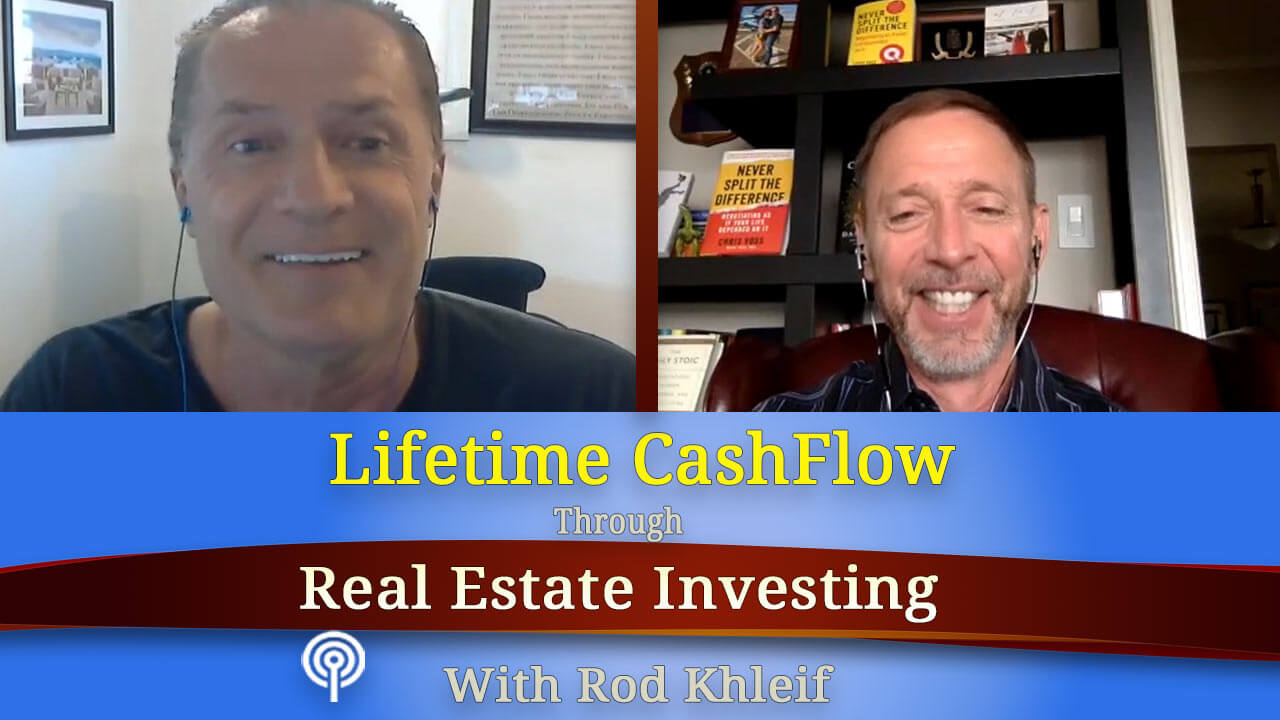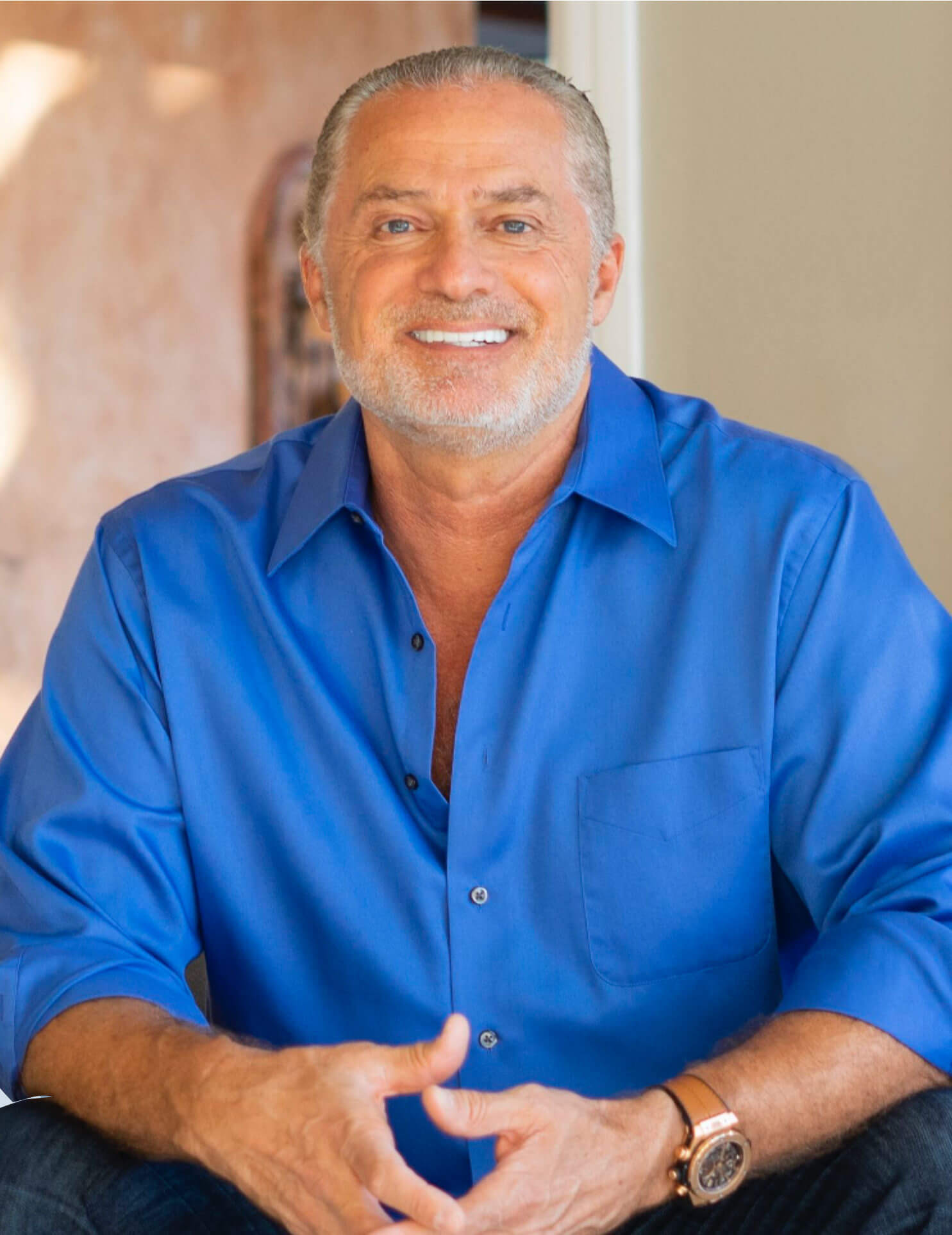
Digital Real Estate and Building Scalable Wealth with Ian Prukner
Digital real estate is an emerging business model that Ian Prukner describes as owning lead generating websites that produce cash flow by connecting consumers searching for local services with businesses willing to pay for qualified leads. Rather than owning physical properties, investors own digital assets designed to generate recurring revenue. Prukner explains that the model can appeal to people looking for passive cash flow without tenants, property repairs, or the leverage commonly associated with physical real estate.
Prukner’s entrepreneurial background gives him a unique perspective on building businesses and creating scalable income streams. He began his career as a pastor and later entered the financial services industry after experiencing financial pressure during the Great Recession. By 2022, he had helped build a financial business with 48 locations and 1,400 representatives before the company was sold in a multiple eight figure exit. He later became involved in a digital financial business that generated approximately $75 million in revenue within two years, according to his account in the interview.
What Is Digital Real Estate?
Prukner explains that digital real estate consists of lead generating websites built around specific services and geographic markets. His team researches search demand, identifies opportunities where competition may be poorly managed, acquires relevant domains, develops websites, and works to rank them in search engines. When consumers find those sites and request a service, the resulting leads can be connected with local service providers.
The model is designed around creating an asset that can generate cash flow without requiring the owner to operate the underlying service business. Prukner says his company had approximately 7,500 lead generating websites operating at the time of the interview, with many owned by clients, friends, and family members. The broader concept is similar to owning a digital property that attracts traffic and monetizes that attention through lead generation rather than rent.
How Lead Generation Creates Cash Flow
A major component of Prukner’s digital real estate strategy is identifying locations and services where consumers are actively searching online. He uses examples such as people searching for roofing services in a particular city. The website is designed to capture that search traffic and connect the consumer with a qualified local provider. This creates value for the consumer, the service provider, and the owner of the digital asset.
Prukner also describes a technology-driven system for selling exclusive leads. When someone calls a website looking for a service, contractors in the network can bid on that lead in real time through a ping-post-bid system. The winning provider can then receive the call as a live transfer, allowing the lead to be monetized while the consumer is actively looking for help. Prukner says the system was processing more than 100,000 calls per month at the time of the conversation.
Another concept discussed is lead arbitrage. Prukner explains that different buyers may value the same type of lead differently, creating an opportunity to acquire leads from one source and route them to another buyer willing to pay more. He describes this as an additional way his company was testing ways to increase the income generated by its digital assets.
Building Digital Assets Through Organic Search
Organic search is another important part of the digital real estate strategy. Prukner explains that his company has historically relied heavily on organic traffic rather than paid advertising. However, he emphasizes that search behavior is changing as consumers increasingly use search engines, social platforms, and AI tools to discover information and businesses.
His approach is therefore broader than traditional search engine optimization. Prukner describes optimizing websites and social profiles for multiple discovery channels rather than relying exclusively on Google rankings. For investors and business owners building their own online presence, the broader lesson is that digital visibility requires adapting to how consumers actually search for information and services.
The Economics of Digital Real Estate
Prukner provides an example of how multiple digital assets can potentially be combined to create a larger cash flow stream. He says an individual website cost approximately $7,500 at the time of the interview and that his expectation was for a site to eventually generate roughly $300 to $500 per month in gross cash flow after about a year. He illustrates how owning multiple sites could create a larger portfolio of digital income producing assets.
The interview also touches on potential tax treatment for certain business expenses. Prukner discusses how portions of the purchase can represent services such as website development, copywriting, SEO management, and social platform management, while a domain may be treated differently as an asset. He specifically notes that investors should work with qualified accountants because his company is not providing accounting advice.
From Digital Assets to Physical Real Estate
Although digital real estate is a major focus of the conversation, Prukner has also invested in traditional real estate. He discusses buying properties for short term rentals, completing flips, and building a large house. This experience illustrates how an entrepreneur can look beyond a single asset class and explore different ways of creating income and building wealth.
For real estate investors, one of the most relevant takeaways is the importance of thinking about cash flow and scalability beyond the physical property itself. Digital real estate operates differently from multifamily or other physical assets, but the underlying entrepreneurial question is similar: how can an asset be structured to produce income without requiring the owner to personally perform every task?
Why Systems Matter for Business Growth
Prukner also shares an important lesson from his experience building a large organization. At one point, he was earning roughly $300,000 in annual net profit but had reached a plateau because the business depended too heavily on what he personally knew and did. After working with a coach, he began documenting processes and implementing SOPs, KPIs, accountability systems, and measurable front end metrics. He says the business eventually grew to approximately $1 million in annual net profit while his workload was cut in half.
The lesson is particularly relevant to real estate investors who want to move from operating a business themselves to building an organization that can scale. Systems allow knowledge to be transferred, performance to be measured, and responsibilities to be delegated. For investors building multifamily businesses, syndications, property management operations, or other entrepreneurial ventures, systematization can be an important part of creating a company that does not depend entirely on one person.
Taking Action Instead of Waiting for Perfect Knowledge
One of the strongest themes in the conversation is taking action. Prukner describes an “action threshold” as the amount of knowledge, certainty, or skill someone believes they need before making a move. He argues that analytical people can sometimes set this threshold so high that they remain stuck waiting for more information.
His advice is to systematically lower that threshold by developing greater trust in your abilities, work ethic, instincts, tenacity, and grit. Rather than expecting to know everything before taking action, he believes many of the lessons and skills people are looking for are found on the other side of taking action. This idea directly connects with real estate investing, where learning to evaluate deals, build relationships, raise capital, and solve problems often comes through actually engaging with the process.
Some of Prukner’s key principles for entrepreneurs and investors include:
- Build systems instead of making yourself indispensable to the business.
- Take action before you have complete certainty.
- Develop relationships by learning from mentors and implementing what they teach.
- Build teams around a compelling vision, integrity, and measurable results.
- Continue adapting and reinventing yourself as markets and opportunities change.
Building Teams Through Vision, Integrity, and Results
Prukner says successful team building starts with a clear vision. He believes a leader’s vision should be large enough that other people can see how their own goals fit inside it. From there, integrity becomes critical for retaining people and creating a culture where individuals can trust the organization and its leadership.
He identifies three major components of building a strong team: vision attracts people, integrity keeps them, and results demonstrate that the organization can help people reach their goals. This framework is especially applicable to multifamily real estate because larger acquisitions typically require investors, operators, lenders, brokers, property managers, contractors, and other professionals to work together.
The Role of Mentors in Accelerating Growth
Mentorship is another recurring theme throughout the interview. Prukner describes mentors as a shortcut because they allow people to learn from someone else’s experience rather than making every mistake themselves. He explains that he initially earned relationships with mentors by studying their material, applying what he learned, and producing results before those mentors began inviting him into deeper relationships.
He also emphasizes that coaching is not simply about learning more information. A coach or mentor can help identify blind spots, create accountability, improve sustainability, and accelerate progress. For investors and entrepreneurs, this can mean shortening the learning curve while gaining access to perspectives and relationships that may otherwise take years to develop.
Balancing Financial Success With Life
Beyond business and investing, Prukner discusses how his priorities changed after experiencing a serious period of uncertainty in his life. He describes becoming extremely focused on future goals and the next accomplishment, only to realize that he was not always fully present for the people and experiences around him. That experience led him to place greater emphasis on being present and protecting time for the areas of life that matter most.
Prukner’s “solid yellow line” concept provides a practical framework for doing this. He recommends treating five areas as non-negotiable priorities in the schedule: faith, family, fitness, finance, and future self. The idea is to deliberately protect time for these areas rather than allowing business goals and other demands to consume every available hour.
For entrepreneurs and real estate investors, the broader message is that building wealth is only one part of creating a successful life. Prukner defines success around doing your best to become the best version of yourself and argues that financial achievement in one area does not necessarily mean someone is succeeding across every important area of life.
About Ian Prukner
Ian Prukner is a serial entrepreneur, consultant, speaker, and bestselling author who has built and sold businesses, invested in real estate, and developed scalable digital businesses. His career includes building a financial services organization with 48 locations and 1,400 representatives before a multiple eight figure exit, followed by involvement in a digital business that generated approximately $75 million in revenue within two years according to his account. He has also invested in short term rentals, real estate flips, and other entrepreneurial ventures.
Prukner’s upcoming book discussed in the interview, 12 Words That Change Everything, explores ideas including truth, relevance, commitment, resilience, tenacity, and other principles he believes have shaped his approach to business and life. The conversation combines digital real estate, entrepreneurship, leadership, systems, mentorship, investing, and personal development into a broad discussion about building scalable success.
If you want to hear the full conversation and detailed insights from Ian Prukner, watch the podcast video or read the complete transcript below.
01:20:08:29 – 01:20:27:08
Rod Khleif
Come to another edition of Lifetime Cash Flow through real estate investing. I’m Rod Khleif and I’m thrilled you’re here. And we are going to have a very interesting guest on. Today’s name is Ian Pruner. Now Ian has pretty much done it all. He’s what he calls himself a serial entrepreneur like myself. He’s a consultant. He’s a speaker, bestselling author.
01:20:27:09 – 01:20:46:14
Rod Khleif
He has bought and built and sold businesses in the eight figure range exits. And we’re going to have a wide ranging conversation. It’s not going to just be real estate. It’ll be about business in general. And he happens to live here in Sarasota. So I’m like, dude, I see him on Instagram every freaking day. I’m like, let’s get together and have an interview because you’re an interesting guy.
01:20:46:15 – 01:20:47:13
Rod Khleif
So welcome brother.
01:20:47:15 – 01:20:49:29
Ian Prukner
Hey rod, thank you so much for having me. Excited to be on.
01:20:50:00 – 01:21:04:02
Rod Khleif
Yeah. Thank you. So. So why don’t you do a better job than I could possibly do in talking a little bit about your history and you know, where you started and what you’ve done and where you are now. And let’s do it.
01:21:04:02 – 01:21:22:22
Ian Prukner
Like that. Yeah. So I started off as a pastor. I was a pastor for a church up in Michigan, which is where I’m from. I was a music pastor, so I wasn’t a speaking pastor. I ran bands for a big mega-church. And if anybody in your audience is a musician, they would know, like, if you can be a musician and make enough money to survive playing music, you’re like the happiest person on earth.
01:21:22:22 – 01:21:44:12
Ian Prukner
And that was me. I love what I did, it wasn’t really a job and my wife and I were newly married. We both worked for the church up in Michigan and Detroit. Got super hard hit in the Great Recession, right at 809. It started hitting Detroit about a year previous to that. And so working for the church, charitable giving just stops when things get tight and and things got bad.
01:21:44:12 – 01:22:03:04
Ian Prukner
I ended up taking some pretty big pay cuts there. I was working a couple jobs on the side just to make ends meet, and and we were on thin ice financially and we fell through the ice. And I’ll never forget, I need to make $250 a month. That was my shortfall. And so I was starting to look for how do I make a couple of hundred bucks a month?
01:22:03:04 – 01:22:21:13
Ian Prukner
So my best idea that I could come up with was to be a night manager at Rite Aid. And I was going to work three midnights a week for $14.55 an hour at the time, and after taxes that would net me out my $250 shortfall. So that’s what I was going to do. And my boss at the church, his name was Steven.
01:22:21:14 – 01:22:35:14
Ian Prukner
He came to me one day after cutting my pay and he’s like, hey Ian, are you still looking to make extra money? I said, with all due respect, you are my boss. But you see what you pay me here, right? Like, that is the stupidest thing you’ve ever asked me. Of course I’m looking to make some extra money.
01:22:35:14 – 01:22:53:00
Ian Prukner
And he says there’s this guy that goes to the church. He does this thing. You could do it part time. You’d probably be good at it. And I figured, well, I couldn’t make any less money than I’m making here at the church. So I called this guy up and I’m like, hey, my name’s Ian. You probably recognize me being on stage at the church.
01:22:53:02 – 01:23:09:20
Ian Prukner
My boss told me you might have an opportunity. He said, sure. Come on by. Said when he said, how about in an hour? So it was a Wednesday afternoon in August of 2007, and I pulled up to this guy’s house. He had this big castle looking house on the lake, and and I was super middle class. Nobody in my family had ever made six figures.
01:23:09:20 – 01:23:30:08
Ian Prukner
Nobody in my wife’s family had ever made six figures. We were we were middle class, middle income. We didn’t really have any associations, no real wealth to speak of. And I pulled up to this guy’s house and no joke, I’m like, if he’s not selling drugs to kids, I’m in. I don’t care what he’s doing, really, because I was smart enough to learn that, like, hey, this guy knows something about making money that I don’t, right?
01:23:30:10 – 01:23:42:15
Ian Prukner
And so he was in the financial space. He offered a mentor me on a part time basis. I figured, what do I have to lose? So I got started. My first year in that business, I made a six figure income and it was like life changing.
01:23:42:15 – 01:23:45:16
Rod Khleif
So financial space, you got your series license and started doing financial.
01:23:45:16 – 01:24:10:08
Ian Prukner
Planning, insurance and investments and all of that. Okay. And so started in that at 2007, went full time in that business. Fast forward to 2022. We had 48 locations, 1400 reps all throughout the country. We actually sold that business in a multiple eight figure exit and no longer have that. And along the way, about 7 or 8 years into it was really on autopilot.
01:24:10:08 – 01:24:25:27
Ian Prukner
I had a great leadership team in place. We had good systems, we had some good software that we had built to help manage the team and manage that client base, which was close to 100,000 clients at the time we sold it. It’s a pretty big entity, and so we built that all out and it was sort of on autopilot.
01:24:25:28 – 01:24:28:25
Ian Prukner
And I’m just like a creator, right? Like probably like you.
01:24:28:28 – 01:24:29:10
Rod Khleif
Are mine.
01:24:29:15 – 01:24:46:06
Ian Prukner
I can’t sit still. Right? My wife’s like, you should take a break three days. And I’m like, I gotta do something, I gotta find it. So I started buying real estate and and putting it up for short term rental. I started doing some flips. I built a pretty big house that was just sort of like fun. I think I built it and and sell it.
01:24:46:06 – 01:25:08:27
Ian Prukner
I started writing books and producing courses and doing some coaching and consulting and and that’s sort of where I ended up. And a couple of years ago, a couple of friends of mine from the finance business called and said, hey, we want you to consult for a new idea that we have. They were building basically a digital, a tech, financial product, and I loved it.
01:25:08:27 – 01:25:32:28
Ian Prukner
I saw it, and I thought it was like lightning struck me. This is a great idea. It’s super simple. It’s making a lot of money. This could be a really like a blue ocean scenario. Nobody’s doing this for the first here. And so we went to work on that. We took that business in two years, had done about 75 million in revenue, no ads, totally from scratch with a commission based sales team that we built.
01:25:32:28 – 01:25:35:26
Ian Prukner
And we’re just really starting to ramp it up.
01:25:35:27 – 01:25:37:13
Rod Khleif
So that’s the digital real estate.
01:25:37:14 – 01:25:39:03
Ian Prukner
Yeah, that’s the digital real estate business.
01:25:39:03 – 01:25:54:29
Rod Khleif
So I asked him what he was doing before we get started and he says, I’m doing digital real estate. You know what I’m thinking? Okay, maybe a fractional lies. Real property. No, he’s talking about digital assets, but he’s using the moniker real estate. And so why don’t you describe what it is?
01:25:55:01 – 01:25:58:23
Ian Prukner
Yeah. Well, the reason we call it digital real estate is that’s actually a pretty good.
01:25:58:23 – 01:26:04:22
Rod Khleif
Idea, you know? You know what it really is. Now sit and think about it. Once you hear how what it is, you’ll see it is a good name.
01:26:04:23 – 01:26:27:12
Ian Prukner
Yeah. So what we do is digital real estate. The best way to understand it is these are lead generating websites that produce a cash flow by selling the leads they generate that are owned by third party disinterested owners. These are people who are just looking to have a cash flow that is passive in nature, and they don’t want to deal with renters.
01:26:27:12 – 01:26:45:24
Ian Prukner
They don’t want to have millions of dollars of leverage out there. So it’s a it’s an asset that they can buy for a relatively small amount of money that produces, you know, multifamily esque cash flows. And so we started building these out for ourselves at first. And then we had friends like, hey, can you build a few for us here?
01:26:45:25 – 01:27:05:12
Ian Prukner
Can you build some there? And we saw an opportunity to scale that production up. So right now we’ve got about 7500 of these lead generating websites up. Some are owned by our company. Most of those are actually owned by friends, family, other people that we’ve built these for. And yeah, so so they commission us to build them. We do the data research.
01:27:05:12 – 01:27:24:01
Ian Prukner
So what we’re looking for is where is there a lot of search traffic for a certain service? We’re in Sarasota. I’ll use Sarasota as an example. A thousand times a month somebody goes online and searches Sarasota roof repair. You’re doing some roof repair here right now. Right. And so they’re looking for local roofers. So what we’ll do is we’ll say, hey, there’s a lot of searching here.
01:27:24:03 – 01:27:46:16
Ian Prukner
There’s not very well managed competition. These guys are great roofers, but they’re apparently not very good at online web traffic management. So we’ll go in there and we’ll buy up all those domains Sarasota Roofing Pros, Sarasota Roof contractors, Sarasota Roofing Kings, whatever it might be. We’ll obtain all those domains. We build websites on top of them, and then we rank them up to the top of the search engine.
01:27:46:16 – 01:28:09:17
Ian Prukner
So when people are looking for that service, they find our sites. And so when they call our sites, you know, our owner say you own that, you don’t do roofs, you don’t have a roofing company, but we have an interface that we built that connects to those local service providers. So it’s really a win win win. The local service providers can get high quality leads that are unique to them.
01:28:09:17 – 01:28:26:15
Ian Prukner
They’re not being split. These people are searching for their service in their location. Picking up a phone and calling the consumers can get access to local pros who aren’t, you know, big regional companies crushing it on SEO. And we can make good money connecting those two parties together.
01:28:26:21 – 01:28:37:02
Rod Khleif
Selling them the leads. I’m going to I want to drill down with you a little bit. So by no means that’s a good way to get started. Are you buying? Are you doing? Are you making ad buys as well on these sites.
01:28:37:02 – 01:28:40:21
Ian Prukner
So you can. Up until this point we’ve done completely organic.
01:28:40:21 – 01:28:57:07
Rod Khleif
So it’s all been organic up to this point. So we talk about some of the things you’re doing because this will actually add value to any of my listeners that are, you know, have a website trying to get investors for deals or so on and so forth. Passive investing kind of thing. What are some of the things you’re doing to organically grow those sites?
01:28:57:08 – 01:29:01:09
Ian Prukner
Well, so I’m not an SEO guy, right? I’m a non-tech founder.
01:29:01:13 – 01:29:01:29
Rod Khleif
But the best.
01:29:02:01 – 01:29:22:09
Ian Prukner
Yeah, but but basically there’s a lot of different components to how people find things. And people are finding things. They’re searching for things and a lot of different ways today than they were even 12 months ago and 24 months ago. They’re searching through AI, they’re searching on social platforms. They’re searching in ways that you wouldn’t have thought about before.
01:29:22:09 – 01:29:36:03
Ian Prukner
So you really need an all encompassing strategy. Every single one of our sites has full social profiles that are optimized for all search engines. They’re optimized for AI searching. They’re not built with AI, because if you look at like Google.
01:29:36:03 – 01:29:37:21
Rod Khleif
Right now, it can tell if it’s.
01:29:37:24 – 01:29:56:21
Ian Prukner
Right and Google has their own AI. And so if you’re writing copy with ChatGPT, which is really good, if you train it well and it’s super, super cheap, right. Like, we could cut the costs down in building these assets by 70%. The problem is Google would destroy them in about six more months when they push their next update.
01:29:56:21 – 01:30:16:20
Ian Prukner
That goes and kills anything not written by Baird, right? Which is their thing. So it’s an interesting world. You got to be, well, well rounded. You’ve got to have tactics that work on all of those different platforms. Right. So like what works for your social profiles in search ability is not what works when people are Google searching you or they’re on being.
01:30:16:23 – 01:30:44:28
Ian Prukner
And so it’s part SEO, it’s part social platform management. And then we are actually in beta right now on a couple of different facets. One is running ads to them, and that’s been very successful. But it’s in a beta test. Right. And then the fourth is actually lead arbitrage, which is really interesting. So what we’ve done is we’ve built out this proprietary interface to take 100,000 plus calls a month from people searching for these services, real time.
01:30:45:00 – 01:30:50:05
Ian Prukner
Those calls are live, transferred to end buyers who’ve agreed to pay a certain amount.
01:30:50:05 – 01:30:59:19
Rod Khleif
For those are the best leads. Yes. So if you’re getting a live transfer lead from somebody who’s calling on a website phone number and you can do a live chat, that’s a no brainer. That’s the best lead you can have.
01:30:59:20 – 01:31:18:24
Ian Prukner
So we’ve got all of that. And so we have these huge national buyers. We have contracts for them to buy all these leads. What we’re finding is by our A who buys leads from us. They have pest control leads for 30 bucks. They’re trying to offload and buy or be that we use buys pest control leads for $70 from us.
01:31:18:24 – 01:31:39:11
Ian Prukner
So we can actually buy from buyer A and sell to buy our B and route through the sites and create an arbitrage that is really interesting, as far as we know, are the only people out there in that space doing that right now. That’s also in beta, but we see a great opportunity to scale these things much more quickly and put them on steroids as it relates to the income.
01:31:39:11 – 01:31:46:14
Rod Khleif
They can. So how many roofers would get a lead from a website? I’m assuming more than one. And whoever gets the first.
01:31:46:19 – 01:31:47:14
Ian Prukner
They’re exclusive.
01:31:47:19 – 01:31:48:02
Rod Khleif
Exclusive.
01:31:48:03 – 01:32:06:15
Ian Prukner
So we have a we have what’s called a ping post bid system. Okay, okay. It’s really pretty phenomenal to look at the technology that’s involved in being able to do this all real time. So let’s say you owned Dallas Concrete Pros. Com hypothetically, I don’t even know if that’s one of our sites, but let’s just say you own that okay.
01:32:06:17 – 01:32:32:01
Ian Prukner
You’re not a concrete guy. And that site gets a call from somebody in Dallas presumably looking for concrete real time that gets ping post bid on by every concrete contractor in our network in Dallas. And one guy bids $10 and one guy bids $22, and one guy bids $35, and one guy bids $50 real time. That $50 bid is accepted.
01:32:32:01 – 01:32:34:23
Ian Prukner
Live transferred over.
01:32:34:26 – 01:32:37:26
Rod Khleif
This is done while they’re on the phone. Real cow.
01:32:37:29 – 01:32:45:07
Ian Prukner
That’s cool. Yeah. 100,000 times a month right now on our way to 203 hundred and eventually a million and multiple millions of times a month.
01:32:45:09 – 01:33:03:25
Rod Khleif
Interesting. Wow. That’s that’s fascinating. Yeah, it’s very simple business model. I mean, we build websites, we rank them. I mean, our own website, and, you know, it’s AdWords. It’s it, you know, and some of the things you just said, certainly all the social and, you know, the Google address and all these other things you got to do. But yeah, it’s a very simple business model.
01:33:03:25 – 01:33:08:01
Rod Khleif
Good for you, man. That’s that’s really cool. What does a website cost or how do you work it?
01:33:08:07 – 01:33:31:11
Ian Prukner
Okay. So the an individual site right now cost $7,500 a unit. Okay. You got to buy a minimum of 3005 minimum okay okay. And so each unit I’ll give you the financials the time frames and the risks okay. So each unit after a year we expect that to be generating somewhere between 3 and $500 a month and gross cash flow.
01:33:31:18 – 01:33:49:20
Ian Prukner
So not a lot. It’s not life changing to have one. But let’s say you had ten of these. You bought that for 75 grand after about a year. Let’s say they’re making 300 bucks a piece. That’s three grand a month. We take a 25% property management fee. Okay. So it’s 2250 a month. It’s just shy of 30 G’s a year.
01:33:49:22 – 01:34:09:20
Ian Prukner
On 75 grand. You have no renters. You have no repairs. You don’t have to go anywhere. There’s if you’re a business owner and you buy these through an existing business entity that has existing cash flow, you can get a cost segregation, and you can write off virtually the entirety of that purchase against the same year’s income.
01:34:09:20 – 01:34:11:04
Rod Khleif
So whoa whoa whoa whoa.
01:34:11:07 – 01:34:12:19
Ian Prukner
Advanced appreciation.
01:34:12:20 – 01:34:14:20
Rod Khleif
How do you do a cost on a website?
01:34:14:22 – 01:34:23:21
Ian Prukner
So what happens is the $7,500 some portion of that is spent obtaining a domain that’s an asset. It’s got to be depreciated over time.
01:34:23:22 – 01:34:28:00
Rod Khleif
Everything you can, you can you can depreciate intellectual property assets.
01:34:28:01 – 01:34:55:05
Ian Prukner
Sure, you can appreciate, but you don’t even need the depreciation. Just forget that. You can forget you even want to do that. Because such a small amount of that 7500 bucks, let’s say that $7,500, we spent $50 on the domain. Okay, okay. You can’t write that off right now. It’s got to be depreciated. Okay. The rest of it is servicing, writing copy, building the site, SEO management, social platform management.
01:34:55:05 – 01:35:03:09
Ian Prukner
All of that is no different than you hiring an SEO company to run your website. And that’s a deductible expense to operate.
01:35:03:13 – 01:35:21:08
Rod Khleif
It’s deductible. Okay. You said cost segregation. That’s that’s a term that we use in real estate where you break down each of the individual entities or components of a building and, and, and, and shorten the, the lifespan, the lifespan, and accelerate that depreciation. So that’s not what you’re doing.
01:35:21:09 – 01:35:27:27
Ian Prukner
In our world. Cost seg is what an accountant wants to see, to understand which of this money was buying an asset and which of this money service.
01:35:28:01 – 01:35:31:20
Rod Khleif
Gotcha, gotcha, gotcha. All right. That’s why I stopped you. Like, wait a minute, wait a minute. Okay, okay.
01:35:31:22 – 01:35:32:05
Ian Prukner
We’re talking.
01:35:32:06 – 01:35:35:11
Rod Khleif
Two, two, two two, two different definition costs are great. Okay.
01:35:35:12 – 01:35:49:22
Ian Prukner
Yeah, but the long and short of it is, say somebody buys 100 grand of this, about 97,000 of that. If they bought it in an existing business entity that has existing business income, they could deduct that as servicing expenses.
01:35:49:25 – 01:35:54:21
Rod Khleif
Associated and carry that out over a few years. I don’t think you can expense it the first year.
01:35:54:27 – 01:36:14:18
Ian Prukner
They can’t expense it the first year, or they can carry it or they can offset the income with it. They could do whatever it is they want. We’re not accountants. We can’t give them accounting advice. But we do provide the cost segues and and let accountants know, you know, here’s how these are standardly handled okay. Yeah. But it’s a nice tax benefit to people who are high income.
01:36:14:18 – 01:36:23:18
Ian Prukner
They’re trying to figure out how to get rid of some of that income. And they don’t want to buy another G wagon or something else, you know, to to depreciate.
01:36:23:20 – 01:36:40:14
Rod Khleif
Interesting. Yeah. Interesting. Well, that that’s a very cool business model. And I know you guys are thinking, well, this doesn’t have any to do with multifamily real estate and I know it doesn’t. So this is more me satisfying my own itch to find out what Ian’s all about and see what he’s up to. So, you know, I still think it’s a fascinating conversation.
01:36:40:14 – 01:36:59:26
Rod Khleif
So I know you’ve done some real estate, you’ve done some Airbnb, you’ve got a place in Costa Rica, you’ve got a beautiful home on the beach here in Sarasota. And I know you had some Airbnbs and on Siesta Key on canals that you sold. And so I know you’ve got a book coming out here as well. Let’s talk about that book for a minute.
01:36:59:27 – 01:37:02:25
Rod Khleif
What’s it titled and when do you think it’ll come out? That’s called 12.
01:37:02:25 – 01:37:24:27
Ian Prukner
Words that Change everything okay. And it’s coming out September. October. It’s just with the publishers right now doing some final tweaks on formatting. And and it’s essentially a book about words, 12 words that in my life have been instrumental in creating the success and the freedom and the peace and all of the things that we’ve been able to build that aren’t taught in school.
01:37:24:27 – 01:37:45:15
Ian Prukner
There’s a lot of ideas taught that don’t help us at all, and there’s a lot of things that people pass over, like resilience, right? Like relevance, like tenacity, like truth, where we just sort of scoot over that. But those are the very things that it takes to win in America today. You’ve got to be able to stick it out past everybody else.
01:37:45:15 – 01:38:07:11
Ian Prukner
You’ve got to be able to handle setbacks and negativity and challenges and handle them positively. You’ve got to be able to look at cause and effect and judge that accurately. And if you don’t, you’re going to have a lot of problems and life. And they don’t teach us these things. So it’s sort of an exploratory on these 12 words, these 12 ideas that I feel are really instrumental in helping you get where you want to go.
01:38:07:16 – 01:38:15:04
Rod Khleif
Well, let’s go through a couple. Sure. You mentioned truth. Talk about truth for a minute. Yeah, true. What does that mean in your in your definition in your book. So truth.
01:38:15:10 – 01:38:33:02
Ian Prukner
Is the foundation on which basic basically all human cooperation can exist. Right. It’s a set of agreed upon actualities, right. That we can understand that we can see repeated. And truth is really under assault today in a big way. There’s there’s a.
01:38:33:04 – 01:38:34:14
Rod Khleif
You don’t get me started on.
01:38:34:17 – 01:38:57:12
Ian Prukner
A redefinition campaign on almost everything. Right. And that makes it really hard to cooperate. Right. If we can’t agree on basic facts, then we really can’t move forward from there. Right? We’ve got to have this set of things that that was and is and will be in the future that we could say these are real, these are accurate, these are right, these are true.
01:38:57:18 – 01:39:19:04
Ian Prukner
And we can use that as a foundation to build on. And right thinking ultimately creates right actions and right behaviors. And there’s a lot of people who believe stuff even vehemently. That just is not right. We all know these people, right? And and they end up having lots of challenges in their life. And they, you know, they feel like the world is out to get them and things just never work out.
01:39:19:04 – 01:39:25:08
Ian Prukner
And and really, they just they didn’t pass the connect the dots in kindergarten. Right? They did. They weren’t able.
01:39:25:08 – 01:39:32:20
Rod Khleif
To I get hate from them every single day, literally every single day. And sometimes I get sucked in. Most time I don’t but but but I.
01:39:32:26 – 01:39:34:16
Ian Prukner
Low truth individuals, right?
01:39:34:17 – 01:39:54:09
Rod Khleif
Yeah, that’s the bottom line. They don’t understand what’s really happening in the world, you know, locked in their moms basements or whatever they’re entitled. You know, I remember seeing this video of this kid in a Starbucks crying because he had to work a double shift at Starbucks. And I’m like, you know, this whole entitlement mentality that’s out there right now and femininity of men, if you ask me frankly as well.
01:39:54:09 – 01:40:02:28
Rod Khleif
But yeah, I like that, I like that. So truth that that’s not what I expected. And that’s an awesome definition of truth. So talk about relevance for a minute. You brought up relevance.
01:40:02:29 – 01:40:29:14
Ian Prukner
Yeah. Relevance is is the second chapter in the book okay. And this is more today than ever before, something that’s needed if you want to keep winning. It’s one thing to win. It’s another thing to win consistently, to become a serial winner, to win on a on a recurring basis. Right. Probably my next book will be called repeat, and it will be the study of why most people cannot repeat success and why some people and teams can create dynasties and legacies.
01:40:29:14 – 01:40:53:05
Ian Prukner
It’s a different way of thinking. It’s a different way you approach the game or the business or the problem. But ultimately, relevance is about your ability to continuously reinvent yourself even after you’ve arrived, right? It’s what you do at the top that determines where you go from there. And there are so many case studies today of companies and people who get to the top of their game, and they don’t continue to reinvent.
01:40:53:06 – 01:40:54:13
Rod Khleif
They stop innovating.
01:40:54:14 – 01:40:55:12
Ian Prukner
They stop innovating.
01:40:55:12 – 01:41:03:08
Rod Khleif
And Peter Drucker said, every business is nothing but marketing and innovation. Absolutely. They stop innovating. So that’s relevance. That’s how you maintain relevance.
01:41:03:09 – 01:41:36:00
Ian Prukner
Yeah. And you’ve got to be willing to to hold nothing sacred, right. You look at Apple. You know, Apple makes virtually none of their money today off of computers. It’s smartphones and other things and cloud services and and all sorts of other things that they have that are really miles and miles away from how they started. But they were willing to continue to innovate and to question who they were, where they were going, and being willing to break things that aren’t broken because one day they will be right.
01:41:36:00 – 01:41:51:14
Ian Prukner
And a lot of people don’t want to do that. They they have something that works, right. But if it’s working now, it’s pretty much a guarantee that 15 or 20 years from now, or maybe much sooner, it’s not going to be working. Right? Right. What got us here doesn’t get us there. It’s the same thing with businesses and and leadership.
01:41:51:14 – 01:42:15:11
Ian Prukner
You’ve got to constantly be reassessing. And leader relevance is really influence now. Like that’s what relevance is. Right. Is I mean something to you in this moment. And that’s why I’m relevant. And when I, when I cease that meaning, when I cease that impact, I lose my relevance. When I lose my relevance, I lose most everything.
01:42:15:13 – 01:42:20:29
Rod Khleif
Interesting, interesting. I know I think you mentioned commitment as well.
01:42:21:03 – 01:42:35:17
Ian Prukner
Yeah. Commitment is is another one that’s like a lost art today, right? Like nobody wants to be committed to anything. They’re committed to their to they’re committed to real estate until it gets hard, until there’s a downturn, until interest rates go to eight, until there’s a challenge right there. They’re committed to.
01:42:35:17 – 01:42:54:06
Rod Khleif
Their rights. Interrupt you for a second. You know, I talk about this how you have to make a decision. Okay. And the Latin word for the word decision means to cut off. It doesn’t mean dip your toe in the water. It doesn’t mean one foot in, one foot out. I mean, you know, in the example I give is if you’re going to attack the island, you burn your ships because you’re taking their damn ships on, then you’re committed.
01:42:54:07 – 01:42:55:27
Rod Khleif
Yeah. And that’s what we’re talking about here.
01:42:55:29 – 01:43:08:26
Ian Prukner
Yeah. And what’s interesting about the word aside is it ends in IDE. And if you look at that, think like homicide, suicide, pesticide these are things that really mean to make permanent. That’s what the decision is. It’s to make permanent.
01:43:08:26 – 01:43:09:13
Rod Khleif
I’m going to use that.
01:43:09:14 – 01:43:30:11
Ian Prukner
I like that. And most people they make decisions slowly if at all and then are quick to change them. And what I found about the most successful people I know is they make quick decisions and then they’ll rarely ever change them. They’re they’re in for the long haul, whatever it takes. One of my favorite quotes, rod, and I’m going to paraphrase this because I’m going to butcher it, but it’s by a guy named William H.
01:43:30:12 – 01:43:59:28
Ian Prukner
Murray a couple hundred years ago. And he said, once one totally commits oneself, then Providence moves to all sorts of material assistance and unforeseen connections create and materialize that he could have never seen coming from that act of deciding. That’s what precipitates the people, the relationships, the connections, the funding that is all a byproduct of being all in burn the ships, no backing out.
01:43:59:29 – 01:44:20:01
Rod Khleif
And, you know, honestly, it’s a component of manifesting as well. Because if you if you basically, in your mind, believe you already have something that you want, it ties into what you’re talking and you’re basically committing your brain to that process. And that’s how I’ve manifest. Everything I’ve ever wanted in life is to is to give thanks as if already have it.
01:44:20:02 – 01:44:35:02
Ian Prukner
Yeah, it’s a very interesting thing. In a previous book that I wrote, I talked about an idea called T-bar, and it’s an acronym. It stands for thoughts become beliefs. Beliefs become actions, actions become results. Right. And so what you’re talking about there in terms of the manifesting.
01:44:35:03 – 01:44:36:04
Rod Khleif
It’s the T to be.
01:44:36:06 – 01:44:50:13
Ian Prukner
Yeah. And it’s the B to the to the A. It’s it’s it’s when you really believe that you will begin to act in those ways. Right. So if there was a fire alarm going off in here right now, we’d probably get up and leave, right?
01:44:50:13 – 01:45:02:12
Rod Khleif
Just to. It’s kind of funny you said that because in the last interview we had here, lightning struck literally a block away. And I have a video of it where I’m like, Holy shit, because it’s like big. Anyway, that’s just funny. You said it’s timely.
01:45:02:13 – 01:45:25:12
Ian Prukner
If we really believe that, we’d probably pick up and leave the building, we would act on that. Now. We might be wrong. It might have just been a false flag, but it’s still going to determine our actions, what we believe we act on always. Right? And so that idea of affirmations and and you know, I am statements all that what’s what you’re doing is you’re conditioning your belief system so that you can take action on those things.
01:45:25:13 – 01:45:46:21
Rod Khleif
Right? Right. So what other I mean, you know, you have let me give your advice to someone who’s sitting here listening to this that knows they need to freaking do something. They know they need to get off square one and make something happen. And most of the people listen to me or, you know, aspiring multifamily investors, they see, you know, the success that my students have.
01:45:46:24 – 01:45:57:11
Rod Khleif
They see, you know, they hear about it and they just haven’t taken action. What might you suggest to them that might aid them in making a move? Sure.
01:45:57:14 – 01:46:15:02
Ian Prukner
You can’t steer a parked car. Yeah. Okay. So you got to get moving. Once you get moving. You can change direction quickly and easily. When you’re at a standstill trying to crank that wheel, you’re going to exhaust yourself and you’re still not going to go anywhere. You’re just going to move the wheel left or right. And so action is everything right.
01:46:15:02 – 01:46:36:15
Ian Prukner
There’s nothing that cannot be overcome with massive action, skill set deficiencies, lack of funding. If you talk to enough people, if you shake enough hands, if you shake enough trees, something’s going to fall out of that. And that’s how I built my my first business. There are so many days I didn’t know where to go, how I would get another client, where I’d find another agent.
01:46:36:15 – 01:46:51:22
Ian Prukner
I thought I was out of business, and I’d go in my neighborhood and I’d Dornoch and introduce myself. And sure enough, 1 or 2 of those people be looking to do something. Hey, I just left my job and you just got to go and make things happen. You can’t wait for things to happen.
01:46:51:23 – 01:47:04:18
Rod Khleif
My most successful students by far, are the ones that take massive freaking action. They’re not the smartest. They’re not the most well connected. They’re not the ones that start out with the most. None of it. They just take massive action. And they’re the most successful students I.
01:47:04:18 – 01:47:07:22
Ian Prukner
Have, and they end up with the best relationships and the best.
01:47:07:24 – 01:47:08:02
Rod Khleif
Sure they.
01:47:08:02 – 01:47:13:17
Ian Prukner
Do, because the action, the byproduct of the action is the skill set they’re waiting on to take the action.
01:47:13:18 – 01:47:13:28
Rod Khleif
Yeah.
01:47:13:28 – 01:47:33:00
Ian Prukner
That’s right. So. Right. So they think, well, if I knew more. Listen, you’re never going to know everything you need to know, right? I call this basically an action threshold. I actually talk about it a little bit in the upcoming book. Every one of us has an action threshold or an amount of knowledge or skill or certainty that we feel like we need to have before.
01:47:33:00 – 01:47:33:29
Rod Khleif
Well, before we make a move.
01:47:34:00 – 01:47:34:10
Ian Prukner
Yeah.
01:47:34:11 – 01:47:40:17
Rod Khleif
And the analytical people, it’s even more pronounced. They want to check off every single box.
01:47:40:18 – 01:47:57:22
Ian Prukner
Exactly. And so their action threshold is high. In other words, there’s a lot that needs to be overcome before they’ll move. One of the keys to leadership and success is to systematically lower that action threshold, where you trust yourself and your instinct and your work ethic.
01:47:57:23 – 01:47:59:06
Rod Khleif
Your abilities.
01:47:59:09 – 01:48:17:15
Ian Prukner
And your tenacity and your grit. When the higher level of trust you have there, the lower level of action threshold you need, and then you can take action much more boldly and much more quickly than you were doing before. And they’re on the other side of that. Are all the lessons you’ve been wanting to learn. What you are waiting for?
01:48:17:17 – 01:48:19:20
Ian Prukner
Is there on the other side of the action?
01:48:19:21 – 01:48:49:14
Rod Khleif
Oh great. Great definition. A great way to describe that. So those of you that are analytical, I hope you heard. If you need to rewind and listen to that again, listen to that again. There’s a great way to define what locks a lot of people up and how you get past it. So, you know, this is going to be a real general question for you, but talk about any epiphanies you’ve had in your journey, you know, and about any aspect of life or business or whatever, like, holy shit.
01:48:49:16 – 01:48:50:06
Rod Khleif
Now I get it.
01:48:50:07 – 01:49:10:17
Ian Prukner
I had a couple of those earlier in my business career, so I was stuck making around 300,000 bucks a year for a couple of years. This was back in 0809, so that wasn’t bad money in Michigan. I was 25 years old. It wasn’t bad, but I was stuck nonetheless. Like, we all get stuck at different places and and I was really good at what I did, but I wasn’t duplicating that.
01:49:10:17 – 01:49:35:27
Ian Prukner
Well, I had not invested into taking my brain and putting it on paper, having SOPs, having KPIs, having accountability systems, having metrics that I could watch that were looking at the front end of the business. And so so I actually hired a coach back in 2009, and that’s what he worked with me on. And it took us 18 months, 24 months.
01:49:35:27 – 01:49:54:15
Ian Prukner
We went from making 300 grand a year, net profit to $1 million a year net profit. And my workload cut in half because I wasn’t having to do everything. So one of the biggest things that I had as an epiphany or an is the need to systematize everything that you do, because without that there is no freedom and there is no value in what you’re building.
01:49:54:16 – 01:50:12:17
Rod Khleif
Every business is nothing but people. In systems. You get the best people, you put the systems together. Great book on the topic by Michael Gerber called Emeth. I’m sure you’re familiar with it. Yeah, and there are lots of different iterations of for attorneys emeth for. Yeah. So so you’re very driven guy. How old are you?
01:50:12:18 – 01:50:14:17
Ian Prukner
I just turned 42 days ago.
01:50:14:18 – 01:50:26:15
Rod Khleif
Damn. I’ve got socks that have two decades on you. So? So. So you’re a very driven guy. Where does that drive come from? What’s what’s the what’s the why? What makes you freaking jump out of bed in the morning? What?
01:50:26:16 – 01:50:29:15
Ian Prukner
That’s a great question. And it and it evolves over time.
01:50:29:16 – 01:50:30:02
Rod Khleif
Oh of course.
01:50:30:02 – 01:50:48:06
Ian Prukner
Yeah, it evolves over time. Would always tell people rot is hunger as a discipline. Okay. If you stuff yourself full for Thanksgiving dinner, you don’t want to go to Little Caesars Pizza. Two hours later, you’re full, right? And most people are full with average and ordinary and okay. And they don’t have any room in their life for the truly great and the truly spectacular.
01:50:48:07 – 01:51:06:26
Ian Prukner
So one of the things that I’ll say is part of it is, is some wiring, like I remember being in third grade and every Wednesday I would walk a half a mile after school to the American Legion Hall for the baseball card show. And I had talked a guy named Rich into giving me one of his three booths, and I would buy and sell baseball cards.
01:51:06:26 – 01:51:23:06
Ian Prukner
By the time I was in sixth grade, I had 60,000 baseball cards. Yeah, I mean, it was tens of thousands of dollars of it. And that’s just like what I did. I got into music. I wanted a guitar. I figured out ten bucks an hour. This is how many hours I need to work. Who will pay me $10 an hour, and what should I do?
01:51:23:07 – 01:51:42:05
Ian Prukner
So I started gardening for neighbors and landscaping doing. I’ve always been able to see something I want and then figure out how to go get that. And most people don’t know what they want. Their unclear right when the why is clear. The how to appears when you are dialed in on what you want and why you want it.
01:51:42:06 – 01:52:09:19
Ian Prukner
It is emotionally connected with you. You will find a way to go and obtain that. Most people just aren’t very clear on the wire. They don’t really believe that that could happen for them. And so for me, it’s been a constant process of I talk about goal setting and vision on like this continuum, and we want to be in this sort of sweet spot where our vision and our goal pulls us, like most people are, on one side of the continuum or the other.
01:52:09:19 – 01:52:13:13
Ian Prukner
On this side, you have goals that are they shouldn’t even be called goals, right?
01:52:13:14 – 01:52:14:05
Rod Khleif
It’s like.
01:52:14:07 – 01:52:15:07
Ian Prukner
I can easily do.
01:52:15:07 – 01:52:15:29
Rod Khleif
These tasks.
01:52:16:00 – 01:52:30:15
Ian Prukner
And they’re so small that it doesn’t change your life in any meaningful way, even if you get it. So there’s no gravity there, there’s nothing pulling you on. The extreme other end of that are things that are so big and unbelievable that your subconscious rejects. It says, no, you’re.
01:52:30:15 – 01:52:31:20
Rod Khleif
Gonna be a billionaire, right?
01:52:31:22 – 01:52:52:24
Ian Prukner
Yeah. You’re not talking to me. And so, so nothing happens. What we’re looking for is this sweet spot that has both gravity and believability. Right. And so what happens is when you start achieving, when you start moving down that continuum, what happens is you can expand the outside metric of that.
01:52:52:24 – 01:53:14:02
Rod Khleif
Continue which success will will cause you to expand that outside metric. And the things get bigger. When I used to have a sign above my bed that says 100,000 a month net income, it’s a million now. It’s been there forever. But but I know you believe in mentors. Talk about any mentors that you’ve had over the years. You’re a mentor, obviously know as I am.
01:53:14:02 – 01:53:19:10
Rod Khleif
But talk about talk about the value of mentors and maybe some of the ones you’ve you’ve had over the years. Yeah.
01:53:19:13 – 01:53:36:21
Ian Prukner
So mentors are the cheat code, right? Right. Because you can learn by your experience or other people’s experiences. Right? Okay. So my very first mentor I had was my boss when I worked at the church. His name was Steven. He was a young guy, but he was really, really smart. He’d built and sold a couple of businesses. He traveled all over the world.
01:53:36:29 – 01:53:58:23
Ian Prukner
Just a genius sort of guy. And he got me started on self-development. He gave me a book by Doctor Brian Klemmer. Instead of how to’s were enough. We’d all be thin, rich, and happy, and it was just this little teeny booklet and it taught me about cause and effect and how things really work, and how we can think about things to bring things about.
01:53:58:24 – 01:54:17:20
Ian Prukner
Right. What we think about, we bring about. Yeah. And that was sort of my start. That one book caused me to question my supposed lot in life. Right? I was not a victim. I was not stationary. I could do something about this. And if I got better, things would get better. There are very many people that really believe that.
01:54:17:21 – 01:54:32:21
Ian Prukner
They think, well, what’s the point? What’s the point of me learning this? What’s the point of me investing in boot camp? What’s the point? What’s all they’re saying is, I don’t really believe in cause and effect. I don’t believe that better information, better relationships and better systems will get me better results. But that’s not.
01:54:32:22 – 01:54:34:01
Rod Khleif
What they don’t believe in themselves.
01:54:34:02 – 01:54:55:20
Ian Prukner
Yeah, absolutely. So, you know, he was probably my first mentor in the finance business. Man, I was so blessed to have a number of mentors who were, well, well beyond me in terms of, you know, years, but also, you know, they were were Decca or sent to millionaires, great families. They had everything that I wanted in my life.
01:54:55:20 – 01:55:06:08
Ian Prukner
I thought when I looked at these guys, I’m like, man, if I could ever be half the man that he is, that’s all I could ever want in my life. Wealthy and and with families.
01:55:06:14 – 01:55:10:17
Rod Khleif
Approach them to help you. Or did you did you stain them and pay them?
01:55:10:25 – 01:55:36:23
Ian Prukner
Talk a good question. Yeah. So in that business, I earned my way into relationship with them. So. So what happened is I studied their material from abroad. I would buy their CDs, or I would, I would listen to it and I would learn from it, and then I would act on it. And then as I started getting better and better results, pretty soon these same guys would reach out to me and say, hey, would you come speak for my group here?
01:55:36:23 – 01:55:59:23
Ian Prukner
Or would you come do this over there? And so I ended up building really close personal relationships with almost all of these people over time, because I had been a student of their work and then implemented, it’d be like somebody coming to you and saying, you know, rod, I took one of your boot camps. You didn’t know me, you know, but I have $500 million worth of multifamily now, based on what you taught, you’d probably say, hey, man, come to this next.
01:55:59:24 – 01:56:05:00
Ian Prukner
Oh, sure. Next boot camp and talk a little bit about your experience. How did you do that? Of course. That’s basically.
01:56:05:00 – 01:56:12:12
Rod Khleif
What I did. What happened? Yeah. So you said tapes. Was this like, was this business similar to, like, an MLM type?
01:56:12:14 – 01:56:23:16
Ian Prukner
Sort of. It’s an agency. It’s like real estate. Yeah, yeah. So I had agents, I had 1400 agents. Right. And but I got paid off of sales that they did. So it’s no different than.
01:56:23:18 – 01:56:26:27
Rod Khleif
The top agents would create tapes and sell them or.
01:56:27:00 – 01:56:45:10
Ian Prukner
No, they actually weren’t allowed to sell them. Okay. Yeah. Yeah. So people would go around and they, you know, film something, you know, at a, at a big event or whatever. And then there’d be like these third party companies where you could go get it. So like, man, my birthday presents, my Christmas presents, the first 2 or 3 years in business or CDs of different things, you know.
01:56:45:12 – 01:56:51:08
Rod Khleif
Yeah, right. Interesting. Very interesting. So, so you’re good at building teams?
01:56:51:10 – 01:56:52:24
Ian Prukner
Yeah, I would say that.
01:56:52:24 – 01:57:15:13
Rod Khleif
Okay. I mean, you built up, you sold an eight figure business. You had to. Unless you had a coup that did it all for, you know. Yeah. Okay. So. So, and the multifamily real estate game is absolutely a team sport. It is not something you do alone. It’s just not done. Everybody gets on a team or builds a team or joins a team and goes out there and buys these, you know, 40, $50 million properties, $10 million properties, whatever.
01:57:15:14 – 01:57:20:04
Rod Khleif
So how do you build a team? Talk about team building. Yeah.
01:57:20:05 – 01:57:31:14
Ian Prukner
So it starts with who you are and where you’re going. And being able to make sure that your dream is big enough that other people can fit their dreams inside. Right. So so that’s where it starts.
01:57:31:14 – 01:57:32:04
Rod Khleif
Starts with the vision.
01:57:32:05 – 01:57:48:14
Ian Prukner
Yeah. Because if people don’t know where you’re going, then any path will get you in them there. And so people want to be a part of something that’s bigger than them. They want to be a part of something meaningful, something that moves them in their life in some way. And so if you can provide that to them, that they will find a home with you.
01:57:48:14 – 01:58:01:15
Ian Prukner
So that’s step one. Step two is integrity. You can attract people with a vision. You keep people with integrity and honor and and bending over backwards to make sure that you’re doing the right things for people even beyond what what.
01:58:01:18 – 01:58:02:05
Rod Khleif
Even when it.
01:58:02:05 – 01:58:18:21
Ian Prukner
Hurts, even when it hurts. I’ll never forget, one of my mentors told me, and this is a long time ago with the founder of the company that we built, who’s now multi-billionaire. He said, you know, I walked in and my commissions were $1,500 short. I walked into his office. He was in the middle of a meeting. He said, Bill, what do you need?
01:58:18:23 – 01:58:39:18
Ian Prukner
He said, well, my commissions were $1,500 short. He said he just opened his checkbook and wrote him a check. Didn’t want to see it, didn’t want it. Just said, I trust you. Here you go. And this was this sort of. He said it was $1,500, $100 million. Later, that one little act that said, I’m good for this. I’m going to do what I say.
01:58:39:20 – 01:58:58:09
Ian Prukner
I’m not going to question you over this little stuff that stuck with him all those years that when he picked up and moved his family to a completely different state to start to make sure that they were not just in one place, had to start all over again, that sort of thing. Like, this guy’s going to do the right.
01:58:58:09 – 01:59:00:01
Rod Khleif
Thing that built that culture.
01:59:00:03 – 01:59:04:08
Ian Prukner
Absolutely. So that’s the second thing you need. And then the third thing you need is some results.
01:59:04:12 – 01:59:20:21
Rod Khleif
So before you go into results, it’s integrity for a minute. I mean that’s our number one core value. I think it’s probably it should be the number one core value. And anything that you do. There’s a book by guy named Huntsman. Oh, God. Now the name’s escaping me, doggone it. Well, it’s just about doing what’s right. It’s a small little book.
01:59:20:22 – 01:59:37:05
Rod Khleif
Look up Huntsman. Guys, if you’re listening about integrity, it’s an incredible book. A billionaire that wrote it. But yeah, I just want to hammer home integrity. I don’t think there’s anything more important. We. And we hammer that in my organizations. It’s we do what’s right. Like I say, even if it hurts. Yeah. Okay. Please continue.
01:59:37:06 – 01:59:50:13
Ian Prukner
Yeah. No, it’s so important. Because without that, you don’t keep great people. You keep bottom feeders. People who also don’t mind being people without integrity. You build a team of that, you’re going to go to jail. People do. Yeah.
01:59:50:17 – 01:59:51:11
Rod Khleif
Right. Right. Yeah.
01:59:51:15 – 02:00:13:22
Ian Prukner
So yeah. And then third is a result. So so people will come for the vision okay. They stay because of character and integrity and they move because of results. They need to be able to look at you and say, this is the person who can get me where I want to go. And if you put those three things together, you’ll build massive teams and get a lot of multiplication going on.
02:00:13:22 – 02:00:29:25
Rod Khleif
And nice, nice, nice. So talk about a time you got your ass kicked. My god seminar I call seminars. That was a $50 million seminar. Talk about a seminar a doozy a big one. We really got spanked. Oh my. The lesson obviously there’s lessons. Yeah. So.
02:00:29:27 – 02:00:57:05
Ian Prukner
So I’m gonna preface this with, you know, luckily, I’ve made more good decisions than bad ones. And so, so I’ve evaded a lot of the really negative stuff that I’ve seen happen to a lot of my friends. Thank goodness. Right. But I mean, I can remember in 2010, in my finance business, I had a couple of guys who were building big teams and and I was just so happy that finally I had anybody doing anything right besides me.
02:00:57:05 – 02:01:07:06
Ian Prukner
And it all looked okay. And, and but they weren’t doing things the right way. And instead of digging in and trying to find out what was going on, I just sort of turned a blind eye to that. Right?
02:01:07:12 – 02:01:10:13
Rod Khleif
Subconsciously you’re like, oh, this is going so well, it’s okay. I’m just.
02:01:10:13 – 02:01:31:10
Ian Prukner
Going to leave it be. I’m just going to leave it be. Well, that worked for about nine months. And then that whole thing imploded on itself and my income got cut by about 70% overnight. Right. And I had just bought a new big house, and I just had all this other expenditures I was making. And all of a sudden I’m like, this is not good.
02:01:31:10 – 02:01:58:11
Ian Prukner
I don’t have what I need here. And and it was good because it taught me to inspect what I expect and to to understand that things that are built inappropriately won’t be built for long. Right. And so those are valuable lessons that I recovered from and built a great culture where, you know, we had as in the compliance in that world, you know, we were always super high rated there because we built a team that did things the right way and didn’t shortcut stuff.
02:01:58:11 – 02:02:03:15
Ian Prukner
But that was tough for me. And it was really scary, right? Because I just had a new kid. I just got the.
02:02:03:15 – 02:02:08:17
Rod Khleif
Log of business over it. You could still business regulators come in and you’re done, you know.
02:02:08:19 – 02:02:27:01
Ian Prukner
You know. And so so that was, you know, a major challenge for me. The other thing is sort of different in in 2019, midway through the month of June, I started having like these weird neurological symptoms. All of a sudden four weeks later, dude, I could hardly walk. I could hardly talk. I couldn’t.
02:02:27:03 – 02:02:28:00
Rod Khleif
Do the jab.
02:02:28:01 – 02:02:29:17
Ian Prukner
No, this is before that.
02:02:29:19 – 02:02:30:05
Rod Khleif
Right?
02:02:30:08 – 02:02:47:13
Ian Prukner
Okay. And and I didn’t know what on earth was going on. So you Google that stuff and it’s not good. It’s like, you know, ALS or something like that. And then, you know, you said I went into all this neurological stuff. I had the brain scans and all that and that specific disease, which is what they thought it might have been.
02:02:47:15 – 02:03:03:15
Ian Prukner
It’s just you just wait and see, like, hey, if in a year, you know, you’re getting worse, you probably have that and you have like a two, three year life expectancy. So here I am, I’m multi multi-millionaire. I’ve worked all this time building a dream life. I’m building this beautiful home in Michigan. I got my place in siesta.
02:03:03:15 – 02:03:07:12
Ian Prukner
I’m like getting where I wanted to be. And all of a sudden I’m like, I might not be here.
02:03:07:13 – 02:03:07:28
Rod Khleif
Well.
02:03:08:01 – 02:03:23:12
Ian Prukner
In two years. And that time, six months from now, I may not be able to like, do basic things. And it was the scariest time of my life, and it was one of the loneliest times in my life because I’m like, I’m not going to see my kids grow up. I’m not going to do this. All the dreams I have them.
02:03:23:12 – 02:03:43:28
Ian Prukner
It was really tough. And so but it taught me to value every moment and to value every person and every interaction. And before then, dude, like so many driven people who are listening to this show right now, it was like the next deal. The next thing, the next goal, the next affirmation I can check off, the next thing I can pull off the dream board.
02:03:43:28 – 02:03:48:13
Ian Prukner
And I was so future focused that I wasn’t living my life.
02:03:48:15 – 02:03:50:03
Rod Khleif
You weren’t present in the moment. Yeah.
02:03:50:04 – 02:04:08:18
Ian Prukner
And and it took me being what I thought was very close to losing everything, to wake up to that. And so I can look back and say it was one of the scariest times in my life, but it was the biggest gift I ever had because it caused me to stop and focus on the things that really, really matter to me.
02:04:08:18 – 02:04:26:25
Ian Prukner
You’re saying, hey, I was really driven and and I said, it’s seasons and it’s, it’s it evolves. And today is interesting is is it is I would say I’m less driven today than I’ve ever been in my life, not because I don’t have goals or things I want to accomplish, but because I’m not willing to let those rob me of my life.
02:04:27:01 – 02:04:47:06
Rod Khleif
No, I will tell you, it’s one of the biggest things I spend time on with my students. You know, the financial success is super freaking important. But I remember, you know, I told you about that house over on Casey Key that I built on the beach like you have, and I, I come home to my kids every night, and I’d play with them, but I wasn’t there mentally, I wasn’t present the greatest regret in my life to this day.
02:04:47:11 – 02:05:02:02
Rod Khleif
And they’ll say I was a great dad, but I didn’t live up to my own expectations. And so I spent a lot of time on that. When I teach time management, you’re going to do a book on time management. You said, when I teach it, you know, one of the components is, is, you know, blocking time for the things that matter.
02:05:02:03 – 02:05:07:02
Rod Khleif
I’m literally blocking. If you have to block time for your family, you’re freaking block time for your family because it’s the most important.
02:05:07:03 – 02:05:16:28
Ian Prukner
One of the things that I have taught people, there is a concept called solid yellow line. So when you’re driving down the road and there’s oncoming traffic next to you and there’s two solid yellow lines, what does that mean?
02:05:16:29 – 02:05:17:10
Rod Khleif
You’re not.
02:05:17:10 – 02:05:18:20
Ian Prukner
Supposed to pass. So you got to.
02:05:18:20 – 02:05:19:09
Rod Khleif
Put solid.
02:05:19:10 – 02:05:29:14
Ian Prukner
You got to yeah. You got to put solid yellow lines around your five F’s faith, family, fitness finance your future self. And those things go in your schedule and they’re non-negotiable. And you.
02:05:29:14 – 02:05:30:29
Rod Khleif
Just saw those again one more time.
02:05:31:01 – 02:05:38:11
Ian Prukner
Family fitness finance and future self. Who are you becoming? Your faith. That’s good. Your family, your fitness. That’s good.
02:05:38:12 – 02:05:41:02
Rod Khleif
Yeah. Do you get that from somebody or is that on? Did you come up with that?
02:05:41:03 – 02:05:47:02
Ian Prukner
Well I’m sure I’ve heard the four FS, the faith, family fitness all over the place. Sometimes there’s friends, sometimes.
02:05:47:07 – 02:06:04:11
Rod Khleif
Like future Self to Buddy. That’s really good man. That’s good stuff. So if you went back and told 18 year old Ian something about with what you know now, would you do anything differently or do you feel like you needed all those life experiences to be where you are now?
02:06:04:13 – 02:06:27:03
Ian Prukner
That’s an interesting question, right? Because all those experiences made me who I am now. Got me where I am now. Sure, there’s there’s definitely some some life hacks that that I would help 18 year old Ian with, you know, learning I’m a high a personality. I have no R&B whatsoever. I love people that people are work to me, right.
02:06:27:04 – 02:06:48:09
Ian Prukner
And I would have worked much harder, much earlier on just learning how to care for people and and working on that. That’s been one of my biggest Achilles tendon or Achilles heels rather. Right. Is that I just, you know, I’m so focused on the next goal. I and I think you are too. And I forget to tell you that you’re amazing tonight.
02:06:48:10 – 02:06:49:04
Rod Khleif
Right? Right, right.
02:06:49:06 – 02:07:12:28
Ian Prukner
Or I forget to stop and ask about what’s happening with you and your wife, who are having some challenges and it’s weighing on you. And so I would have done that much, much sooner. The second thing I would tell myself is invest in a coach, a mentor much earlier. I mean, I didn’t I used that sort of as like my last resort when I was stuck instead of a cheat code to move more quickly, more, you know.
02:07:13:02 – 02:07:30:26
Rod Khleif
Really you’re basically just paying for speed. That’s really it. I mean, can you do it yourself? Yeah, it’s going to take a lot longer. But Michael Jordan had five coaches at the height of his career. Okay. Best in the world with five coaches right. Nutrition coach. Relationship coach, head coach assistant coach. You know physical therapy coach or whatever.
02:07:30:29 – 02:07:47:20
Ian Prukner
And you’re paying for speed, but you’re also paying for longevity and relevance, right. Because what’s interesting about Jordan at the time, he’s the best basketball player in the world, right? Yet he has coaches. Think about Tiger Woods at his prime. Best golfer in the world. Yet he has coaches by default. The people coaching him are not as good at executing on said thing.
02:07:47:21 – 02:08:08:29
Ian Prukner
But what they do is they help him see blind spots, they help around him out. They help him create rhythm and longevity and sustainability and physical health. And those are all things that people don’t necessarily see as the main product and coaching, they’re sort of byproducts, but those are the most valuable reasons.
02:08:09:01 – 02:08:22:18
Rod Khleif
That’s right. No, they’re little things. They’re not big things, but they’re they’re big little things in many cases, if that makes any sense. Yeah. Love it. What’s some of the best advice you’ve ever gotten in your lifetime?
02:08:22:20 – 02:08:48:22
Ian Prukner
Stay away from the 3DS drugs, debt and divorce. Okay. It was one of my mentors. Saved myself broke was another one of my mentors. Those were probably two of the best pieces of advice that I acted on and saved myself a lot of heartache and was able to put away, you know, a lot of cash that let us make good decisions moving forward with things.
02:08:48:23 – 02:08:51:14
Ian Prukner
Those were probably some of the best, you know.
02:08:51:16 – 02:08:52:07
Rod Khleif
Save yourself.
02:08:52:07 – 02:08:53:20
Ian Prukner
To save yourself broke.
02:08:53:22 – 02:08:54:20
Rod Khleif
Save yourself broke.
02:08:54:20 – 02:09:09:14
Ian Prukner
So one of the things that one of my mentors encouraged me to do, you know, again, we all have capacities. And once we hit that capacity, we pull back from it. And so we all have financial capacities. And if we start exceeding it, we’ll start self-sabotaging or will manifest limits.
02:09:09:16 – 02:09:10:09
Rod Khleif
We’ve placed in our.
02:09:10:09 – 02:09:34:25
Ian Prukner
Own manifest challenges in other ways. And one of the things he helped me do that I do with some of my coaching students that are making more money than they’ve ever seen, and it dulls them, right? Success doesn’t make you invincible. It makes it fat and lazy, and so it dulls them in. Their hunger goes down. And so one of my mentors told me, Ian set up a pack every month, enough to put you in into the read like a pre authorized checking.
02:09:34:25 – 02:10:14:24
Ian Prukner
Pull into an investment account and find a number that puts you into the read so that you work this month to make sure you don’t go into the red. And as you continue to build, continue to raise that number. And eventually, you know, we were saving 50, 60, 70, 80,000, $100,000 a month automatically so that I didn’t see it and I felt broke, I wasn’t broke, I tricked myself into becoming rich by saving myself to the point where my my money awareness was high always because I never felt comfortable, I was comfortable, I just didn’t feel that way because the money was not accessible to me.
02:10:14:25 – 02:10:33:04
Rod Khleif
You did that to push yourself. Yes, I you know, it’s a book called Profit First. It’s kind of along the same lines. You take out the profit and you and you save it or whatever, or you spend it, whatever you do with it. What do you think is the best book you’ve ever read for business?
02:10:33:07 – 02:10:43:11
Ian Prukner
That is a good question. Gosh, there are so many of them. It depends on, I guess, what you want to learn. You have obviously your classics like Think and Grow.
02:10:43:13 – 02:10:46:16
Rod Khleif
Yeah, I’ve given away thousands of copies of that one. Right. All of those.
02:10:46:17 – 02:11:06:03
Ian Prukner
Right. Gosh, one of the best books I’ve ever read was called Launching a Leadership Revolution. It was by two guys named Chris Brady and Orrin Woodward, and these guys were actually multi-level, as they were with Amway. And then they had this and then they had that. But these guys built teams of like 100,000 people plus three times.
02:11:06:03 – 02:11:09:05
Ian Prukner
And it was just this really.
02:11:09:08 – 02:11:10:08
Rod Khleif
The name of the book. Again.
02:11:10:10 – 02:11:33:04
Ian Prukner
It’s called launching a Leadership Revolution. And, you know, you can’t go build stuff like that unless you know what you’re doing with people. It’s just not possible. Right? And it was such a foundational book for me in terms of the X’s and the O’s of leadership. Fundamental. Practical, foundational. Well, how do you get people to follow you? How do you keep them following you?
02:11:33:05 – 02:12:05:16
Ian Prukner
How do you continue to grow when you’ve exceeded and surpassed maybe your wildest dreams? So that was one. And then there was another book. You know, I don’t know what your audience is. Spiritual tone is. We won’t go much into that. But it was a book called breakout by a guy named Joel Osteen, who’s a big pastor. And that book, for some reason, there’s just something there that spoke to me on the inside that really got me to believe that I was supposed to do something big and be a part of some magnificent happening in my life.
02:12:05:16 – 02:12:14:22
Ian Prukner
And again, what you believe you act on. And that book foundationally changed the way I approach life approach my goals approached.
02:12:14:23 – 02:12:14:28
Rod Khleif
Well.
02:12:15:02 – 02:12:27:01
Ian Prukner
What I did every day. Instead of just talking to you, I talked to you with an expectation that you were going to do something amazing and we were going to. And you just people can sense that, right?
02:12:27:03 – 02:12:30:10
Rod Khleif
Well, they they sense that confidence or that drive or that passion.
02:12:30:11 – 02:12:37:28
Ian Prukner
Absolutely right. It’s an intangible. They can’t put their finger on it. They couldn’t describe it. But they know it’s there.
02:12:37:28 – 02:12:46:25
Rod Khleif
Yeah. Yeah. Love it. All right. Last question. I mean you are successful in so many different areas. What is your definition of success.
02:12:46:27 – 02:13:05:16
Ian Prukner
How does a great question I think it’s changed throughout my life. I think it depends where our values are at different times. But I’m going to go back to to coach John Wooden’s definition of success. He said. Success is the peace of mind that you get from knowing that you’ve done your best to be the best that you’re capable of being.
02:13:05:16 – 02:13:29:13
Ian Prukner
And that is one of my most foundational beliefs, right? That like, look, he said something in and they call me coach said, when you’re doing your best, really your best, you’re giving everything you have. There’s no scoreboard that can label you a loser. And when you’re not, there’s no scoreboard that can label you a winner. You might beat some other people, but you’re not living up to your full potential and you’re winning, but you’re not succeeding.
02:13:29:13 – 02:13:50:07
Ian Prukner
And my goodness, there’s a lot of people out here winning today. But they’re not succeeding. They’re winning in an area, but they’re losing in some other places. And and so success to me really rod is is the five F’s right. You’re winning in your faith. You’re winning with your family. You’re winning with your finances. You’re winning with your fitness, and you’re winning with your future self.
02:13:50:10 – 02:13:59:02
Ian Prukner
And I really believe that that those five things, they’re locked in together. Right. And so they are that winning and one and losing in another is not a win.
02:13:59:04 – 02:14:13:28
Rod Khleif
One of the things we do at my boot camp is we do like Wheel of Life. And you, you rate all the different all these different areas and how you’re doing and, you know, and you mark 0 to 10 from the middle on the outside and, and you look at it like a wheel, you know, you shade in the inside and you look at it like a wheel.
02:14:13:28 – 02:14:27:02
Rod Khleif
And is it going to be a smooth ride, you know, because all of those factors come into play. Yeah. Good stuff brother. I’ve really enjoyed this conversation. That was a lot of fun. Sharp guy. Yeah. Appreciate you coming on and coming over. And great to meet you. How we live in the same town. I know we got to have.
02:14:27:06 – 02:14:30:23
Ian Prukner
Yeah, we’ve got a lot of the same friends and. Hey, let’s get together.
02:14:30:25 – 02:14:36:15
Rod Khleif
Yeah, for sure. We’ve got to do that. Well, I appreciate your brother. Great. Great to meet you and spend some time with you. Thanks, rod. Yeah.