Freedom Cities Real Estate Development and the Future of Urban Growth
Large scale development projects often begin with a bold vision. In this episode of the Lifetime Cash Flow Through Real Estate Investing podcast, veteran developer Rod Lockwood shares his perspective on freedom cities real estate development and how innovative thinking can transform underutilized land into thriving economic hubs.
Lockwood has spent decades in the development business and has been involved in building more than 25,000 homes, apartments, and senior living residences. His latest concept centers around the redevelopment potential of Belle Isle, a 1,000 acre island park in Detroit that could potentially become a massive mixed use city designed to stimulate economic growth and attract global investment.
The concept illustrates how developers can look beyond traditional property investments and imagine entirely new urban ecosystems.
How a Developer Identifies Large Scale Opportunity
One of the biggest lessons from Rod Lockwood is the importance of recognizing opportunity where others see limitations. Belle Isle has historically been a public park, but its size and location present an opportunity for a transformative project that could support housing, businesses, healthcare, restaurants, and entertainment.
Lockwood’s vision proposes a privately funded development that could house tens of thousands of residents and generate enormous economic activity for Detroit. The concept draws inspiration from the idea of freedom cities, which would operate with streamlined regulations and pro growth tax policies designed to attract entrepreneurs and investors from around the world.
For real estate investors, the key takeaway is the mindset required to spot these opportunities. Developers who think creatively about land use, zoning, and infrastructure can uncover value that others overlook.
Lessons from Decades of Development Experience
During the conversation, Lockwood shares practical insights from his long career in construction, development, and property management. One important point he emphasizes is understanding the relationship between debt service coverage and operating expenses when evaluating a development project.
Rather than focusing solely on debt service coverage, Lockwood recommends analyzing how expense ratios impact overall project risk. For example, a multifamily property with a moderate expense ratio may carry significantly less risk than a senior housing project where operating expenses are much higher due to services and staffing requirements.
By carefully evaluating both debt obligations and operating costs, developers can make more informed decisions about the viability of a project.
Affordable Housing Development and Tax Credit Incentives
Lockwood also discusses the role of government programs in supporting affordable housing development. One of the most important tools available to developers is the Low Income Housing Tax Credit program, which allows investors to receive federal tax credits in exchange for building housing that meets specific affordability requirements.
These programs often combine tax credits with tax exempt bond financing to make projects financially feasible. However, because these credits are limited and typically awarded through competitive processes, experience and industry relationships play an important role in securing them.
For investors interested in development, understanding these programs can open the door to opportunities that might otherwise seem financially challenging.
Thinking Like a Problem Solver in Real Estate
A recurring theme in the discussion is the value of creative thinking. Real estate success often comes from solving problems and seeing potential where others see obstacles. Lockwood’s Belle Isle concept represents an extreme example of this approach, but the same principle applies at every level of investing.
Investors frequently create value through strategies such as:
- Assembling multiple parcels of land to increase development potential
- Converting underutilized properties into new asset types
- Reimagining zoning and land use possibilities
- Leveraging tax incentives and economic development programs
These strategies allow investors to unlock hidden value and generate returns that traditional investments may not provide.
Guest Bio
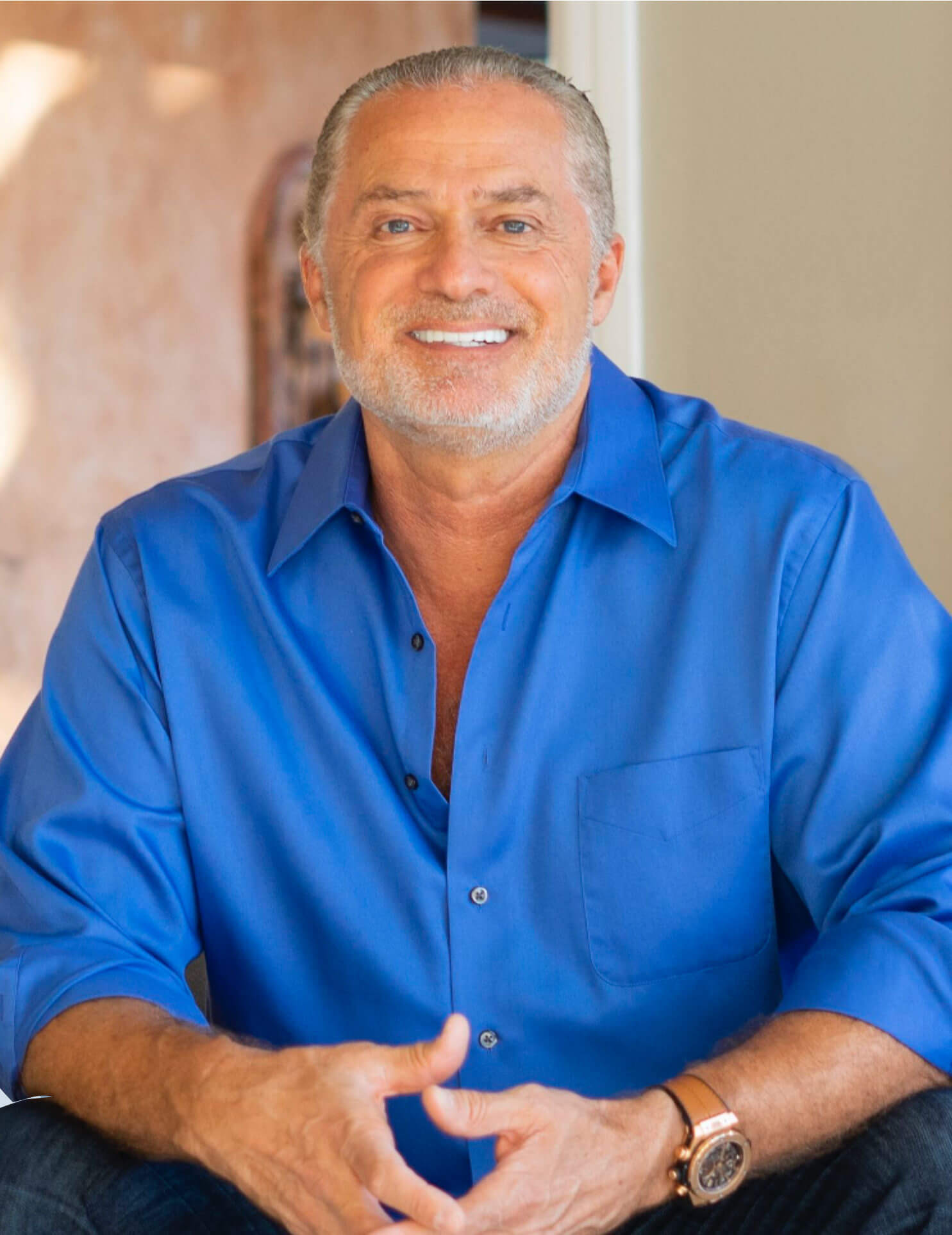
Rod Lockwood is a veteran real estate developer and the leader of the Lockwood Companies, which have developed more than 25,000 single family homes, apartments, and senior living communities. With decades of experience in land planning, construction, and large scale development, Lockwood has built projects across Michigan and played a major role in shaping housing development in the region. He is also the author of Belle Isle: Detroit’s Game Changer, a book exploring the potential transformation of Belle Isle into a major economic hub.
If you want to hear the full conversation and detailed insights, watch the podcast video or read the complete transcript below.
Freedom Cities Real Estate Development FAQ
What is freedom cities real estate development?
Freedom cities real estate development refers to large scale projects designed to create new urban environments with pro growth policies, streamlined regulations, and investor friendly tax structures. These developments aim to attract businesses, residents, and capital by reducing barriers typically associated with traditional cities. The goal is to accelerate economic growth while creating modern, efficient communities.
How do freedom cities differ from traditional real estate development?
Freedom cities differ by emphasizing reduced regulation, faster permitting, and incentives that encourage private investment. Traditional development often faces lengthy approval processes and strict zoning laws, while freedom cities are designed to remove many of these obstacles. This allows developers to move projects forward more quickly and at a larger scale.
Why are investors interested in freedom cities real estate development?
Investors are drawn to freedom cities because they offer the potential for significant returns through large scale growth and early entry into emerging markets. These developments often include mixed use components such as residential, commercial, and industrial spaces, creating multiple income streams. The combination of tax advantages and rapid economic expansion makes them especially attractive.
What types of projects are included in freedom cities developments?
Freedom cities typically include a wide range of real estate assets such as multifamily housing, office buildings, retail centers, healthcare facilities, and entertainment venues. These projects are designed to function as self contained economic ecosystems. By integrating multiple asset types, developers can create sustainable communities with long term value.
What role does government policy play in freedom cities real estate development?
Government policy is a central component of freedom cities. These developments often rely on special legislative frameworks that allow for reduced taxes, simplified zoning, and faster approvals. Public and private collaboration is usually required to establish these policies and make large scale development feasible.
Are freedom cities real estate developments risky?
Like any large scale development, freedom cities come with risks, including regulatory changes, financing challenges, and execution complexity. Because these projects are often ambitious and long term, they require significant planning and capital. However, for experienced developers and investors, the potential rewards can outweigh the risks.
How can real estate investors get involved in freedom cities projects?
Investors can participate through direct equity investments, partnerships with developers, or by investing in funds that focus on large scale development projects. Networking with developers and staying informed about emerging opportunities is key. Early involvement can provide access to the greatest upside potential.
What are the benefits of freedom cities real estate development?
The benefits include accelerated economic growth, increased housing supply, and the creation of jobs and infrastructure. For investors, these projects can offer strong appreciation, diversified income streams, and access to unique large scale opportunities. They also encourage innovation in how cities are designed and operated.
How does infrastructure impact freedom cities real estate development?
Infrastructure is critical to the success of freedom cities, as it supports transportation, utilities, and overall livability. Developers must plan for roads, public transit, water systems, and energy supply to ensure the city functions efficiently. Strong infrastructure increases the attractiveness of the development for both residents and businesses.
What should investors consider before investing in freedom cities real estate development?
Investors should evaluate the developer’s track record, the regulatory framework, and the long term economic viability of the project. Understanding the timeline, capital requirements, and potential risks is essential. Conducting thorough due diligence ensures that investors make informed decisions before committing capital.
01:20:07:26 – 01:20:30:24
Rod Khleif
Welcome back to life time cash flow through real estate investing. I’m Rod Khleif and I’m thrilled you’re here. Very interesting gentleman I’m interviewing today. His name is Rod Lockwood. So first name is easy to remember. And his hit the Lockwood Companies. His namesake companies have built over 25,000 single family homes and apartments and senior living residences, including more than 500 in Detroit.
01:20:30:26 – 01:20:51:23
Rod Khleif
And he just recently wrote a book that just went public, like four months ago called Belle Isle Detroit’s Game Changer, which is about a development anticipated development Detroit that so we’re going to dig into all sorts of things, including his development experience as well as this exciting project that he’s, looks like frontrunner. So welcome to the show, Rob.
01:20:51:23 – 01:20:55:27
Rod Lockwood
Well, thank you. Thank you for having me, rod. And just a minor correction, the book went live through weeks, oh.
01:20:55:27 – 01:21:08:21
Rod Khleif
Three weeks ago when my three weeks ago. Thank you. So, so, so you’ve been in the business a long time. You told me your son is now running Lockwood companies, but, third generation. That would be the third generation.
01:21:08:21 – 01:21:26:04
Rod Lockwood
Yeah. So I’m second, right? Wow. My father, was a single family home builder in the Detroit area and was very involved in policy, and, and, in fact, was president of the National Association of Homebuilders. Wow. Back the youngest president ever. Wow. Back in 1949. It’s a big.
01:21:26:04 – 01:21:27:02
Rod Khleif
Organization. Yeah.
01:21:27:08 – 01:21:28:19
Rod Lockwood
He’s now the housing hall of Fame.
01:21:28:19 – 01:21:29:20
Rod Khleif
So that’s cool.
01:21:29:21 – 01:21:34:08
Rod Lockwood
There was a sort of a family DNA about, you know, he was a tough act to follow, but I’ve tried to do my best.
01:21:34:08 – 01:21:38:15
Rod Khleif
Okay. So, how long did you run the company.
01:21:38:17 – 01:22:01:02
Rod Lockwood
That, had a stroke in, 84, and it, sort of decimated his company. Michigan’s been in a recession anyway, but that really sort of did it. I, took over in 1986 and started from scratch. And rather than than being in the for sale business, you know, selling homes and so forth, I concentrate on income properties.
01:22:01:03 – 01:22:07:24
Rod Lockwood
Gotcha. And, started as in the construction end of it with some clients in affordable housing.
01:22:08:01 – 01:22:10:01
Rod Khleif
Okay. In Detroit.
01:22:10:03 – 01:22:11:09
Rod Lockwood
Well, in Michigan.
01:22:11:09 – 01:22:22:28
Rod Khleif
Michigan. Okay. But affordable housing. So, you you developed it, soup to nuts. You you’ve got the raw land entitled it. All that business went through all of it.
01:22:23:02 – 01:22:23:18
Rod Lockwood
Yes.
01:22:23:18 – 01:22:31:05
Rod Khleif
Okay. And then actually, you have a, a general contracting component to your business where you’re building.
01:22:31:08 – 01:22:42:26
Rod Lockwood
Right? I started out as a AGC general contractor with some affordable housing clients and then moved into developing in that arena.
01:22:42:28 – 01:23:07:19
Rod Khleif
Gotcha. And, so in, I mean, I love the whole affordable housing conversation. Can you speak to that a little bit? Because, you know, it’s my understanding, it’s it’s difficult to get the margins that you need to be able to put these things together. Is there are there is there government assistance to help with this?
01:23:07:23 – 01:23:16:14
Rod Khleif
I mean, it’s a need all over the country. And of course, it’s exasperated in in places like Florida, you know, and other places. But what’s your thoughts on on that?
01:23:16:19 – 01:23:24:27
Rod Lockwood
Well, the, the major program is a low income housing tax credit that was enacted in October 1986.
01:23:24:27 – 01:23:25:09
Rod Khleif
Okay.
01:23:25:14 – 01:23:50:24
Rod Lockwood
Well, at the time I got going to. So, you know, it’s good timing, right? Timing was good. The, like, tech program relies upon federal tax credits. And also there’s a provision for tax exempt bond financing. So you can have actually have a marriage of the two. Well, where you can have a high tech quasi tax and bond financing on the on the debt side.
01:23:50:24 – 01:23:54:14
Rod Khleif
That makes it more profitable. Or you can where you break even and make money.
01:23:54:14 – 01:24:10:16
Rod Lockwood
Yes. But there are two levels of tax credit. There’s the 9% tax credit which says you can’t have tax amount financing. But the credit is stronger. And then you have the 4% credit, which is married with the tax and bond financing. So you have to two different levels. Yeah.
01:24:10:16 – 01:24:27:25
Rod Khleif
And in in that light tech program, we we had a property that we bought and I, I wasn’t involved in it. So I don’t know any of the detail, but I know that, you know, you have to maintain particular rent parameters based on, I assume, the income of the residents that come across your your darken your doorstep.
01:24:27:25 – 01:24:37:01
Rod Lockwood
Yeah. Correct. There’s a income limitation. So your residents can’t make more than that a certain amount. And then there’s a rent to income ratio that you can’t charge more to the city.
01:24:37:08 – 01:24:38:04
Rod Khleif
Okay.
01:24:38:06 – 01:24:40:13
Rod Lockwood
And so the rent income ratio is based upon the upper limit.
01:24:40:17 – 01:24:58:03
Rod Khleif
And so you did this for quite a while, but a lot of units, it sounds like. Yeah. And then you also did some senior housing. Actually, I’m actually bought my first assisted living up in Pittsburgh. Not too far from you. And, and not a market I would normally go to, but the demographics look really good, so. But that’s that’s a real push for us now as well.
01:24:58:04 – 01:25:05:22
Rod Khleif
Besides multifamily is is senior housing. So what, are you still building or.
01:25:05:26 – 01:25:20:17
Rod Lockwood
Yeah. Yeah, we’re, we have, three, I would say 2 or 3 projects under construction at the moment. Okay. One of them is, to the latest one is 295 unit affordable just outside of Ann Arbor.
01:25:20:19 – 01:25:21:21
Rod Khleif
Oh, yeah. Good market.
01:25:21:21 – 01:25:28:10
Rod Lockwood
And then, we got a couple other seniors that are, one is in lease up, and two of them actually at least have one just,
01:25:28:12 – 01:25:31:11
Rod Khleif
Senior facilities, independent living or assisted living?
01:25:31:13 – 01:25:33:21
Rod Lockwood
Independent living with a lot of services.
01:25:33:21 – 01:25:45:03
Rod Khleif
Gotcha. Nice, nice. Yeah. I’m going to the NYC conference, here in Nashville in just a short few weeks here. And, talk to operators. And do you operate the senior living as well?
01:25:45:03 – 01:25:50:03
Rod Lockwood
Yeah. Right. So yeah, we have all three elements of process development, construction and management and the management.
01:25:50:04 – 01:26:00:24
Rod Khleif
Wow. Fantastic. Yeah. Ann Arbor, my first interview was, Oh, God. I’m having a brain fart on the McKinley corporate album as well.
01:26:00:25 – 01:26:07:23
Rod Lockwood
Barrett’s. And, and, he had a home run. Weezer. Yeah. Run. Weezer is sort of the owner of McKinley property ring.
01:26:07:24 – 01:26:09:08
Rod Khleif
McKinley. Yeah. McKinley Corporation.
01:26:09:08 – 01:26:09:28
Rod Lockwood
Yeah, yeah.
01:26:10:02 – 01:26:27:01
Rod Khleif
Oh, he was my first interview. And it’s really funny. Just as an aside, I think he’s a billionaire, but, he, an hour into the into the interview, I realized I forgot to hit the record button. Oh, my God, it was a nightmare. But he was so gracious. He’s he’s been on the show a couple times.
01:26:27:01 – 01:26:52:25
Rod Khleif
Spoke to my mastermind. Very nice guy, very intelligent guy. But, yeah, Ann Arbor. So. So, so you’ve got projects going right now. So, just to drill down a little bit because I’ve got students that do some development. Not to your scale at all, but, you know, building, senior housing, industrial flex space and even some multifamily, some multifamily, hotel to multi conversions.
01:26:52:28 – 01:27:03:04
Rod Khleif
You know what, what are some of the, maybe some words of wisdom you can give for somebody that might want to do that. That might want to get into some, you know, development.
01:27:03:12 – 01:27:23:00
Rod Lockwood
Well, I would say if let’s say when you’re working on your Excel spreadsheet. Right. Okay. That, be careful. But when the, the debt service coverage, of course, is the parameter the most lenders use and a lot of investors use and so forth. But I think there’s a parameter that we use which is an improvement upon that.
01:27:23:06 – 01:27:27:28
Rod Lockwood
Okay. And that is debt service coverage divided by the expense ratio.
01:27:28:01 – 01:27:29:06
Rod Khleif
Divided by the.
01:27:29:06 – 01:27:32:27
Rod Lockwood
Ratio. The expense ratio expense being up, the operating expenses.
01:27:32:29 – 01:27:37:10
Rod Khleif
Gotcha. Oh no I know yeah, I know it is, but I’m just trying to trying to work my head around that.
01:27:37:10 – 01:28:01:29
Rod Lockwood
Okay. As an example, let’s say you have a 1.20 service, right? Okay. And you have a multifamily property that typically might be a 0.40 or 40% expense ratio. That’s a certain level of risk. And and the return of course is whatever its per warrant it be. Now let’s take a senior property or something with a high expense ratio because you have a lot of services.
01:28:01:29 – 01:28:07:02
Rod Lockwood
So expense ratio might be 80%. Right. That’s a much riskier project.
01:28:07:04 – 01:28:07:17
Rod Khleif
Gotcha.
01:28:07:17 – 01:28:08:16
Rod Lockwood
Than the 40%.
01:28:08:16 – 01:28:24:02
Rod Khleif
So you’re looking at the expense ratio as one of your metrics for for a risk. Gotcha. Well, I’ll tell you, multifamily in my portfolio that the expense ratio is I teach I used to teach a 50% average expense ratio. I teach 60 now because everything’s gone up. I mean, it’s crazy.
01:28:24:02 – 01:28:27:26
Rod Lockwood
It is. Electric costs and water and sewer.
01:28:27:27 – 01:28:51:08
Rod Khleif
Right, right. And and and payroll. I mean, I’ve got some maintenance supervisors at 40 bucks an hour, and it’s crazy, know, it’s really gone up a lot. Do you think there’s still, an opportunity in the affordable housing scenario for for a developer to come in? I mean, you probably need to have somebody with some experience that knows what they’re doing to get around some.
01:28:51:10 – 01:28:53:13
Rod Khleif
But is there still an opportunity there? Yeah.
01:28:53:16 – 01:29:01:24
Rod Lockwood
There are opportunities. It’s, the barriers to entry are oftentimes the tax credits are allocated on a competitive basis.
01:29:01:24 – 01:29:02:29
Rod Khleif
I see and.
01:29:03:02 – 01:29:04:18
Rod Lockwood
Experience in the industry.
01:29:04:18 – 01:29:24:28
Rod Khleif
Matters. Matters. Yeah. Got it right. Okay. Okay. Well let’s shift gears okay. While okay. So you’re in Detroit. I kind of dog Detroit sometimes because, you know, it’s it’s had a lot of ups and downs and and but it’s on the way up for sure. You know well I hope I, I’ve, I’ve heard about that. Also that big mortgage company is pumped some money in.
01:29:24:28 – 01:29:30:07
Rod Lockwood
Yeah, it’s a yes. The I got say,
01:29:30:09 – 01:29:31:16
Rod Khleif
What’s the name of that mortgage company?
01:29:31:17 – 01:29:32:06
Rod Lockwood
Rocket mortgage.
01:29:32:06 – 01:29:38:25
Rod Khleif
That’s it. Right? Right. Yeah. Big one. Yeah. Yeah. Yeah. Okay. Yeah. So. So anyway, I mean, you see, you know, you see some of the.
01:29:38:28 – 01:29:40:01
Rod Lockwood
Dan Gilbert that’s.
01:29:40:01 – 01:30:01:13
Rod Khleif
It. That’s the older you got it. Yeah. But you see some of the you know I mean it’s gone through some some rough times of you know population decreasing things like that. But but you know, it’s got good bones and, and and of course, you know motor what is the, impact of, the car manufacturing industry on, on Detroit.
01:30:01:18 – 01:30:10:19
Rod Khleif
Sure has been significant, but you’ve got this piece of land that’s like, right on the island in between. We describe it. Just describe it.
01:30:10:22 – 01:30:19:17
Rod Lockwood
Yeah. Bell Island is a, historically a park. Okay. Turned into a park in late 1800s, owned by the city of Detroit.
01:30:19:21 – 01:30:20:09
Rod Khleif
Okay.
01:30:20:11 – 01:30:39:06
Rod Lockwood
When Detroit went into bankruptcy in 2013, coming out of 2015, it didn’t have the money to maintain the park. Oh, so it entered into a, arrangement with the state of Michigan, where it turned it over to become a state park. Okay, so Michigan maintains it. It’s the largest state park in the in the state.
01:30:39:09 – 01:30:44:26
Rod Khleif
Oh it is. Yeah. Wow. Oh, wow. That’s that’s okay. That island is that is the largest state park.
01:30:44:26 – 01:30:47:19
Rod Lockwood
Interesting. It’s a it’s a thousand acre island.
01:30:47:19 – 01:30:48:28
Rod Khleif
Okay, okay. Okay.
01:30:49:00 – 01:30:55:11
Rod Lockwood
So Michigan, right now it’s a 30 year lease with the state. It’s about near ten and 30.
01:30:55:13 – 01:30:56:27
Rod Khleif
Okay.
01:30:56:29 – 01:31:04:29
Rod Lockwood
It is underutilized. And anybody who goes on there could say, yeah, it’s nice park, but it’s far bigger than the park that’s being used.
01:31:05:02 – 01:31:06:00
Rod Khleif
Gotcha.
01:31:06:02 – 01:31:32:21
Rod Lockwood
Back in the, I’ve always had the idea in the back of my head, but back when in the 2024 election cycle, Donald Trump did a video about how there needs to be ten freedom cities in the country using federal land to turn these heavy cities to have a large degree of autonomy, to make some of their own rules and taxes and regulation.
01:31:32:24 – 01:31:33:22
Rod Lockwood
And,
01:31:33:25 – 01:31:35:08
Rod Khleif
Sounds like a good idea. Yeah.
01:31:35:08 – 01:31:40:19
Rod Lockwood
Right now, Belle Isle is not federal land, but it is government.
01:31:40:21 – 01:31:41:04
Rod Khleif
Gotcha.
01:31:41:11 – 01:31:56:12
Rod Lockwood
Owned by there. Gotcha. Okay, so, yes, I know I wrote the book, which is a story about how Belle Isle could become if given the, entitlements. Gotcha.
01:31:56:12 – 01:32:07:09
Rod Khleif
Right. If given the entitlements and getting the support of right political leaders and investors and everything else to put this thing together. Yeah, it’s beautiful rendering here of, you know, what you would do there.
01:32:07:11 – 01:32:10:10
Rod Lockwood
You turn it over, you see the, Oh, yeah. The downtown area.
01:32:10:11 – 01:32:23:28
Rod Khleif
Very nice. Very nice. Yeah, yeah. So. So you wrote the book to bring attention to the potential for this massive. It would be a massive development, but, yeah. Very exciting development, for sure.
01:32:24:02 – 01:32:31:09
Rod Lockwood
Yeah. In the, in the end, I’ve done a lot of casting on this, but it would be a five $0 billion.
01:32:31:12 – 01:32:37:23
Rod Khleif
50 billion, 50 billion. Yeah. Well, so that’s exciting. And probably everything under the sun there, you know. Right.
01:32:37:26 – 01:32:48:24
Rod Lockwood
Oh yeah. Well, 50,000 people, right. So I mean, to have over 100 restaurants or, Wow. Medical center. I have everything that, Wow. City that size.
01:32:48:29 – 01:32:54:20
Rod Khleif
So how’s the interest been? I, you know, is that have you have you garnered any interest as a.
01:32:54:26 – 01:33:20:00
Rod Lockwood
Yeah, we’re very early in the process. We are, say the book went live about three weeks ago. Okay. The, one of the interesting things about this is, as I was talking to people, writing the book and so forth, so on, there’s a way you can have a lot of opposition from, Detroiters going, don’t take our jewel away, you know, don’t take this park away from us and all that.
01:33:20:02 – 01:33:28:19
Rod Lockwood
So I commissioned a, a pollster, a national pollster, to do a poll of Detroiters and of Michiganders both.
01:33:28:19 – 01:33:29:12
Rod Khleif
Okay.
01:33:29:15 – 01:33:49:04
Rod Lockwood
And I expected that this is going to define the Hill that I would need to climb right. I was shocked and a good in a good way with a poll came back. The Detroiters want this. I want this development. They want it. I have 41% net margin. Wow. Approval or disapproval. Wow. And the key being the job creation.
01:33:49:10 – 01:33:52:26
Rod Khleif
Yeah, sure. Economic impact? Sure. Unbelievable impact.
01:33:52:29 – 01:33:58:01
Rod Lockwood
Even Michiganders and in the majority I’ve never heard of it. Even Michiganders were positive.
01:33:58:04 – 01:34:05:24
Rod Khleif
Yeah it’s a no brainer. It’s not you know, it’s not like your next door to anything that’s going to be impacted. You’re not going to have neighborhood resistance.
01:34:05:28 – 01:34:07:14
Rod Lockwood
It’s not it’s not. All you’re doing.
01:34:07:14 – 01:34:12:22
Rod Khleif
Is bringing in economic activity. Hello. Yeah, that’s a no brainer. Yeah okay.
01:34:12:28 – 01:34:16:08
Rod Lockwood
Yeah. There’s no disruption, no relocation and none of that stuff.
01:34:16:14 – 01:34:29:25
Rod Khleif
So the book kind of defines, it does. The book. I know it’s a fictional book. Right. But it it kind of brings a story to this development. Yeah. As if it were completed ultimately or something.
01:34:29:25 – 01:34:31:12
Rod Lockwood
Yeah, it was almost completed in the book.
01:34:31:12 – 01:34:48:19
Rod Khleif
Okay. It’s almost complete in the book. Well very cool. Yeah. And thank you for a copy, by the way. But so, so, do you have any lines in the sand or any ideas when something might start with this? I mean, this is going to be a decade long project or longer. Yeah.
01:34:48:19 – 01:34:59:03
Rod Lockwood
Well, I would hope that the entitlement process doesn’t take more than a couple of years. Okay. You know, okay. First, I’m spending a lot of time in DC right now.
01:34:59:04 – 01:35:00:04
Rod Khleif
Are you meeting.
01:35:00:04 – 01:35:10:26
Rod Lockwood
With congressional representatives, U.S. senators? So I’m pitching the idea right to, how it will save or bring Detroit back.
01:35:11:01 – 01:35:12:15
Rod Khleif
Oh, yeah. It’s huge.
01:35:12:15 – 01:35:12:29
Rod Lockwood
Yeah.
01:35:13:01 – 01:35:17:29
Rod Khleif
Detroit 40 billion put into the economy. And Detroit would be, earth shattering.
01:35:17:29 – 01:35:23:14
Rod Lockwood
Yeah. And the job creation, both the, both the jobs on their own and then the spillover effect.
01:35:23:15 – 01:35:30:08
Rod Khleif
Sure. Oh, there’s all sorts of supporting, you know, supporting businesses that benefit from from that project.
01:35:30:11 – 01:35:43:24
Rod Lockwood
Yeah, we would market, worldwide to bring people to live on the island. If you live on the island, you have the benefits of, of of, the taxes and regulatory structure. I think that the market.
01:35:43:24 – 01:35:53:24
Rod Khleif
Okay, hold on, hold on. Let me stop you there. Okay. So what are you going to try to do there as far as taxes and regulatory structure? That’s a benefit to a potential new resident okay.
01:35:53:24 – 01:35:59:14
Rod Lockwood
The tax structure and the regulatory the tax structure has to align with just human.
01:35:59:16 – 01:36:00:17
Rod Khleif
Nature okay.
01:36:00:18 – 01:36:07:14
Rod Lockwood
Okay. So if you want people to come and be productive right. Work okay. Don’t tax work.
01:36:07:17 – 01:36:08:03
Rod Khleif
Right okay.
01:36:08:06 – 01:36:09:28
Rod Lockwood
Tax income. Wow okay.
01:36:09:28 – 01:36:11:13
Rod Khleif
So that’s what you’re trying to set up here right.
01:36:11:14 – 01:36:21:28
Rod Lockwood
Wow. Do you want you want an investment to happen. Don’t tax investment. So the basic taxation. So of course you have to have taxes. You have to run the city. Right.
01:36:21:28 – 01:36:27:07
Rod Khleif
Right. Well I was just going to say how do you how how are you going to appeal to the government to, to not have taxes on those do things?
01:36:27:08 – 01:36:47:03
Rod Lockwood
Well, because we’re going to put together a laboratory of how to be successful. How government can be successful. And this will be it though I was big enough to be a laboratory, but yet not big enough to drain resources.
01:36:47:05 – 01:36:57:18
Rod Khleif
But it might shine a spotlight on on the horrible jobs that’s been done up to that point. But you know, you may you may have that as a hurdle. But yeah, well, but I love the idea, man. Love the idea.
01:36:57:25 – 01:37:25:03
Rod Lockwood
Well, well, the, the, here’s another part of the idea that, might be of interest that I propose the bill. I would have a land tax only. Okay, so the reason for that is you want to incentivize people to improve the land. Put buildings on, right? Have density and so forth. So if you’re going to tax the improvements, that’s a disincentive, right?
01:37:25:03 – 01:37:34:06
Rod Lockwood
What what benefit does government give to you, the owner of the property, whatever. Well, the benefit is saves safe and clean streets or garbage cans. You’ve got to.
01:37:34:06 – 01:37:37:02
Rod Khleif
Have you’ve got to have some infrastructure, you know. Right, right.
01:37:37:03 – 01:37:48:20
Rod Lockwood
I mean, maintain the evidence structure and so forth. Right. But the government doesn’t have any direct interest or risk in the building itself. Your building burns down. They don’t. Government doesn’t reply.
01:37:48:20 – 01:37:49:20
Rod Khleif
Right, right, right.
01:37:49:20 – 01:37:55:04
Rod Lockwood
Okay. So you and your insurance company are the risk takers, right? So don’t tax the improvement. Just take our.
01:37:55:04 – 01:37:55:29
Rod Khleif
Land, okay?
01:37:56:07 – 01:37:57:28
Rod Lockwood
Yeah. All right. That’s part of the deal I.
01:37:57:29 – 01:38:19:28
Rod Khleif
Okay, okay. Well, guys, just so you’re listening, if you’re wondering why I’m having this type of a conversation on the show, it’s just around thinking outside the box and thinking about, you know, looking at a piece of land or looking at a project and and putting your thinking cap on, on how you might turn it into something. And that’s what Rod’s done here.
01:38:19:28 – 01:38:42:06
Rod Khleif
And, and, and and that’s a very common dynamic in commercial real estate. Like I was mentioning, I’ve got students that are doing hotel conversions, you know, and different types of things. And if you can become a problem solver and think outside the box and look at what’s something could be, success is inevitable. And so, that’s why I think this is a very valuable conversation.
01:38:42:09 – 01:39:01:02
Rod Khleif
And this is, this is like an extreme example of that thought process, you know, $40 billion, project. But, you know, you can do this with a street corner or you are you can do what’s called an assembly where you put some different parcels together to, to, to add value that are worth more combined than they are individually.
01:39:01:02 – 01:39:17:03
Rod Khleif
So there’s a lot of, you know, opportunity if you can look at something and, and figure out how to configure it, take advantage of tax and grant tax benefits and grants and things of that nature. Now you’ve been doing this for years, which is why you could take a look at something like this. Yes.
01:39:17:07 – 01:39:24:27
Rod Lockwood
Right. And what I might add is this would be totally private, right? Privately funded. Right? No government assistance, right? No government money.
01:39:24:27 – 01:39:27:27
Rod Khleif
Oh, no kidding. So you planned it. You plan to fund this privately? Told.
01:39:28:00 – 01:39:40:15
Rod Lockwood
Okay, well, and it can be done. Sure. So once we get the entitlements, with the right tax structure and regulatory structure, we can we can sell residency all over the world.
01:39:40:16 – 01:39:49:22
Rod Khleif
Oh, sure. And, and and sell investors on the investor. You have, you have that’s set up with with what you just described. That’s a very attractive investment opportunity.
01:39:49:22 – 01:40:12:03
Rod Lockwood
So yeah, I think part of our market when we, get the entitlement to market, this will be the entrepreneurial, the entrepreneur, some other part of the world who has tested their product. And it’s been successful in his or her market and now wants to get into the world’s largest economy and sort of in the center of it.
01:40:12:06 – 01:40:25:22
Rod Lockwood
Detroit is not too far off the economic center point north. Correct? Correct. So, coming to well, I’ll live there, build your plant across that river because the land and Bill, I’ll be too expensive. Right.
01:40:25:27 – 01:40:27:01
Rod Khleif
But there’s a lot of land.
01:40:27:01 – 01:40:31:20
Rod Lockwood
Right. Well, on a very low, uninhabited, low cost land right in Detroit. Sure.
01:40:31:21 – 01:40:50:16
Rod Khleif
And that’s a hell of a pitch right there. I got to tell you, I think it’s got it’s got legs. That’s very interesting. Well, listen, rod, I really appreciate you coming down. Fascinating project. I’m, I’m I’m I hope I get to see you break ground on this thing and actually make it happen, but, it’s a pleasure to meet you.
01:40:50:16 – 01:40:53:00
Rod Khleif
And, you know, like I say, good luck with this.
01:40:53:04 – 01:40:55:16
Rod Lockwood
Well, Rod, when it happens, you’ll be invited to be there.
01:40:55:17 – 01:40:58:08
Rod Khleif
I appreciate that. Thank you. Well, thank you for having me. You bet.
01:40:58:09 – 01:41:15:05