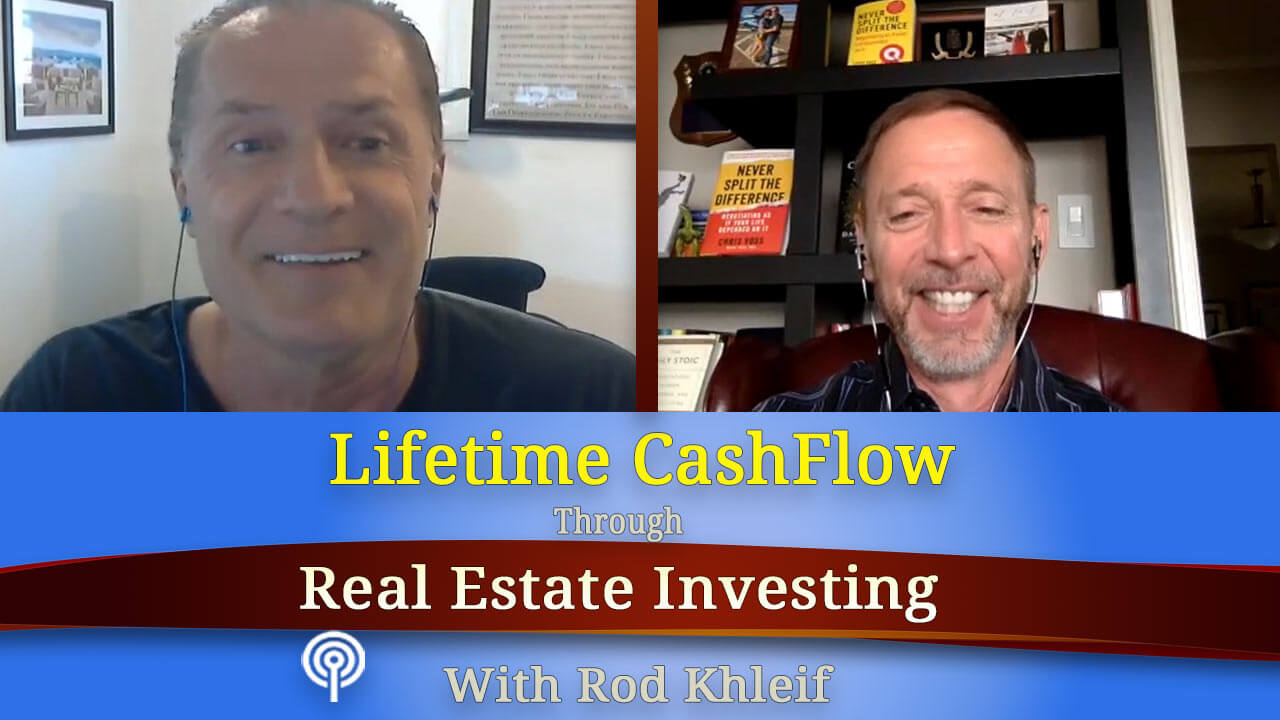
Why Distressed Senior Housing Investing Is Gaining Momentum
Distressed senior housing investing is emerging as one of the most compelling opportunities in commercial real estate as demographic trends continue to drive long-term demand. In this episode of Multifamily Rockstars, Ali Choucri explains why experienced investors are shifting their attention from traditional multifamily properties to senior living communities where operational improvements and occupancy gains can create significant value. With millions of Baby Boomers entering retirement, the need for quality senior housing continues to increase while many facilities remain underperforming due to operational inefficiencies rather than poor real estate fundamentals.
Ali shares how investors who understand both real estate and operations can capitalize on these opportunities by acquiring distressed properties at attractive pricing and repositioning them through stronger management, improved marketing, and better resident experiences.
Why Senior Housing Offers Unique Investment Opportunities
Unlike traditional apartment investing, senior housing combines real estate ownership with specialized business operations. Ali explains that his team focuses on middle-market private pay communities offering independent living, assisted living, and memory care while avoiding skilled nursing facilities.
Several factors make distressed senior housing investing attractive:
- Growing demand driven by aging demographics
- Lower competition than traditional multifamily investing
- Opportunities to acquire distressed assets below replacement cost
- Significant upside through operational improvements instead of relying solely on rent increases
Rather than chasing luxury developments or government-funded facilities, Ali’s team targets communities where better management can dramatically improve occupancy and financial performance.
How Operators Create Value in Distressed Senior Housing
One of the biggest takeaways from the conversation is that successful distressed senior housing investing depends on operational excellence far more than cosmetic renovations alone.
Ali explains that his firm’s strategy includes:
- Reducing unnecessary operating expenses without sacrificing resident care
- Improving sales, marketing, and referral systems
- Renovating common areas and resident units
- Increasing occupancy before implementing rate increases
- Partnering with experienced senior housing operators who understand compliance and daily operations
This operational focus allows investors to improve both resident satisfaction and property performance while creating long-term value.
Why Senior Housing Requires Specialized Expertise
Throughout the discussion, Rod and Ali emphasize that senior housing is fundamentally different from multifamily investing. Communities require licensed operators, trained staff, healthcare coordination, ongoing regulatory compliance, and a much higher level of operational oversight than conventional apartment properties.
The conversation also explores why finding the right operating partner is often more important than finding the property itself. Investors cannot simply purchase a facility and hire management later. Success depends on experienced operators who understand staffing, resident care, licensing requirements, inspections, and risk management.
Lessons From Today’s Senior Housing Market
Ali discusses how many attractive acquisitions became available following the challenges created by the COVID-19 pandemic. Lower occupancy levels placed financial pressure on many owners, creating opportunities for well-capitalized investors to purchase quality assets at discounted pricing.
Rather than pursuing expensive ground-up development projects, Ali believes current market conditions favor acquiring existing facilities below replacement cost and repositioning them through operational improvements. This strategy provides investors with stronger downside protection while allowing them to benefit from the long-term demographic trends supporting senior housing.
Capital Raising and Building Relationships
Beyond acquisitions, Ali highlights the importance of capital raising and relationship building in commercial real estate. He describes his greatest strength as connecting people, whether introducing business partners, investors, or strategic relationships that benefit everyone involved.
His experience in investment banking, brokerage, and private equity gives him a unique perspective on evaluating opportunities while communicating effectively with investors. He explains that successful capital raising is ultimately about creating mutually beneficial relationships built on trust and transparency.
The Mindset Behind Long-Term Success
Ali also shares how his perspective on mindset evolved throughout his investing journey. Initially skeptical of personal development, he eventually realized that confidence, presence, and authentic relationships often produce greater results than technical knowledge alone.
He explains that becoming more present in conversations, focusing on serving others instead of impressing them, and approaching business with genuine curiosity transformed both his professional relationships and investing success. Rod reinforces this philosophy, emphasizing that psychology and mindset are often the biggest drivers of long-term achievement in commercial real estate.
About Ali Choucri
Ali Choucri is a commercial real estate investor, capital raiser, and broker with a background in investment banking and finance. After beginning his career analyzing institutional real estate investments, he transitioned into brokerage, multifamily investing, and private equity. Today, he works with a Boston-based investment firm specializing in distressed senior housing acquisitions while also remaining active in capital raising and condominium conversion projects.
If you want to hear the full conversation and detailed insights, watch the podcast video or read the complete transcript below.
Frequently Asked Questions About Distressed Senior Housing Investing
What Is Distressed Senior Housing Investing?
Distressed senior housing investing is the strategy of purchasing underperforming senior living communities at discounted prices and increasing their value through operational improvements, renovations, better management, and higher occupancy. Investors often focus on assisted living, independent living, and memory care facilities that have strong long term demand but require repositioning.
Why Is Distressed Senior Housing Investing Attractive?
Distressed senior housing investing offers investors the opportunity to acquire properties below replacement cost while benefiting from growing demand driven by an aging population. By improving operations and occupancy rather than relying solely on rent increases, investors can create significant value and potentially generate strong long term returns.
How Is Distressed Senior Housing Different From Multifamily Investing?
Unlike traditional multifamily investing, distressed senior housing investing requires specialized operators, licensed staff, healthcare oversight, regulatory compliance, and resident care services. Success depends on both real estate expertise and experienced operational management.
What Types of Senior Housing Properties Do Investors Target?
Many investors focus on private pay independent living, assisted living, and memory care communities. These property types often provide opportunities to improve occupancy, resident experience, and operational efficiency while avoiding the additional complexity associated with skilled nursing facilities.
Why Are There So Many Distressed Senior Housing Opportunities?
Many senior housing communities experienced occupancy declines following the COVID 19 pandemic, creating financial challenges for owners. Rising operating costs, management inefficiencies, and increased labor expenses have also contributed to distressed acquisition opportunities for experienced investors.
How Do Investors Add Value to Distressed Senior Housing Communities?
Value is typically created by improving marketing, increasing occupancy, upgrading resident units and common areas, controlling unnecessary expenses, strengthening referral relationships, and partnering with experienced senior housing operators who can improve daily operations without sacrificing quality of care.
Is Senior Housing Investing a Good Long Term Investment?
Many investors view senior housing as a strong long term investment because demographic trends continue to increase demand for quality senior living communities. As the Baby Boomer generation ages, the need for assisted living, memory care, and independent living is expected to grow for decades.
What Should Investors Look For Before Buying a Distressed Senior Housing Property?
Investors should carefully evaluate occupancy levels, financial performance, market demand, staffing, regulatory compliance, deferred maintenance, local demographics, and the experience of the operating partner. Thorough due diligence is critical because operational performance has a direct impact on investment success.
Do You Need an Experienced Operator for Distressed Senior Housing Investing?
Yes. One of the most important factors in distressed senior housing investing is partnering with an experienced operator who understands licensing requirements, staffing, resident care, compliance, and day to day management. Strong operations are often the key difference between a successful investment and an underperforming asset.
Who Should Consider Distressed Senior Housing Investing?
Distressed senior housing investing may appeal to accredited investors, real estate syndicators, private equity firms, and experienced commercial real estate professionals seeking diversification beyond traditional multifamily properties. Investors who understand operational value creation and long term demographic trends may find the sector especially attractive.
00:00:28:23 – 00:00:50:23
Rod
Welcome back to Multifamily Rockstars. So as you guys know, this is where we interview people that are just killing it in this business, number one. And we dive deep into their deals and you know, try to give you some practical and actionable items for getting started and, and doing your first deal. Now this this, interview is a little bit different because we’re going to talk about a different asset class that I’m actually very interested in.
00:00:51:00 – 00:01:06:11
Rod
In fact, I was just telling my guest here who’s a warrior on our and our warrior program, that, you know, I’m, I had four calls on this particular asset class this week, and I’ve got another one tomorrow. And in the asset class is senior housing and senior living, assisted living and so on and so forth.
00:01:06:11 – 00:01:24:06
Rod
And so anyway, we’ve got all these sugary free. And today he’s an Egyptian-American. You know, I’m half, Arabic myself. So we’ve got that in common. And, he’s a broker. He’s been in the real estate business quite a bit and, very excited to get, get to know him and, spend some time in this asset class.
00:01:24:06 – 00:01:25:24
Rod
Welcome to the show, brother.
00:01:26:01 – 00:01:29:23
Ali Choucri
Thank you. Ron, it’s it’s great to be here. It’s good to see you. It’s good to see you, Mark. Thank you.
00:01:30:00 – 00:01:41:17
Rod
Likewise. Likewise. So. So why don’t you give us a little background? You know, maybe what you did before real estate, then the real estate just kind of give us a high level overview of your background. If you would.
00:01:41:19 – 00:02:02:23
Ali Choucri
Sure. My family is Egyptian, and I was born in New York City. My dad was working there when I was around 11 or 12. He decided to move back to Egypt to start a company. So my story was a lot of back and forth between the US and Egypt, mainly New York City. But I went to college and school in different parts of the US as well.
00:02:03:00 – 00:02:27:16
Ali Choucri
I, studied English in college, you know, got a B.A. in English literature. That was a passion thing. And but when it was time to graduate, I got nervous, you know, can I, can I make a living from this? And, I ended up going into finance and I stayed in finance, and, you know, I was an analyst and investment banking, in New York and then in Egypt, and, for about ten years.
00:02:27:18 – 00:02:48:15
Ali Choucri
And then I took some time off to pursue creative projects. I went to grad school, moved to Boston in 2013, and that’s when I started getting involved in real estate. And I had been involved in real estate and finance in a more institutional capacity, you know, doing valuations on reeds and hotels and things like that.
00:02:48:15 – 00:03:08:17
Ali Choucri
But I got involved with real estate in Boston on a more personal level of going to the property myself and walking through and not just looking at it in a spreadsheet. And I started in brokerage and did a bunch of things in brokerage, which was a blessing and also a curse in terms of trying to tackle too much.
00:03:08:19 – 00:03:29:20
Ali Choucri
You know, along the way I’ve done, flips and bought smaller multifamily. And where I am now is is helping raise capital and and manage deals for, private equity firm out of Boston that has a background in multifamily but has pivoted, very strongly into senior housing. As of the last few years.
00:03:29:22 – 00:03:56:03
Rod
Very nice, very nice. You know, what’s interesting about you, Ali, is you’re obviously very analytical. If you were, you know, buried in spreadsheets and finance and all that, but but to get into brokerage from that is, is is is a complete pivot, personality pivot because you’re in sales. So, you know, that’s, you really have, strengthen in both of those, areas, which isn’t which isn’t common, honestly, usually it’s one or the other.
00:03:56:05 – 00:04:17:23
Rod
So, so that’s fantastic. And so one of the questions that we asked you that that, appreciate you answering, in in advance is, you know, what’s your superpower as it relates to this business? Because that’s the reason I brought that up. It’s obviously you’re you’re very analytical, but you’re always you’re also a great communicator. So please answer that question.
00:04:18:00 – 00:04:39:24
Ali Choucri
As it relates to commercial real estate. I would say capital raising, but as it relates to just relationships in general, I would say connecting people. I happen to love connecting people. There are people in the world that are married because I introduce them, that are business partners, because I introduce them. And I sort of look at capital raising as a as a similar thing.
00:04:39:24 – 00:04:45:22
Ali Choucri
You know, you’re bringing one party and introducing them to another for something that’s mutually beneficial.
00:04:45:24 – 00:05:08:05
Rod
Yeah. Well, I’ll tell you something. You know, there are networkers and what I call super networkers. And in my opinion, what you’re talking about is super networking because the super networker meet somebody, finds out they have a need to meet someone else that they believe will satisfy that need and connects them and I will tell you, that is an absolute recipe for success.
00:05:08:05 – 00:05:29:10
Rod
And, and, you know, we’ve all met people like that. It sounds to me like that’s kind of the really what it is you do when you connect people. That’s what we’re talking about here. So that’s fantastic. So let’s talk about, you know, we want to dig into a deal. Let’s talk about because we, you know, that’s what we try to do on these episodes is really get more granular on on a deal.
00:05:29:12 – 00:05:36:04
Rod
So, what what’s the deal that, that you’re going to talk about today? Describe the deal, if you would.
00:05:36:06 – 00:06:05:11
Ali Choucri
It’s, 196 unit, senior living facility in Long Island, New York. That I was involved with, it’s pretty typical of what we look at, Cougar Capital. Okay. At the moment, we’re looking at distressed deals. Deals in senior housing that have, high vacancy that that might be running a loss. You know, on an annual basis, that might be mismanaged.
00:06:05:11 – 00:06:22:03
Ali Choucri
And, and the ownership is looking to let them go, and, that’s where we, have our strengths. We’re able to go in and reposition, an acquired and attractive basis and, and create value and, and also raise the standard of living at these facilities.
00:06:22:05 – 00:06:25:18
Rod
Let me ask you a question. What states are you in?
00:06:25:20 – 00:06:38:16
Ali Choucri
Kansas. Kentucky. We’re looking in Missouri, New York, Massachusetts. We’re looking in New Hampshire, I would say northeast and Midwest, predominantly interesting.
00:06:38:18 – 00:07:01:11
Rod
Okay. And, just a question, because this is the topic I actually know quite a bit about, as I was saying, I, I don’t know if I did this before or after we started recording. I actually got my, senior living or assisted living administrator’s license here in Florida a lifetime ago. I did a three day course, learned about, you know, all the dangers and pitfalls and, and and things that you need to know.
00:07:01:11 – 00:07:17:09
Rod
And so I know quite a bit more enough to be dangerous. And and again, it’s something I’m very interested in. You know, there’s a silver tsunami right now. There’s 80 million baby boomers getting old. And candidly, I think there’s going to be a real crisis in this country. I’m sure you agree with senior housing in general. There’s a huge need.
00:07:17:11 – 00:07:33:14
Rod
And, and so my question, my question and so these questions may be a little more advanced than, than we’d planned on for this show, but I just for my own edification, do you manage yourself? Are you, vertically integrated as far as the actual management, or do you third party manage?
00:07:33:16 – 00:07:48:00
Ali Choucri
We, we are the capital side, and, we’re aligned with an operating partner. Okay. And there a senior living operator that, that work alongside us on every deal. But but it is a separate company.
00:07:48:02 – 00:08:12:16
Rod
Gotcha, gotcha, gotcha. Fair enough. So talk. Okay, so you like distressed assets, as do I. What? Talk about, the what segment you focus on because there’s extremely expensive stuff. Then, of course, there’s the Medicare, Medicaid, government programs. And I, I remember going into one of those Medicare, I forgot it was Medicare Medicaid that pays that.
00:08:12:16 – 00:08:36:20
Rod
But but I remember going into one of those facilities, and you could just smell urine the minute you walked in. You just see these people. They look miserable and horrible. And I just got really you dismayed by the quality of the care in one of these government subsidized, facilities? What segment do you focus on? And maybe you can speak to what I just described a little bit as well.
00:08:36:22 – 00:09:07:23
Ali Choucri
Sure. We do middle market private pay. So we’re looking at facilities that are independent living, assisted living and memory care. We don’t do, skilled nursing facilities. That’s, that’s a little bit different. And we’re, we’re private pay. So we’re not doing the the Medicare, Medicaid. Model. Okay. You know, I haven’t seen those, although I, we’ve toured a luxury one that, you know, and that’s sort of a different class as well.
00:09:08:00 – 00:09:24:04
Rod
Yeah, yeah, the luxury stuff. I mean, you see stuff where they’ve got spores and all sorts of things, you know, and, and it incredibly expensive. What’s the price point of the facilities that you like to target? As far as, like a monthly fee for the residents.
00:09:24:06 – 00:09:26:13
Ali Choucri
I would say 4 to 6000.
00:09:26:15 – 00:09:53:05
Rod
Okay. Wow. That’s actually very reasonable. From what I’ve heard. I mean, I’ve heard a lot more than that. You know, there’s another model, by the way. A friend of mine that unfortunately passed away, a guy named Gene Guarino, used to teach this model where you’d buy a house and convert it to senior living, and you just put, you know, 1 or 2 people in the, you know, big bedroom house and, and, of course, the the regulations are much easier for that model.
00:09:53:07 – 00:10:20:21
Rod
But I have a great friend in Sacramento that’s got six of those, and she makes a lot of money from it, and it seems she’s more in the like the 7000 $508,000 a month range. Of course, California’s higher for everything, but but, okay. So you like private pay? And give an idea of, you know, you find a distressed asset, talk a little bit about how you step in and make things happen there and improve things.
00:10:20:23 – 00:10:42:12
Ali Choucri
Well, we’re finding that a lot of these, facilities are owned by REIT’s or fairly large private equities and their model, their business model and their operations are very different than ours. You know, we’re a syndicator. We’re very lean, we’re very nimble. They have, a lot of expenses. You know, there’s a there’s a lot of fat in their in their income statement.
00:10:42:12 – 00:11:14:12
Ali Choucri
And so one of the things that we’re able to do is cost containment. And that doesn’t mean cutting the quality of care in many in all instances, I think we raise the quality of care, but we find that, you know, there are certain positions certain, responsibilities that can be group that can be brought under the, the parent company, the operating company, you know, we can implement more effective sales and marketing programs and referral programs, boost, occupancy.
00:11:14:14 – 00:11:37:24
Ali Choucri
And then another thing we do is just typical, you know, very typical to a multifamily syndication, is a bit of CapEx upgrades, you know, update the common areas and the facade and the rooms. And so there’s there’s a ability to drive value and sort of two different ways, or more than two different ways. You know, we actually don’t, increase rates.
00:11:38:01 – 00:11:48:01
Ali Choucri
Right off the bat, we, we focus on occupancy first and making the upgrades first. And, you know, that drives tremendous value value as well.
00:11:48:03 – 00:11:50:20
Rod
That’s, that’s it’s, amazing.
00:11:50:22 – 00:12:10:15
Ali
So obviously there’s extra work entailed with these in your facilities. You’re dealing with older people, there’s additional standards management. Take it a step back a little bit. What are some of the benefits of senior housing versus multifamily? Why have you even shifted your focus towards senior housing instead of just doing regular multifamily?
00:12:10:17 – 00:12:36:01
Ali Choucri
Well, you know, I joined a private equity firm, that has been around since 2008, and they’ve owned, you know, over a thousand apartments. And so they had this experience and then me on my own before I joined, joined them, had this experience where I was underwriting deals just didn’t make sense. You know, I couldn’t conservatively underwrite a deal and see repeatable profit.
00:12:36:03 – 00:12:59:14
Ali Choucri
You know, if, if anything went, went wrong and, and maybe I wasn’t looking at enough deals, but but it got difficult. And, I’m also a broker in Massachusetts, and we are a, you know, low cap rate, high appreciation area and, and not landlord friendly. So, you know, as a broker, I was pitching deals that were getting harder and harder to sell.
00:12:59:16 – 00:13:07:09
Ali Choucri
So, you know, both separately and together, we sort of found a place where we were having a hard time finding deals.
00:13:07:11 – 00:13:11:13
Mark
Why do you think that is? Do you think do you think senior housing is less competitive?
00:13:11:13 – 00:13:16:00
Rod
Do you think he was he was just speaker. He was just speaking about multifamily right there.
00:13:16:01 – 00:13:31:10
Mark
Okay. But he said he couldn’t find deals that penciled. So why do you think senior housing is penciling. Is it less competition. Is it back to my question of is it less competition? Is it is it harder to manage? Why do you think those are penciling and multifamily? Aren’t?
00:13:31:12 – 00:13:51:21
Ali Choucri
I mean, I think there’s a lot of reasons, but, it is a smaller asset class, you know, and it’s more complicated to manage, especially the larger facility. You need to be aligned with an operator that has the licenses and the experience to manage. You know, a lot of a lot of people living at the facilities and eating and getting medical treatment.
00:13:51:21 – 00:13:53:10
Ali Choucri
And, so, so.
00:13:53:10 – 00:14:12:12
Rod
That’s and the employees and the employees is freaking huge, too, because you’ve got three you got three staff. Some people that 24 hour of care. So it’s a big employee base, right? I mean I do sorry to interrupt, but that’s a big piece. You know, and I got to tell you, it’s a very litigious business as well.
00:14:12:12 – 00:14:33:00
Rod
I mean, people want to make sure grandma is taken care of, and, you know, you hear these or you hear these horror stories of, you know, where, you know, a memory care person accidentally finds a door that’s open, ends up going outside, freezes to death. I mean, you hear these horror stories and and I will tell you, you know, as you know, Ali, I know you know the business much better than I do, is, you know it.
00:14:33:02 – 00:14:56:00
Rod
It’s very heavily regulated and there are regular inspections, and you’ve got to have continual training and and there’s a big turnover in the staffing as well. You know, we talked to an operator a couple days ago and there’s like 60% turnover in the staff, which is so you’re continually hiring, you’re continually training. And, you know, and you’re dealing with meds, you’re dealing with food.
00:14:56:00 – 00:15:16:13
Rod
You have to have activities lined out. You have to have all these different things, you know, fire, you know, how to get them out in case of a fire. You’ve got a, you know, you’ve got to practice these things. So there’s a lot to it. It’s much more involved than multifamily. And it should be because, you know, our elderly are need, need protection and help.
00:15:16:13 – 00:15:24:02
Rod
And I have a real affinity for them, which is why I was thinking about getting into it. And I’m definitely back there again now. So would you agree with everything I just said?
00:15:24:02 – 00:15:43:10
Ali Choucri
I totally agree with everything you just said. And you know, it’s it’s in multifamily. You can go buy a building and figure out the property manager later. For the most part in this business, you need to have your operating partner first. I would say, because you want to make sure that people are being taken care of well, that operations are being run efficiently.
00:15:43:11 – 00:15:51:02
Ali Choucri
You know, that you can rely on, you have to rely on them a lot more than you would just a regular property manager and multifamily.
00:15:51:04 – 00:16:19:17
Rod
Yeah. And you know, I, I’ve again I’ve been talking to I’ve got we’ve got other warriors that do this business, you know, that have bought smaller facilities, 54 to 25. Oh. I want to think like an 80, bed facilities. Not 196. Like you’re like, you’ve got here, but but, you know, they talked about how just like in the multifamily space, you can run across operators that really don’t give it the level of care and oversight that you need.
00:16:19:17 – 00:16:34:19
Rod
And, you know, they talked about some, some challenges, just like we do it with property management companies in the multifamily space. You know, you’ll go through different management companies. And it’s a hell of a lot more involved when you’re switching a management company in this space than it is in the multifamily space. And even in multifamily, it’s involved.
00:16:34:19 – 00:16:38:02
Rod
But this is a whole different animal. You agree with that as well?
00:16:38:04 – 00:17:00:12
Ali Choucri
Yeah. You know, in multifamily I was always attracted to the C and D properties. I never ended up really. You know, C minus D, I never ended up doing those deals. But I would look at the returns and I’ll get excited and then I’ll go visit the properties. And I would say I can’t do this. You know, I think this is a little too, too intense for what I’m looking to do.
00:17:00:14 – 00:17:22:10
Ali Choucri
You know, just unsafe neighborhoods, unsafe buildings in senior housing, it’s even more, you know, I wouldn’t want to be involved in something that wasn’t run very, very well. Because it’s not just that people live there, but, you know, they’re higher in acuity. They’re they’re in a delicate place, and it needs to be managed, you know, gently and carefully and responsibly.
00:17:22:12 – 00:17:49:20
Rod
Lovingly. Yes, absolutely. Couldn’t agree more. Let’s talk about, as you’ve gotten into this assisted living environment, senior housing environment, talk about some, some, some seminars, talk about some good decisions, bad decisions in that sector, if you would please. Not the multifamily. Talk about, you know, some of the things you’ve discovered as you’ve grown in this senior housing component, if you wouldn’t mind.
00:17:51:06 – 00:17:56:00
Rod
And I know you weren’t ready for that question, I apologize, but, I’d love to hear what you have to say about it.
00:17:56:02 – 00:18:11:04
Mark
No, it’s all right. I mean, I have a lot of seminars personally and in my own life. Cougar Capital has been doing pretty well in the space. And in my tenure, they haven’t really, we haven’t had a, seminar yet, you know, and,
00:18:11:06 – 00:18:14:10
Rod
A little stuff, I’m sure, but nothing major. Okay.
00:18:14:12 – 00:18:35:11
Ali
Yeah. Well, on that topic, right. One thing I really want to touch on is the blue stake thing. Right? Because a lot of our warriors, they’ve been doing these senior housing in blue states. And in theory, they’re doing that because, you know, theoretically there’s less turnover, less evictions, etc.. Obviously, I know this deal we’re talking about is in Long Island, New York.
00:18:35:13 – 00:18:48:05
Ali
Has that actually been put into practice? Have you noticed that you’re not running into a lot of those blue state issues that you would with a typical multifamily, or how has that been for people that live in, so they might want to do so.
00:18:48:05 – 00:19:11:13
Rod
So let’s let’s be more specific. Like, like their regulatory issues. But I know that Florida is a red state and their regs are incredibly tight here, for senior housing. But, you know, if it’s regulatory, you know, I don’t think there’s any differences in occupancy, certainly in pricing. I think I think you’re going to spend more money in, in a New York or California.
00:19:11:15 – 00:19:16:09
Rod
But yeah, with that pre frame, what are your thoughts on the differences.
00:19:16:11 – 00:19:38:07
Mark
In New Yorkers is highly regulated. And right. It’s it’s and again it comes back to our, to our senior housing operator that has the licenses and knows the regulations and knows how to operate well in that state, from our perspective, and maybe we’re a little bit lucky to be aligned with, with them, but, you know, it’s a it’s a high barrier to entry market.
00:19:38:07 – 00:19:48:10
Mark
And so that gives us, a competitive advantage to. So we’ve, we’ve been able to look at the, the positive more than the negatives. But, you know, life is life. So it’s it’s not always.
00:19:48:10 – 00:20:05:18
Rod
Going to be, you know, you know, I’ve got a boot camp coming up here shortly. And one of the questions we ask all the panelists is to talk about, you know, when they got their butt kicked and their nose bloodied. And because you learn from that stuff, right? Yeah. And that’s why I asked the question, are you going to do any ground up development?
00:20:05:18 – 00:20:10:07
Rod
I mean, with the scale that you guys are right, I would think you’d want to be doing some ground up stuff.
00:20:10:09 – 00:20:28:04
Ali Choucri
No, I think the cost to build new facilities is, you know, is astronomical. And I think, okay, so in some cases, and there’s an opportunity now to buy some distressed facilities and, and, you know, get in an attractive basis. So for the time being.
00:20:28:06 – 00:20:51:22
Rod
Buying those sorry, sorry I get excited and I interrupt. That’s my worst quality. My coach has me squeezing my leg. So I stopped interrupting. It didn’t help, but anyway, so so why do you think they’re distressed? If you could give us some examples of how what you’ve discovered that causes that distress? Because I have my opinion, but I’d love to hear if if what I’m thinking is accurate.
00:20:51:24 – 00:20:52:14
Rod
Well, we’re.
00:20:52:14 – 00:21:14:01
Mark
We’re you know, we’re looking at nice places and we bought nice places. I think a big reason is Covid is is during Covid 19, you know, it was it was hard for, for for elderly people, in those facilities, you know, people who contracted who got sick. And, you know, I wasn’t involved in the industry at that, you know, right, at that time.
00:21:14:01 – 00:21:32:20
Mark
But, occupancy drastically went down. And, you know, when you’re operating at 50, 60, 70%, even occupancy, you know, this is a building break even. Yeah, yeah, it’s hard to break even. You can go negative. And so there’s you know, there’s a lot of risk there too.
00:21:32:22 – 00:21:37:03
Rod
Let me ask you this. Why did you join the warrior program?
00:21:37:05 – 00:22:00:21
Mark
I, you know, I, I come from the, like, from a background of get a job and a salary and, and, you know, like, that was my mindset until I learned about real estate. And it felt like it was somewhat late in my life, you know, in my mid 30s. But, I went to a multifamily investor network, conference and.
00:22:01:02 – 00:22:05:21
Rod
MFI in the I just yeah, yeah, that’s Brett, Ben and Ferris.
00:22:05:23 – 00:22:06:17
Mark
Yeah.
00:22:06:19 – 00:22:08:05
Rod
Yeah. Okay.
00:22:08:07 – 00:22:26:14
Mark
I, I just loved what I was seeing, you know, and it reminded me of, of investment banking, but just on a smaller scale, you know, it’s mergers and acquisitions, I mean, mainly acquisitions, but it’s a model. It’s an asset. But you get to walk through it, you get to meet your tenants. It’s a lot more personal. And, you know, I, I liked that aspect.
00:22:26:14 – 00:22:49:17
Mark
And, and then the financial freedom, you know, I, I realized that I met some people in the warrior program that are living the dream, so to speak. You know, where they’re they have lifetime cash flow, and they’re free to do whatever they want. And they use that to spend time with family and, you know, and just enjoy life, you know, they’re and they still work hard, but they also work smart.
00:22:49:19 – 00:23:09:13
Mark
And I made a ton of sense to me. And then, you know, in tandem I understood the the tax benefits of real estate and how like, that really is the way to, to, to have tax efficient investments. So it clicked for me long before I was able to really like step it up in activity.
00:23:09:15 – 00:23:36:07
Rod
Nice, nice. By the way, guys, if if you’re considering getting guidance, you know, so you can experience the life you’re wanting this year or next rather than, you know, years from now, you know, just text the word crush to seven, two, three, 4 or 5 to apply to our warrior program. It’s extraordinary. I mean, my warriors now own well over around 250,000 units of multifamily, which just blows my mind because I’ve only been teaching seven years.
00:23:36:07 – 00:24:02:11
Rod
But we’ve also got all these other asset classes senior housing, mobile home parks, retail, mixed use, flex, industrial space, even some office, even though I try to keep them away from office. But, you know, all these other asset classes and, and killing it, developing hotel to multifamily conversions. Yeah. So again, text the word crush to 72345 to see if the warrior program might be able to help you get that.
00:24:02:11 – 00:24:21:15
Rod
You know, that life of freedom that you’re looking for. And if you do, we will be speaking soon. On that note, on, you know, just prompted a thought that when I said all that was, have you ever looked at doing, like, a hotel to senior housing conversion? Because I was looking at that and there was some there were some barriers with the fire in the hallway with some things like that.
00:24:21:15 – 00:24:24:16
Rod
But I was curious if you guys have ever looked at that.
00:24:24:18 – 00:24:39:14
Mark
I think we’ve looked at, like, adaptive reuse of buildings. And I know human capital has done that in different industries that are, you know, different sectors of real estate. But, yeah, we would look at that, you know, a few building can be converted and and it makes sense.
00:24:39:16 – 00:24:52:03
Ali
So, Ali, I know you’re on your bio, you mentioned that. You know, the mindset stuff that Rob talks about, you mentioned was kind of like fluffy or fluffy, right? And you didn’t necessarily believe in it. How did that shift over time as you started to take action in this?
00:24:52:05 – 00:25:17:13
Mark
Yeah, I had a real seminar with that stuff because, you know, it made sense to me. And, but I didn’t realize how deep that could get, you know, and mindset is a word for it. I think heart position is a word for it, too. And, you know, if you’re going through life in a fearful, anxious state, you know, thinking things, feeling like things are not going to work out, you know, that’ll sort of manifest in front of you.
00:25:17:13 – 00:25:38:21
Mark
And, and so I spent a few years in that where it’s like, I really want to be positive and I really want things to work out. And the things that I wanted to work out for a while got further and further away. And it was really about just how am I holding myself in this moment that began to change things, you know, being a lot more present.
00:25:38:21 – 00:26:02:01
Mark
And that translated to when I’m meeting people, you know, talking to brokers or capital or friends or anybody just being a lot more present and being with them and a lot less focused on sounding smart or, you know, some outcome that I think needs to happen, you know, and letting go. And for me, that was just a really big pivot.
00:26:02:01 – 00:26:13:01
Mark
And it sounds simple, but it was more valuable than, you know, learning spreadsheets and cap rates and and finally, you know, just being present and human made a big difference.
00:26:13:03 – 00:26:29:02
Rod
It’s so wonderful to hear you say that, because I shout that stuff from the rooftops, that 80 to 90% of this is your mindset and your psychology and your presence and your purpose and and all of that. Only 10 to 20% of the mechanical stuff that we go through at the boot camps and, you know, in our coaching program.
00:26:29:04 – 00:26:36:13
Rod
But, you know, I really appreciate you acknowledging that because we don’t we don’t I don’t have other people say it enough on the show here.
00:26:36:15 – 00:26:45:21
Ali
So I’ll leave for people that like your story. Maybe you want to do senior housing, invest in a blue state. We just resonate with anything we talked about. Where can they reach out to you to, to have a chat?
00:26:45:23 – 00:27:04:20
Mark
They could reach out to me on my website. These show khou.com. I have the, you know, all my sort of activities there. I have, what I’m doing in senior housing. And I’m also active in condo conversions in Boston. That’s something that I have going around and happy to talk about that or anything else in real estate.
00:27:04:22 – 00:27:20:18
Rod
I appreciate that, brother, and I appreciate you coming on the show and, sharing some wisdom and and, Yeah. Well, sure. We’ll see you at the next warrior event. I appreciate you coming on, my friend. Mark. It’s great to see you as well. Thanks, guys. And all right, take care, guys. Appreciate it.
00:27:20:20 – 00:27:21:22
Mark
Thank you for having me on.