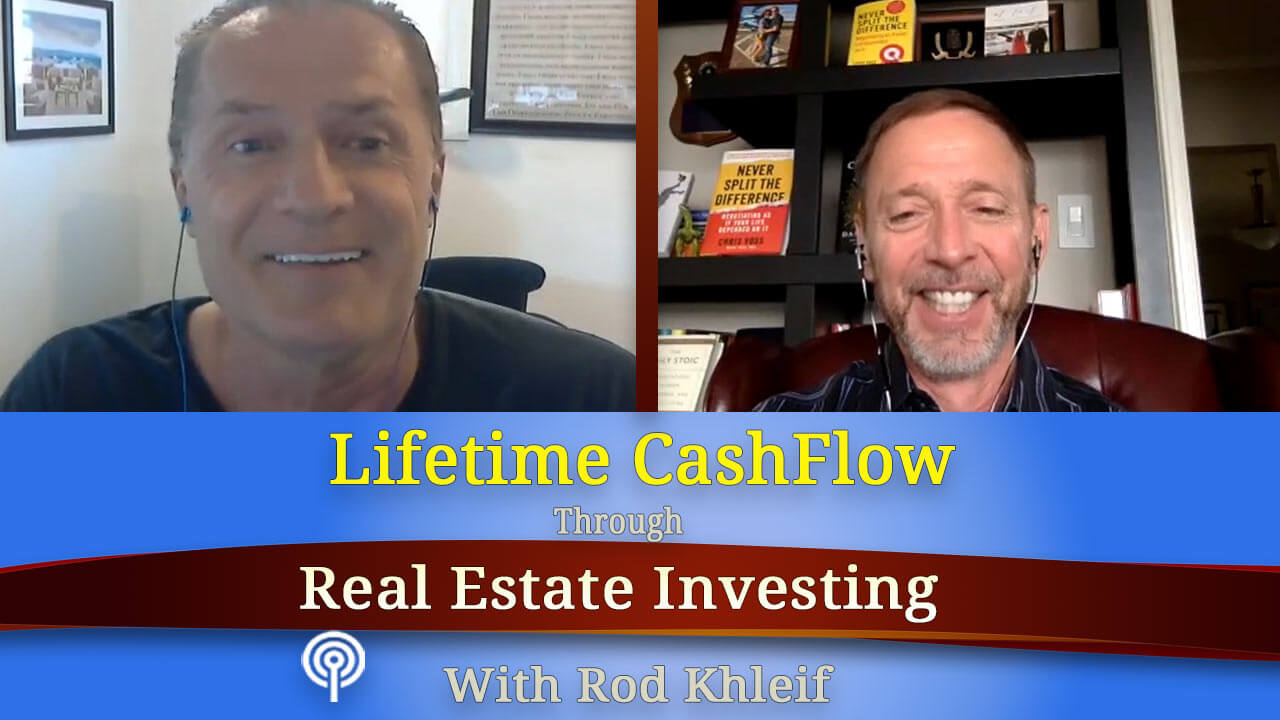
Capital Raising for Real Estate Syndications with Tyson Cobb
Capital raising for real estate syndications has become one of the most valuable skills for investors seeking to scale beyond individual deals and build significant wealth through partnerships. In this episode of Lifetime Cash Flow Through Real Estate Investing, Tyson Cobb shares his remarkable journey from orthopedic surgeon to full-time real estate investor, capital raiser, and participant in more than $2 billion in assets under management.
Tyson explains how his initial interest in real estate was driven by a desire to gain freedom over his time. While his medical career provided substantial income, it did not provide the flexibility and control he ultimately wanted. After investing in farmland and ranch properties, he transitioned into commercial real estate, purchasing a triple net gas station investment that opened his eyes to the powerful tax advantages, cash flow opportunities, and leverage available through real estate ownership.
How Capital Raising Became Tyson Cobb’s Competitive Advantage
One of the biggest turning points in Tyson Cobb’s investing career came when he realized he did not need to master every aspect of multifamily investing to become successful. While many investors focus on acquisitions, underwriting, or asset management, Tyson discovered that capital raising for real estate syndications was a skill that aligned naturally with his network and strengths.
After partnering on a multifamily investment opportunity, he was asked to help complete a capital raise. By simply reaching out to colleagues and professional contacts, he successfully helped fill the remaining equity requirements. That experience revealed a scalable path that eventually led to raising tens of millions of dollars annually.
His growth trajectory demonstrates the power of specialization:
- Started by raising capital from close personal and professional relationships
- Built systems and marketing infrastructure to expand investor outreach
- Leveraged social media, networking, and relationship-based marketing
- Scaled annual capital raises from a few million dollars to a goal of $100 million annually
Tyson emphasizes that investors who focus on one key skill and become exceptional at it can accelerate their growth far faster than trying to master every role within a real estate syndication business.
The Power of Masterminds and Strategic Networking
A major theme throughout the conversation is the importance of surrounding yourself with high-level entrepreneurs and investors. Tyson credits much of his success to consistently investing in masterminds, coaching groups, and educational communities where he can learn directly from experienced operators.
He currently participates in numerous mastermind groups and invests heavily in personal and professional development each year. According to Tyson, proximity to successful people dramatically shortens the learning curve because investors gain access to strategies, relationships, and insights that would otherwise take years to discover independently.
The discussion highlights how networking often creates opportunities that are impossible to predict. Strategic partnerships, investment opportunities, and business ventures frequently emerge from relationships built within these communities.
Exploring Multiple Investment Strategies Beyond Multifamily
Although multifamily investing remains a core focus, Tyson Cobb has expanded into several alternative investment strategies that offer unique opportunities for diversification and growth.
Some of the asset classes and investment vehicles discussed include:
- Multifamily apartment communities
- Triple net commercial real estate
- Medical office real estate
- Gas station portfolios
- Business acquisition roll-ups
- Marina investments
- Vineyard investments
- Industrial real estate
- Self-storage opportunities
His experience demonstrates how investors can use the same fundamental principles of capital raising, partnerships, and operational efficiency across multiple asset classes.
Understanding the Roll-Up Strategy
One of the most educational portions of the conversation focuses on roll-up strategies. Tyson explains how investors can acquire multiple businesses or properties within the same niche and combine them into a larger portfolio.
As portfolios grow, operational efficiencies improve, management becomes more streamlined, and the overall enterprise becomes more attractive to institutional buyers. This creates the potential for significant valuation increases at exit because buyers are often willing to pay a premium for scale and convenience.
The roll-up model can be applied to numerous industries, including paving companies, marinas, medical facilities, and commercial real estate portfolios. Tyson believes this strategy offers compelling opportunities for investors seeking both cash flow and long-term value creation.
Why Tyson Cobb Likes Triple Net Investments
Another key topic is Tyson’s focus on triple net real estate. Unlike multifamily properties, where owners often face unpredictable expenses such as insurance increases, maintenance costs, and property taxes, triple net leases transfer many of these responsibilities to the tenant.
Benefits Tyson highlights include:
- Predictable cash flow
- Reduced management responsibilities
- Long-term lease stability
- Tenant-paid expenses
- Built-in annual rent increases
- Strong financing opportunities
These characteristics make triple net properties particularly attractive for investors seeking dependable income streams with less operational complexity.
About Tyson Cobb
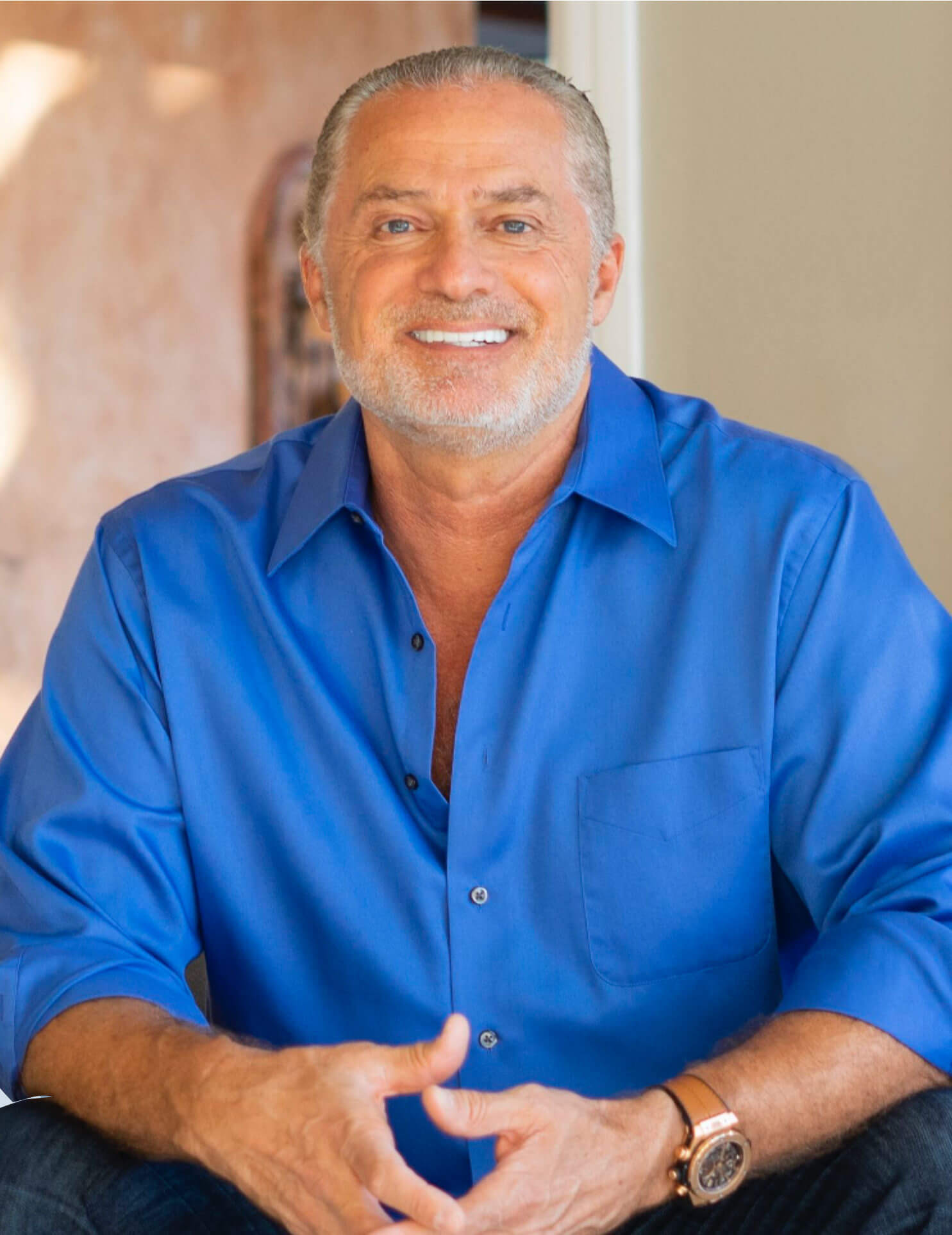
Tyson Cobb is an orthopedic surgeon turned real estate investor, capital raiser, and entrepreneur. After transitioning from medicine into full-time investing, he built a diversified portfolio spanning multifamily, triple net commercial real estate, business acquisitions, and alternative investments. Through strategic partnerships, capital raising expertise, and continuous education, Tyson has participated in more than $2 billion in assets under management and has become a respected leader in the real estate investment community.
If you want to hear the full conversation and detailed insights, watch the podcast video or read the complete transcript below.
Capital Raising for Real Estate Syndications FAQ
What Is Capital Raising for Real Estate Syndications?
Capital raising for real estate syndications is the process of securing investment capital from passive investors to acquire, operate, and improve real estate assets. Sponsors or syndicators combine funds from multiple investors to purchase properties that would often be too large or expensive to acquire individually. This strategy is commonly used in multifamily real estate, self-storage, mobile home parks, industrial properties, and other commercial real estate sectors.
Why Is Capital Raising Important in Real Estate Syndications?
Capital raising is essential because it allows syndicators to scale their portfolios without relying solely on their own funds. By bringing together investors who want passive income and potential appreciation, sponsors can pursue larger investment opportunities while sharing both the risks and rewards of ownership.
How Does Capital Raising for Real Estate Syndications Work?
A syndicator identifies an investment opportunity, performs due diligence, secures financing, and then raises equity from investors to complete the acquisition. Investors contribute capital in exchange for ownership interests in the deal and may receive distributions from cash flow, profits from refinancing, or proceeds from a future sale.
Who Can Raise Capital for Real Estate Syndications?
Individuals or firms acting as syndicators can raise capital for real estate syndications if they comply with applicable securities laws and regulations. Successful capital raisers often build strong investor networks, establish credibility, provide educational content, and maintain transparent communication throughout the investment process.
What Are the Benefits of Capital Raising for Real Estate Syndications?
Capital raising creates opportunities for both sponsors and investors. Sponsors can acquire larger properties and grow their businesses more rapidly, while investors gain access to professionally managed real estate investments without the responsibilities of day-to-day operations. Additional benefits may include passive income, diversification, tax advantages, and long-term wealth creation.
What Types of Real Estate Use Syndication Capital Raises?
Real estate syndications are commonly used for multifamily apartments, self-storage facilities, mobile home parks, industrial buildings, office properties, retail centers, senior housing, student housing, and triple net leased properties. The syndication model can be applied to virtually any commercial real estate asset class.
How Do Capital Raisers Find Real Estate Investors?
Many capital raisers build relationships through networking events, real estate conferences, mastermind groups, podcasts, educational content, social media platforms, webinars, email marketing, and referrals. Consistently providing value and maintaining investor trust are often key factors in attracting long-term investment partners.
What Skills Are Needed for Capital Raising in Real Estate Syndications?
Successful capital raisers typically develop skills in relationship building, communication, investor education, marketing, financial analysis, presentation delivery, and networking. The ability to explain investment opportunities clearly and build investor confidence is often just as important as understanding the real estate itself.
Can Doctors, Business Owners, and Professionals Become Capital Raisers?
Yes. Many successful capital raisers come from professional backgrounds such as medicine, law, engineering, finance, and business ownership. These individuals often leverage their existing professional networks and credibility to connect investors with high quality real estate opportunities.
What Is the Difference Between a Capital Raiser and a Syndicator?
A syndicator is generally responsible for sourcing deals, overseeing operations, managing the investment, and coordinating the overall project. A capital raiser focuses primarily on attracting investors and securing equity for the transaction. In many syndications, capital raisers are active members of the general partnership team and contribute additional value beyond fundraising.
How Much Capital Can Be Raised Through Real Estate Syndications?
The amount varies widely depending on the size of the investment, the experience of the sponsor, and the strength of the investor network. Some syndicators begin by raising a few hundred thousand dollars, while experienced operators may raise tens or even hundreds of millions of dollars annually for large real estate portfolios.
Why Is Capital Raising for Real Estate Syndications Growing in Popularity?
Capital raising for real estate syndications continues to grow because more investors are seeking passive income opportunities, portfolio diversification, and exposure to commercial real estate. At the same time, sponsors can access larger investment opportunities by partnering with investors who want professional management and the potential for attractive risk adjusted returns.
00:00:28:24 – 00:00:55:23
Rod Khleif
Welcome back to life time cash flow through real estate investing. I’m Rod Khleif, and I’m thrilled that you’re here. You’re going to get tremendous value from the gentleman I’m interviewing. Interviewing today. Orthopedic surgeon, turned real estate investor, capital raiser, and, kick ass warrior in my program. And I was just telling him before we started recording, we just found out yesterday that my warriors now own 305,000 multifamily units alone.
00:00:56:00 – 00:01:07:20
Rod Khleif
Which is more than everybody else that teaches this combined. So I’m very, very proud of that. But, the gentleman I’m interviewing today, his name is Tyson Cobb, very dynamic guy. And, really looking forward to this. Welcome to the show, brother.
00:01:07:22 – 00:01:13:22
Tyson Cobb
Good morning. Ron. Thanks for the, invite. It’s a pleasure to be here. Congrats on the, on the number. That’s impressive.
00:01:13:24 – 00:01:30:14
Rod Khleif
Yeah. No, it’s it’s really exciting. It just kind of blows my mind, you know, and, of course, that’s all we know about. So we know it’s a lot more than that. And of course, as you know, every other asset class is represented. I mean, tons of senior housing, tons of student housing, self-storage, mobile home parks, industrial, flex.
00:01:30:14 – 00:01:51:05
Rod Khleif
I mean, the team is doing everything at this point. So it’s very, very exciting. And roll ups, which, we can talk about with you. So, you know, why don’t you give us a little background, you know, orthopedic surgeons make really good money. Why real estate? So let let me just let you have the mic and, take it away, brother.
00:01:51:07 – 00:02:17:16
Tyson Cobb
Yeah. So thank you. Just a little background. So I’ve been an orthopedic surgeon for many, many years, decades on decades. And, have done some investing here and there. Grew up on a farm and ranch in Texas. So I’ve been doing farm ground for a while. And, started I left my group in 2019 and moved into real estate investing and, became a real estate professional.
00:02:17:16 – 00:02:37:24
Tyson Cobb
And, started in triple net space and just bought a gas station for, right, at 3 million. And, the bank paid for 80% of it. I paid for 20% of it. And, got all the depreciation and all the cash flow. And I said, this just feels like cheating. That year was the first year in my entire adult life that didn’t pay any taxes.
00:02:37:24 – 00:03:00:18
Tyson Cobb
And, was just, astonished that it was even possible. And to answer your question, the move was to get my time back, because surgeons make a lot of money, but we don’t have any time, no control of our time. So, I, you know, I have full control. I mean, I do what I want, what I want with who I want, every day of my life now.
00:03:00:20 – 00:03:25:02
Tyson Cobb
And, you know, I love hanging out with entrepreneurs. You know, it’s a fun group of people. You know, they’re very diverse. You know, they’re very optimistic. They’re, you know, very gold minded. Driven people. And it’s just fun to see what everybody’s doing when you get together. Masterminds like yours, like you mentioned, you know, you guys, you know, your basis is on multifamily.
00:03:25:02 – 00:03:27:15
Tyson Cobb
But the reality is the Warriors group, they’re doing.
00:03:27:15 – 00:03:29:03
Rod Khleif
Everything.
00:03:29:05 – 00:03:58:04
Tyson Cobb
And, you know, we do oil and gas and we do, self-storage, we do multifamily and we do business acquisitions and we do roll ups. And, we just started a, a deal where we’re, providing, medical and, psychiatric care for kids that have been rescued from, trafficking. And it’s paying 18 to 22%, quarterly real time.
00:03:58:04 – 00:04:16:09
Tyson Cobb
It’s not accrued. So it’s just an incredible investment, an incredible purpose. I mean, we get a lot of flow. We just go to a ton of meetings and, we’ve done a lot of stuff with people in your group, as you know. And, I think numbers are low because I haven’t updated mine in a long time, but.
00:04:16:12 – 00:04:43:10
Rod Khleif
Well, yeah, well, I’m sure, and, we’re missing a lot, but but the thing, the thing, that, That’s interesting. So one of the things that I admire about you, Tyson, is I’ve seen you participate in so many different types of groups, okay? Like, like, you know, you’re always traveling, going to somebody’s mastermind. You know, we even talked about Alex from mostly.
00:04:43:10 – 00:05:02:19
Rod Khleif
And you’d gone to his thing in Vegas, for example. And there’s something I was exploring on on enhancing marketing. And I know you’ve got a whole marketing team for your equity raising and, you know, talk about that for a minute. Talk about, you know, why you do that? And, and the benefit of it, if you would, please.
00:05:02:19 – 00:05:04:07
Rod Khleif
Because I think it’s valuable.
00:05:04:09 – 00:05:27:15
Tyson Cobb
Yeah. So, I mean, there’s there’s no way I would be where I am right now if it hadn’t been for, masterminds like the one you run. So let me just back up, and then you’ll probably have to remind me where we were. Because every time I do this, I lose my space. But, my first GPD deal, was with a guy from a mastermind, and, I found a property that I wanted to syndicate.
00:05:27:15 – 00:05:47:00
Tyson Cobb
Didn’t know anything about syndicate. And I had just been investing. Is a limited partner, which is a very good way to to start this, because it allows you to peek in without falling off the cliff. But I just invested in a multifamily deal and, found this, property about a mile from the house. Reach out to him, and he agrees to help me.
00:05:47:00 – 00:06:08:18
Tyson Cobb
Syndicated falls through, and, he says, you know, I can tell you won’t do the GP thing. He said, won’t you just join our team? That you’re already investing with in, in, in San Antonio? And I said, oh, it’d be great. What would you want me to do? And he said, well, you know, first thing we need to do is finished capital raise because we’d already closed on the building, but, we’re still raising CapEx.
00:06:08:18 – 00:06:29:08
Tyson Cobb
He said, can you raise capital? And I’m like, wow, Gabe, I don’t know. I never thought about raising capital. Oddly enough, you know, at that stage, it had never really crossed my mind. And, so I made a few phone calls and by the end of the week, the raise was done, and, actually just called to my orthopedic friends and said, hey, you know, I’m, I’m investing in this.
00:06:29:08 – 00:06:40:03
Tyson Cobb
We have some more spaces available if you want to get in. It’s available and end of the week we were done. Showed up at your boot camp in, Denver.
00:06:40:05 – 00:06:42:03
Rod Khleif
And. Wow, that’s been a while.
00:06:42:05 – 00:07:07:09
Tyson Cobb
Yeah. About a week later, and you said, you know, there’s a lot of moving parts and multifamily, and you should really try to learn them all, but. But you said, the reality is this is a team sport, and you only have to be really good at one thing. And the light came on and I’d been putting in tons and tons of offers, trying to trying to get something, but, and at the same time was investing as a limited partner in other people’s deals.
00:07:07:11 – 00:07:25:15
Tyson Cobb
And, I went home and shoved all my acquisition stuff off the desk and just started working on building partnerships and, doing things. So, as you know, point out here for the listeners, you can’t just raise capital on a deal. You know, there’s other things that you can do without, you know, actually being boots on the ground.
00:07:25:15 – 00:07:34:09
Tyson Cobb
So, like the deal we partnered with, you know, I helped, negotiate the bulk white fee and helped negotiate the pickleball courts. But,
00:07:34:11 – 00:07:52:02
Rod Khleif
Let me stop here for one second. So Tyson invested in one of our assets in San Antonio, and like he said, you cannot just be a capital raiser. You have to be actively involved in the deal in some format. So, Tyson, Nick, you know, researched, what we needed to do to convert the tennis courts to pickleball.
00:07:52:04 – 00:07:53:13
Rod Khleif
What was the other thing you said you did?
00:07:53:13 – 00:07:55:19
Tyson Cobb
I forgot to negotiate the bulk Wi-Fi. Oh.
00:07:55:19 – 00:08:11:08
Rod Khleif
That’s right. Yeah, we got bulk Wi-Fi. Which which bring, you know, brings a few dollars to the bottom line where we get Wi-Fi to the whole complex and we bill it out to the tenants. And so he’s actively involved, and he participates in our, you know, when our asset management calls consistently. And so yeah. So I’m sorry to interrupt.
00:08:11:08 – 00:08:13:04
Rod Khleif
I just wanted to elaborate on what you just said.
00:08:13:06 – 00:08:40:12
Tyson Cobb
No, it’s fine. But I was just pointing out the importance of that with my life because, I mean, my whole everything I’ve done has changed as a result of, attending, your boot camp in Denver. Because when the light came on, and I realized I’d been on the wrong path, you know, it’s, I’m trying to remember was at Collins that said, you know, some people kind of climb the mountain to figure out that they’ve been on the wrong mountain the whole time, or the the ladders were leaning against the wrong wall.
00:08:40:12 – 00:09:05:20
Tyson Cobb
Well, that was me, my ladder leaning against the wrong wall, but I didn’t know it. And, but the light did. Come on. There and turned everything around, with my rose de career. So I have been very, very, very aggressive about joining masterminds. I’m at about 12 right now. And as you have jumped in, have joined two in the last year, as you mentioned, I’m doing the Alex Rosie thing.
00:09:05:20 – 00:09:23:11
Tyson Cobb
I absolutely love it. I love hanging out with smart people like you that just can just breathe, progress, into, into your mind and just point out things that you would otherwise not realize. You know, just like.
00:09:23:13 – 00:09:43:16
Rod Khleif
The learning curve, man, it does when you’re around people that think what you think is hard is easy. You’ll pick up little, little things. You know, I formed an actual mastermind you call my warriors. A mastermind is really not a mastermind. It’s really more a coaching program. But but I did have a mastermind, and I had probably 40 or $50 billion in assets represented in it because I wanted to be around.
00:09:43:16 – 00:10:13:20
Rod Khleif
People think that that thought what I thought was hard was easy. And, you know, you pick up these little things that save you tons of money, tons of time, just little nuances that that take you years to get on your own. And, you know, when I learned that strategy from Tony Robbins, he talks about he tries to find the best in the world when he wants to do something and, and, and like, he tells the example of how he wanted to be a, a polo player, and he and he studied under the best in the, in the country, literally, and had to beg him to, to train him.
00:10:13:20 – 00:10:34:13
Rod Khleif
And then he, he became the polo player of the year, a new polo player of the year in one year. And and that’s what you do when you get around people in these masterminds. That’s the message I kind of wanted to to have you help. You know, quantify is just the value of this continual learning and, and Europe, you how long do you go to school to be a surgeon?
00:10:34:13 – 00:10:35:04
Rod Khleif
Forever.
00:10:35:04 – 00:10:50:14
Tyson Cobb
So I was I was, rodeo cowboy before I was so. Yeah. So I was, in undergrad, I was rodeo in. And that was my passion at that time. So my focus wasn’t on school, so it took me a little longer to get out of,
00:10:50:16 – 00:10:54:11
Rod Khleif
But what’s the minimum to do it? I there’s a there’s a message here that I wanted to do.
00:10:54:11 – 00:11:07:00
Tyson Cobb
So I should have done it for. But it took me more like seven to get that done. And then medical schools, four and then, residencies five. And then I did a fellowship after that, which was one year. So it, you know, it adds up pretty quickly.
00:11:07:02 – 00:11:33:10
Rod Khleif
That’s a lot of years. And the point is, I guess the point I’m making, you know, a lot of people go to college, they go to school. And, I’m not going to trash it. But look, your your education didn’t stop when you got your medical degree and, you know, you did the surgery for a long time, but you can’t you didn’t you didn’t lose the message in that, that if you stop growing and you stop learning, you start dying.
00:11:33:10 – 00:11:50:17
Rod Khleif
And that’s the bottom line. Now you took it to a whole nother level, but, very impressive level. But it’s it’s, you know, something that I try to shout from the rooftops, you know, there’s formal education, there’s there’s school. But for most people, they don’t do a damn thing with it. Now, you’re an exception in that regard, but you’re a great example of, you know, pivoting.
00:11:50:17 – 00:12:17:01
Rod Khleif
I mean, I’ve got warriors that are pharmacists, numerous dentists, engineers, architects that went to really technical school and, and training and still aren’t getting the freedom that they want and deserve. And so, you know, and so talk about some of the different asset classes you’ve been involved with because you’ve been all over the place. And I’d love to drill down on some of this because as I was mentioning, I interviewed I know you, you’re involved.
00:12:17:04 – 00:12:29:11
Rod Khleif
You were involved in a paving roll up where you’re buying paving companies. And I interviewed the CEO of that company a few days ago here, my studio. Brilliant guy. But talk about some of the different things you’ve done and are doing, if you would.
00:12:29:13 – 00:13:01:19
Tyson Cobb
You know. So the roll up strategies were in multiple roll up strategies. So just to back off on the roll up strategy itself and you can do that with real estate. You can do it with business. We’ve got a Marina roll up, the roll up that you mentioned. So the roll up strategy, I mean, you basically just figure out, what it is you want to do and, and then you just keep doing that, you just keep adding it, and your portfolio just keeps getting bigger and bigger, whether it be businesses or, or triple net medical or whatever the case might be.
00:13:01:21 – 00:13:20:18
Rod Khleif
So so let me elaborate on what you just said because it wasn’t completely clear. You buy individual businesses, okay. That’s what you do. You buy these businesses, you buy paving companies, you buy medical facilities, you buy marinas. That’s cool. I haven’t heard that one yet. That’s awesome. I love that one. And, and and once you get a few of them together, speak.
00:13:20:21 – 00:13:23:13
Rod Khleif
Speak to what happens economically.
00:13:23:15 – 00:13:45:22
Tyson Cobb
You know, so a lot of different things happen there. So number one, you get better at management. At you get better at scaling. So the businesses a lot of times you can combine combined. So you might be able to sell a yard off, when you get two of them that are geographically close, with, with the, the medical side of it, you just get better and faster about getting these things together.
00:13:45:22 – 00:14:07:16
Tyson Cobb
So we’re we’re able to close a triple net now about every week. And we just built that momentum over the over time. So you’re building your team and people become aware of the fact that you’re looking for medical, buildings. And so they start sending you stuff so your deal flow goes up. Everything heightens over time, and you get that compounding effect.
00:14:07:18 – 00:14:09:18
Tyson Cobb
And,
00:14:09:20 – 00:14:13:07
Rod Khleif
So but talk about the why talk about the exit.
00:14:13:09 – 00:14:46:04
Tyson Cobb
Yeah. So the, the big the big bump is the exit on the back end. So as that folio grows and over time, you can attract people that can write a lot bigger check. So instead of a $10 million check, they can write a $100 million check or a $200 million check or whatever the number might be, and they’re going to pay, a premium for the convenience and the cost savings and the time savings to be able to buy that portfolio all at one time, as opposed to trying to buy them and put them together over time.
00:14:46:06 – 00:14:59:07
Tyson Cobb
And, so that’s the the primary goal behind all of that. But it does have advantages, in the process as well. Got it. So that it’s easier and more efficient.
00:14:59:09 – 00:15:25:00
Rod Khleif
Sure. And as you’re buying as the team is buying these facilities, they are they’re enhancing things. They’re in implementing things that maybe these business owners hadn’t implemented there. There’s economies of scale that are implemented. You know, any time you get multiple businesses, same thing like like like our our asset that you you’re in with me and in San Antonio we’ve got an asset a mile away and we’re able to do some, some economies of scale there as well.
00:15:25:00 – 00:15:35:05
Rod Khleif
So same concept. So what other asset classes have you been involved in besides the multifamily. And these roll ups? If I feel like there’s more that you’ve done, is that correct or.
00:15:35:11 – 00:15:57:16
Tyson Cobb
Yeah, we’ve done we did a raise for a vineyard and, interiors and. Yeah. And we got the paving deal that you mentioned. We have other, business acquisition roll ups that we’re working on, and we have three different triple net roll ups. We got one industrial one that includes, gas stations, which kicks out a ton of depreciation.
00:15:57:18 – 00:16:01:12
Tyson Cobb
The medical that I mentioned earlier, we’ve done to.
00:16:01:12 – 00:16:04:15
Rod Khleif
Explain triple net to my listeners that may have not heard that before.
00:16:04:15 – 00:16:26:14
Tyson Cobb
Yeah. So triple net is, is, extremely convenient. Way to to purchase real estate. So over the with the with an absolutely triple net, the tenant pays for everything. So, a lot of the problems that we run into with management, properties like multifamily over the past few years are, you know, what’s happening with taxes are going up.
00:16:26:14 – 00:16:53:23
Tyson Cobb
What’s happening with insurance is sometimes the insurance alone will kill a deal. It has on many occasions, especially in some locations, all of that’s paid by the tenant. So it’s easy math at that point. So we’re doing long term 15, 20 year, triple net leases. And we’re getting this with the fixed debt. So it’s just math at that point, this is going to be our annual, income, from this here’s our annual, debt payment.
00:16:54:00 – 00:17:17:17
Tyson Cobb
It stays the same and is level. The income’s going up because we got annual bumps every year. So that getting better and your spread just keeps getting better over time. So it does provide a nice, consistent cash flow. So unlike, a lot of the value add type deals that we get involved in, with this, it’s fairly predictable monthly cash flow.
00:17:17:17 – 00:17:35:14
Rod Khleif
So yeah, it’s easier, so much easier because you’re, you’re not having to deal with hardly anything in a triple that situation. And that’s why I want you to elaborate on it. So I’m just curious, how much money have you raised? Since you’ve gotten involved in this and became a capital raiser after my boot camp? I’m just curious, do you have any idea?
00:17:35:17 – 00:17:37:00
Rod Khleif
Because I know it’s. No, I haven’t.
00:17:37:02 – 00:17:53:12
Tyson Cobb
I haven’t sat down to add it all. But, just kind of roughly, I think we raised, I went to your boot camp in, I think September of 22. Okay. And, I reached.
00:17:53:12 – 00:17:59:20
Rod Khleif
My mom at that one. Was that the one? My mom was that I don’t remember. Okay. Yeah. You do remember. I do a.
00:17:59:20 – 00:18:03:07
Tyson Cobb
Lot of your meetings. I mean, I’ve seen her, but I can’t remember which one it was.
00:18:03:09 – 00:18:20:17
Rod Khleif
Okay, well, if you saw her, that was it. Then. Yeah, because I think there was one in Denver, and they brought her in a wheelchair, and I lost all the footage of that. And I’m behind the curtain crying like a little girl because she’s the reason I got in real estate. My brother’s border brought, broader, to the event, and it’s very emotional for me.
00:18:20:17 – 00:18:31:24
Rod Khleif
But, yeah, I was just curious because that just triggered. Because that was in Denver and, yeah, unfortunately, we lost all the footage, but, but, so 22, and I think that’s.
00:18:32:03 – 00:18:46:13
Tyson Cobb
About 2.5 million. And at the end of that year, and then we raised somewhere around two and a half the year after because it, I transitioned from basically just, raising money from very close friends. Right, to having to move into a tougher arena.
00:18:46:15 – 00:18:59:06
Rod Khleif
And when you started marketing, I mean, you’re doing you’ve got a whole team, from what I understand, you’ve got DA’s you’ve got people helping you. You know, you’re doing stuff on LinkedIn, Facebook, elsewhere, and just to raise equity. And it’s a it’s brilliant.
00:18:59:08 – 00:19:09:20
Tyson Cobb
Yeah. So we did two and a half, two and a half, 17.5. And then somewhere between 36 and 40 last year, depending on.
00:19:09:22 – 00:19:15:12
Rod Khleif
Where you start, you’re, you’re pushing, you’re pushing 80 million bucks. Holy cow.
00:19:15:13 – 00:19:26:03
Tyson Cobb
Our goal is 100 million this year, trying to get there, but that’s our stretch goal. But, you know, for you to be able to have, you know, swing for the bleachers.
00:19:26:05 – 00:19:50:02
Rod Khleif
Yeah. No, you shoot for them, you shoot for the stars. You hit the moon. You’re still doing great. So, you know, I love the Marina idea because I love boating. What a great idea to roll up marinas. Interesting. As it relates to the warrior group you joined. Because it’s just your basic premise to get around as many people as possible that are doing what you want to do.
00:19:50:05 – 00:19:59:06
Rod Khleif
Or was there some other outcome you were looking for? After my bootcamp, because I’m assuming you joined at that bootcamp, what would be my guess?
00:19:59:08 – 00:20:21:05
Tyson Cobb
Yeah. I mean, it just was apparent that, One of the guys in the first mastermind, I call them all masterminds. They’re just paid groups, right? So whatever you want to call them. But, first Bay Group I was in, he said, you know, the easiest and the fastest way to get somewhere in life, is to hang out with people that are already where you want to be.
00:20:21:07 – 00:20:41:23
Tyson Cobb
Yeah, and that’s so true. So, I mean, you can’t be over here looking at people over there and expect to just close that gap. I mean, you can’t close it, but it takes a lot longer. As you mentioned earlier, you just shave a ton of time and expense off the curve. Getting in these groups. And I spend probably a quarter of a million a year in these people.
00:20:41:23 – 00:20:43:10
Rod Khleif
Okay. Now, between wow or.
00:20:43:10 – 00:20:50:08
Tyson Cobb
Between paying for them and going to them. But I’m telling you, it accelerates my growth like nothing else.
00:20:50:10 – 00:20:55:19
Rod Khleif
You how how many units, how many units are you in now? Just just, And deals, would you say?
00:20:55:21 – 00:20:57:20
Tyson Cobb
Yeah, I quit counting at 10,000.
00:20:58:00 – 00:20:59:20
Rod Khleif
10,000. There you go. Okay.
00:21:00:01 – 00:21:04:03
Tyson Cobb
We’re over 2 billion total.
00:21:04:05 – 00:21:32:14
Rod Khleif
AUM assets under management. Yeah, that’s that’s extraordinary, brother. By the way, if you’re interested in applying to my warrior program, text the word crush to 72345. And I, you know, again. And that’s how you apply. We don’t take everybody text the word crush to seven, two, three, four, five. And, you know, like I said, I’m I’m just blown away that our student results at this point eclipse everybody else that teaches this combined by quite a bit actually.
00:21:32:14 – 00:21:55:00
Rod Khleif
And because we did analysis so very very exciting. Well listen brother, I appreciate you coming on the show. It’s, such a treat. You know, we had our I know you didn’t make the warrior event this last weekend. I know how busy you are, but, we had a few hundred warriors here in Sarasota. We get them together because, you know, that’s the whole purpose of the group is to connect people and network them.
00:21:55:00 – 00:22:11:03
Rod Khleif
Because we discovered out of those units that they own, they’re almost all done between warriors. And I know you’ve done a ton of work with with other warriors. So. Yeah, but listen, I appreciate you coming on, brother. Say hi to the boss for me. Your better half and, and and you take care of yourself, okay?
00:22:11:05 – 00:22:26:03
Tyson Cobb
Appreciate the invite. Really enjoyed it. I hated to miss, Sarasota, but we, we’d actually, we donated a mastermind at our form, for a charity event. So we were. We were at that weekend, so, we would have been there.
00:22:26:05 – 00:22:30:17
Rod Khleif
That’s that’s a good reason. All right, brother, be well. Thanks, man. All right. Take care. Thank you.