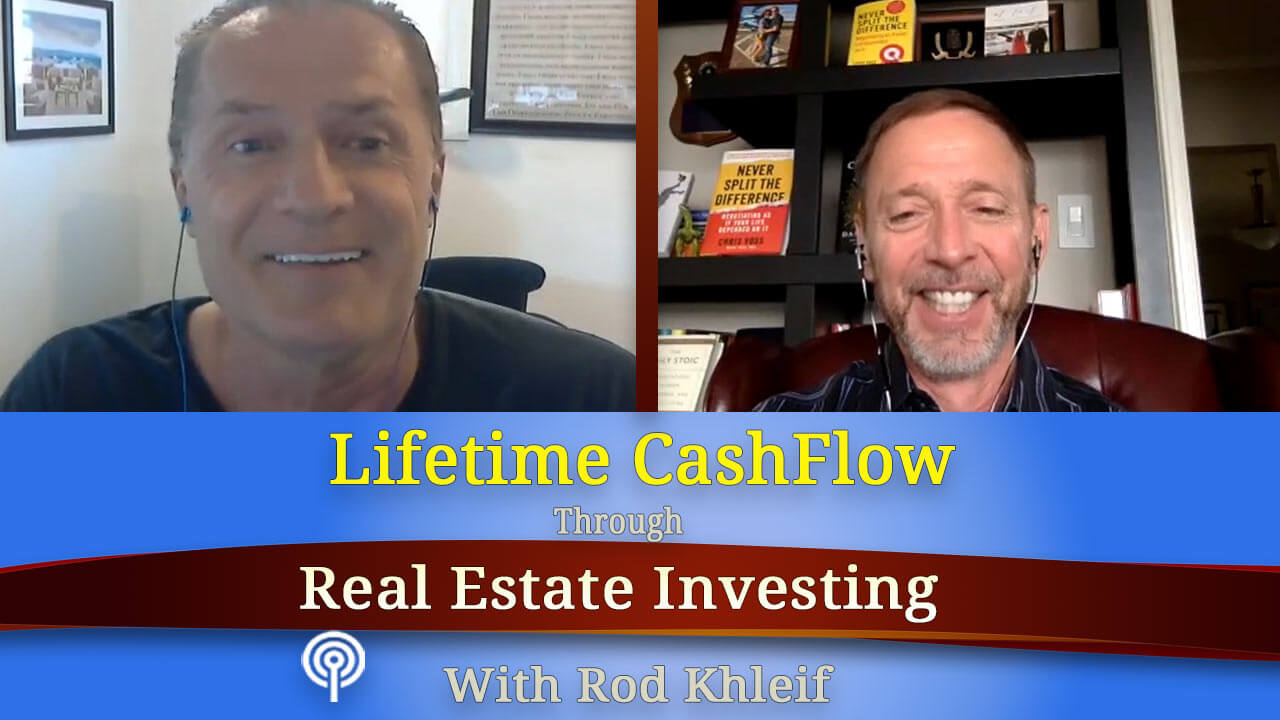
Understanding 1031 Exchange Rules with Lance Growth
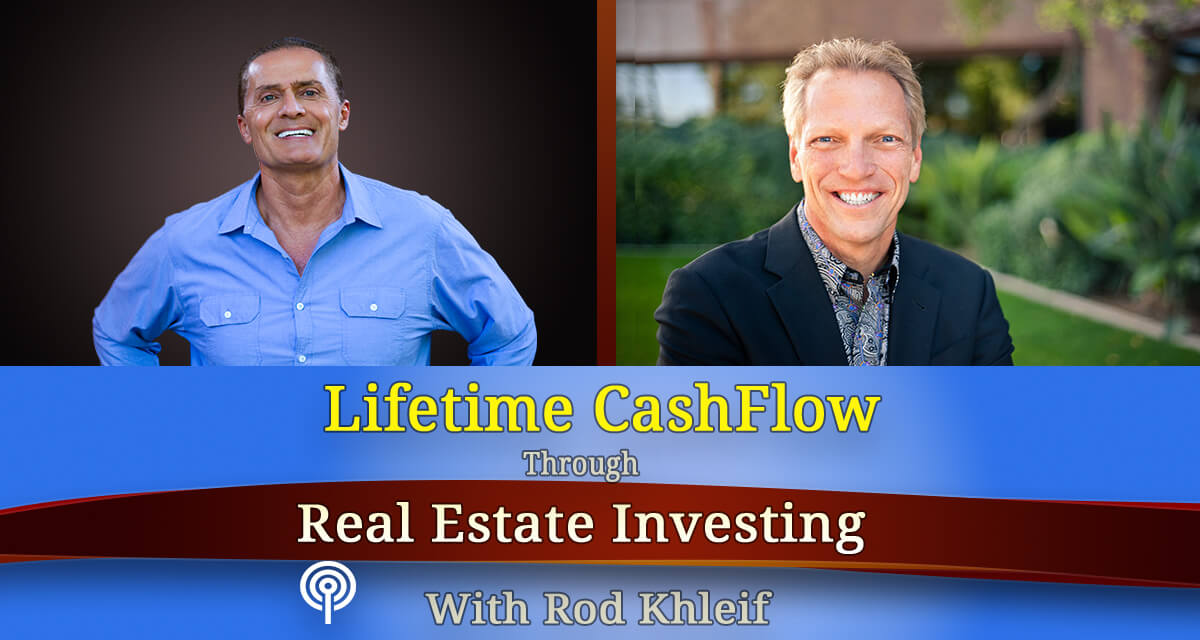
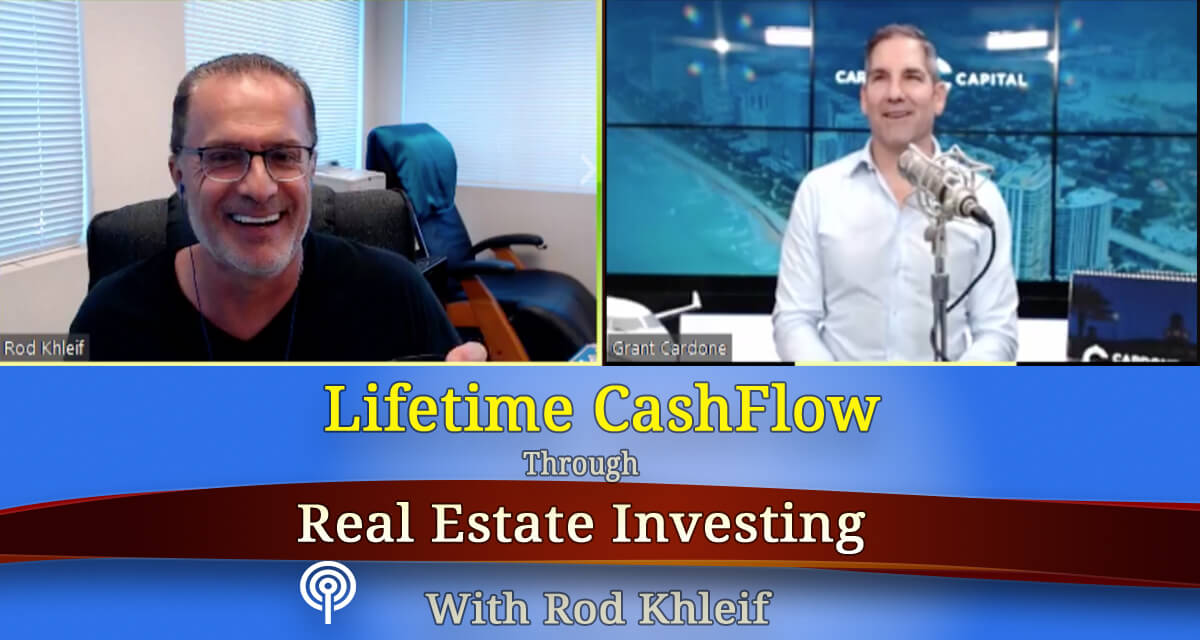
For real estate investors looking to preserve capital and accelerate portfolio growth, understanding 1031 Exchange Rules is essential. In this episode of Lifetime Cash Flow Through Real Estate Investing, Rod Khleif sits down with Lance Growth, CEO of Growth 1031, to discuss how investors can legally defer capital gains taxes, keep more money working for them, and strategically reposition their real estate holdings.
The conversation explores the fundamentals of 1031 exchanges, common mistakes investors make, and how today’s market trends are influencing where capital is flowing across the country. Whether you’re selling a rental property, scaling into larger assets, or considering alternative investment structures, Lance provides practical guidance investors can apply immediately.
What Are 1031 Exchange Rules?
A 1031 exchange allows investors to defer capital gains taxes when selling an investment property and reinvesting the proceeds into another qualifying investment property. Rather than paying taxes at the time of sale, investors can continue growing their portfolios by keeping those funds invested.
Lance explains that many investors underestimate the true tax impact of selling a property. Between federal taxes, state taxes, and depreciation recapture, investors can often lose more than 30% of their profits to taxes. A properly executed 1031 exchange helps preserve that capital, allowing it to remain invested and potentially generate additional returns.
The strategy applies to investment and business-use real estate and has become one of the most powerful wealth-building tools available to real estate investors in the United States.
The Critical Timelines Investors Must Follow
One of the most important aspects of 1031 Exchange Rules is understanding the strict deadlines involved. Lance breaks down the two key requirements that every investor must know before initiating an exchange.
Investors have:
- 45 days to identify replacement properties
- 180 days to close on the replacement property
Missing either deadline can cause the exchange to fail, resulting in the investor owing the deferred taxes. According to Lance, the most common reason exchanges fail is not because of paperwork or compliance issues, but because investors cannot find suitable replacement properties within the 45-day identification period.
This makes planning ahead and working with experienced professionals especially important.
How 1031 Exchanges Help Investors Build Wealth Faster
One of the most compelling points discussed in the episode is how tax deferral creates a compounding effect for investors. Rather than losing a significant portion of sale proceeds to taxes, investors can redeploy the full amount into larger or more profitable opportunities.
Rod and Lance discuss examples where investors may save hundreds of thousands of dollars through a single exchange. Those funds can then be leveraged into additional acquisitions, property improvements, or portfolio expansion.
The conversation also highlights how refinancing replacement properties can provide access to equity without triggering a taxable event, creating another powerful wealth-building strategy for experienced investors.
1031 Exchanges, Cost Segregation, and Bonus Depreciation
Many investors wonder whether they can combine 1031 exchanges with other tax-saving strategies. Lance and Rod discuss how cost segregation studies and bonus depreciation can complement an investor’s overall tax strategy.
Cost segregation accelerates depreciation by breaking down property components into shorter useful lives, creating larger deductions in earlier years of ownership. While the two strategies serve different purposes, investors can use both as part of a comprehensive approach to maximizing after-tax returns.
The discussion emphasizes the importance of understanding how each tool works and working with qualified professionals to create the most efficient tax strategy possible.
Why Capital Is Migrating to New Markets
Beyond tax strategies, Lance shares his observations on investor behavior and market migration trends. He notes that many investors continue moving capital away from highly regulated and high-tax states toward business-friendly markets such as Florida, Texas, and the Carolinas.
Population growth, favorable tax environments, and business expansion continue attracting both individual and institutional investors to these regions. As capital follows migration patterns, investors are increasingly seeking opportunities in markets with strong demographic and economic fundamentals.
Understanding these trends can help investors identify markets with long-term growth potential and position themselves ahead of broader shifts in demand.
Delaware Statutory Trusts and 1031 Exchanges
Another important topic covered is the growing popularity of Delaware Statutory Trusts (DSTs). These structures allow investors to place 1031 exchange proceeds into professionally managed real estate investments while maintaining eligibility for tax deferral.
For investors who want passive ownership without direct management responsibilities, DSTs can provide access to institutional-quality assets while still satisfying exchange requirements. Lance explains why DSTs have become a popular solution for investors seeking diversification, passive income, and continued tax advantages.
As more investors look for hands-off investment options, DSTs continue gaining attention as a viable component of long-term real estate planning.
About Lance Growth
Lance Growth is the CEO of Growth 1031, a company specializing in 1031 exchange services for real estate investors nationwide. Originally from Saint Lucia, Lance earned his Juris Doctor degree from Thomas Jefferson School of Law and built his career helping investors navigate complex tax-deferral strategies. Through Growth 1031, he assists clients with exchange planning, compliance, and investment structuring while educating investors on how to preserve and grow wealth through real estate.
If you want to hear the full conversation and detailed insights, watch the podcast video or read the complete transcript below.
1031 Exchange Rules FAQ
What Are 1031 Exchange Rules?
1031 Exchange Rules are IRS guidelines that allow real estate investors to defer capital gains taxes when selling an investment property and reinvesting the proceeds into another qualifying investment property. The exchange must follow specific timing, identification, and ownership requirements to maintain tax-deferred status.
How Does a 1031 Exchange Work?
A 1031 exchange works by allowing investors to sell an investment property and use the proceeds to purchase another investment property without immediately paying capital gains taxes. The funds are held by a qualified intermediary during the exchange process, ensuring the investor never takes direct possession of the sale proceeds.
What Properties Qualify for a 1031 Exchange?
Most investment and business-use real estate qualifies for a 1031 exchange. Examples include rental properties, apartment buildings, commercial real estate, industrial properties, self-storage facilities, mobile home parks, and raw land held for investment purposes. Primary residences generally do not qualify.
What Is the 45 Day Rule in a 1031 Exchange?
The 45 day rule requires investors to identify potential replacement properties within 45 calendar days of selling their relinquished property. Missing this deadline typically disqualifies the exchange and triggers the associated tax liability.
What Is the 180 Day Rule in a 1031 Exchange?
The 180 day rule requires investors to complete the purchase of their replacement property within 180 days of the sale of their original property. This timeline includes the initial 45 day identification period.
Can You Identify Multiple Properties in a 1031 Exchange?
Yes. Investors can identify multiple replacement properties under IRS guidelines. The most common method is the Three Property Rule, which allows investors to identify up to three properties regardless of value. Another option is the 200 Percent Rule, which permits identifying more properties as long as their combined value does not exceed 200 percent of the relinquished property’s value.
Do You Have to Reinvest All the Proceeds in a 1031 Exchange?
To fully defer capital gains taxes, investors generally must reinvest all net proceeds from the sale and acquire replacement property of equal or greater value. Any cash retained from the transaction may become taxable and is commonly referred to as “boot.”
Can You Use a 1031 Exchange for Multifamily Real Estate?
Yes. Multifamily real estate is one of the most common asset classes used in 1031 exchanges. Investors frequently exchange single family rentals, duplexes, or smaller multifamily properties into larger apartment communities to increase cash flow, scale their portfolios, and defer taxes.
What Is a Delaware Statutory Trust in a 1031 Exchange?
A Delaware Statutory Trust, or DST, is a legal structure that allows investors to own fractional interests in institutional-quality real estate while still qualifying for 1031 exchange tax deferral. DSTs are often used by investors seeking passive ownership and professional asset management.
Can You Combine a 1031 Exchange With Cost Segregation?
Yes. Investors can use both strategies as part of a comprehensive tax plan. A 1031 exchange defers capital gains taxes when selling a property, while cost segregation accelerates depreciation deductions on replacement properties to reduce taxable income.
What Happens If a 1031 Exchange Fails?
If a 1031 exchange fails because the investor misses a deadline or violates IRS requirements, the transaction becomes fully taxable. Capital gains taxes, depreciation recapture taxes, and applicable state taxes may become due in the year of the sale.
Why Are 1031 Exchange Rules Important for Real Estate Investors?
1031 Exchange Rules help investors preserve capital, increase purchasing power, and grow their real estate portfolios more efficiently. By deferring taxes that would otherwise reduce available investment capital, investors can reinvest more money into income-producing assets and accelerate long-term wealth creation.
00;00;19;17 – 00;00;37;03
Rod Khleif
Welcome back to lifetime cash Flow through real estate investing. I’m Rod Khleif and I am thrilled you’re here. And I’m sure you’re going to get tremendous value from the gentleman I’m interviewing today. We were just talking before we started recording because I just came back from Saint Lucia the day before yesterday, and that’s where he’s from. So we’ve had some pleasant conversation about that.
00;00;37;06 – 00;00;52;19
Rod Khleif
But, his name is Lance growth, and Lance is the CEO of growth. 1031 so we’re going to talk about 1031 exchanges and quite a few other things. So, he’s got kind of a very interesting background, which I’m looking forward to having him describe rather than me. Welcome, brother.
00;00;52;22 – 00;00;53;21
Lance Growth
Appreciate being here.
00;00;53;21 – 00;00;56;21
Rod Khleif
Yeah. So tell us who you are, man. Where’d you come from?
00;00;56;23 – 00;01;16;11
Lance Growth
Well, that’s a tough one. Born in Saint Lucia, right? I came to this country when I was about seven, raised and kind of to northeast Connecticut. I went to school out there, started boxing out there and became state champion about 2006. Left that, decided to go to law school. California Thomas Jefferson School of Law,
00;01;16;14 – 00;01;17;05
Rod Khleif
Get your JD.
00;01;17;08 – 00;01;28;09
Lance Growth
Yeah, I got my JD, built the company out there and decided to get a second office in New York. And, as of most recently, three months ago, got out third office in Atlanta.
00;01;28;10 – 00;01;45;07
Rod Khleif
Atlanta. Okay. Yeah. Fantastic. So you got three offices. And you do 1031 exchanges. Can you, why don’t for for the for the three people listening that don’t know what a ten is, can you describe you.
00;01;45;10 – 00;02;08;10
Lance Growth
Know, you would be shocked, as I do, speaking probably twice a week in real estate offices and, you’d be shocked how many of those guys don’t seem like, you know, you’re real estate agents. As in, you have to be an agent on the real estate topic. I mean, you may need to know these things right? But to put things simple, a 1031 exchange is basically a tax shelter that protects people from the capital gains tax.
00;02;08;10 – 00;02;26;22
Lance Growth
And for those who don’t know what that is, it’s basically a tax on your capital asset, whatever you sell. So if you’re selling your home you live in, you’re going to have capital gains tax. If you’re selling your investment property at the point of sale, you’re going to have capital gains tax. A 121 homeowner’s exemption is what most people are familiar with.
00;02;26;22 – 00;02;50;00
Lance Growth
It protects the capital gains tax for your primary residence. But a 1031 is basically the number one tool you use to avoid the capital gains tax on your investment property. So anytime you’re selling a property this simple example, you bought it at 100,000. You’re selling at 200,000 won or 100,000 profit. Between state tax, federal taxes. Call your depreciation, recapture tax.
00;02;50;00 – 00;03;07;01
Lance Growth
You typically face a blended average of roughly 30 to 33% on that profit. So that little example we use a 100 profit. You got to give up 30,000. So a 1031 exchange allows you to keep that money in your pocket. Whether it’s 30,000 or 30 million it applies. So everybody.
00;03;07;04 – 00;03;19;00
Rod Khleif
Talk about, the mechanics of, of doing a 1031 because there’s some, there’s some rules and some timelines. Could you, could you, you know, at a high level speak to that.
00;03;19;03 – 00;03;38;18
Lance Growth
Yeah. Keep it simple. It’s, you know, people get excited and want to sell their property. Fine. Agent. Agent says I’ll do it for you. You list the property. The moment people get under contract or in escrow, that’s kind of when a 1031 exchange has to start. Because what happens is we basically step in, we assign ourselves into the contract.
00;03;38;21 – 00;03;58;06
Lance Growth
So instead of them actually getting the funds at closing, we open up a special account for them. And then the moment they actually close and they have 45 days to find a new property and they have 180 days to actually close on that property, meaning get their name on title to that property. So it has some pretty strict guidelines in terms of time.
00;03;58;06 – 00;04;02;12
Rod Khleif
So 45 days to identify the property and then 120 days.
00;04;02;15 – 00;04;03;02
Lance Growth
80.
00;04;03;04 – 00;04;13;20
Rod Khleif
180 to close. And so and then and then basically you deferring the tax is really the bottom line. It’s a deferment. Yeah. Right.
00;04;13;24 – 00;04;15;09
Lance Growth
Defer defer defer. Right.
00;04;15;10 – 00;04;29;20
Rod Khleif
Di yeah, exactly. You defer. And, if you never sell, you never pay the tax. The beautiful thing about real estate now, how what are the differences here between that and in like doing a cost segregation and bonus depreciation.
00;04;29;22 – 00;04;49;13
Lance Growth
Well with cost seg you’re basically taking the you don’t all the the cost that you go into these properties and you basically it’s like you’re taking a deduction for your costs. 1031 and you’re not taking hey, I did this, I fixed this all the, all the little cost. And you use it as, you know, deductions against your tax liability.
00;04;49;18 – 00;05;03;19
Lance Growth
You’re basically just telling the government, hey, I’m following these steps. I know I have all these taxes because I follow these steps. I don’t want to pay it. So it’s just a very kind of clean way. A lot less expensive than caustic and a lot less complicated.
00;05;03;22 – 00;05;44;16
Rod Khleif
Okay. Well, I’d like to elaborate on that a little bit, because I’ve done both quite a bit. So, you know, cost segregation, you’re basically accelerating the depreciation. Right. So, you know, typically the straight line, what is it, 30 year depreciation? With the cost segregation, you’re taking all the different components in the building, and an engineer is assigning or a remaining life to those components, from roof shingles to concrete pavement to walls to windows, doors and and so you accelerate it, and, and that coupled with bonus depreciation, you can have as much as 60, 70% right off year one.
00;05;44;16 – 00;05;51;07
Rod Khleif
Right. When you come in, have you seen people do that and then also do a 1031 exchange?
00;05;51;07 – 00;06;07;23
Lance Growth
No, we do the reverse. It’s funny you bring that up because I had two guys yesterday give me a call like, hey, we don’t like to do 1031 exchanges. We’re not that great at it. Can you do our 1031 exchanges? And should you have any bond that need cost seg. No problem. I use cost segregation for clients that fail a 1031 exchange.
00;06;08;00 – 00;06;28;15
Lance Growth
So they sell the property, they close, they come into the exchange, they have 45 days to identify. Then they have 180 days to actually close. Right? They you know, the most common reason a 1031 exchange fails is because of the 45 day rule. People cannot find a property in 45 day it. Should that happen, the only penalty is hey, you still have your tax liability, right?
00;06;28;17 – 00;06;37;27
Lance Growth
So what I would then do is send them over to call segregation guys that can then hey, since you do have this tax liability, this is what we can do to mitigate it. And as you mentioned, you.
00;06;37;27 – 00;06;39;24
Rod Khleif
Could do a cost saving a sale.
00;06;39;26 – 00;06;44;01
Lance Growth
I didn’t know after when they oh, so with the 1031 remember they are selling.
00;06;44;04 – 00;07;00;19
Rod Khleif
Oh I see, I see on the new property. Yeah. Okay. You do a processing on the new property. Got it. And that’s what threw me. But but you can’t do it. Like if somebody has like I’ve done lots of cost segues. Yeah I’ve done lots of, you know, with bonus depreciation if I sell one of those properties, can I not do a 1031.
00;07;00;22 – 00;07;01;26
Lance Growth
Absolutely. Oh you hundred.
00;07;01;28 – 00;07;02;26
Rod Khleif
Okay. All right, all right.
00;07;02;27 – 00;07;05;03
Lance Growth
Long as the property is utilized for business or investment.
00;07;05;03 – 00;07;05;19
Rod Khleif
Right okay.
00;07;05;19 – 00;07;05;29
Lance Growth
Can you use.
00;07;05;29 – 00;07;26;03
Rod Khleif
Okay. So you could do both and you can do both in that scenario. Good. So talk you know, you talk a lot about Airbnb and short term rentals. You know, you’re seeing a lot of municipalities, I think probably because the hotel lobbies crack down on Airbnb.
00;07;26;06 – 00;07;27;12
Lance Growth
Crackdown is an understatement.
00;07;27;12 – 00;07;39;16
Rod Khleif
Yeah. And I mean, I’ve seen it. I’ve seen Airbnb really suffer. My my brother’s got some cabins in the Blue Ridge Mountains of Georgia. He had to sell 1 or 2 of them because, you know, the truly dropped. What do you know about it?
00;07;39;18 – 00;07;52;11
Lance Growth
Well, one, remember, we have offices, headquarters in San Diego, second office in New York. Those are probably the two most stringent states for the rules against, short term rentals.
00;07;52;13 – 00;07;53;09
Rod Khleif
00;07;53;11 – 00;08;13;27
Lance Growth
I’ll just go with the top one. You look at New York, New York terrifyingly came down there like, hey, you cannot do this unless you follow these rules. The main one being you register with the city. And then the registration process is beyond cumbersome. And then they give you these strict guidelines, like you, you have to own the property.
00;08;13;27 – 00;08;28;13
Lance Growth
It can’t be less than this amount of days. You have to follow these guidelines. And they basically made it. I think they took it down like 90% of the, you know, active, Airbnb. It’s just all got shut down end to end.
00;08;28;13 – 00;08;29;28
Rod Khleif
I’m always looking, Tommy.
00;08;29;28 – 00;08;37;04
Lance Growth
I don’t don’t you dare get me into politics. But you do it, all right? Do not do it. My God, do not.
00;08;37;06 – 00;08;39;20
Rod Khleif
We can have a lot of fun with it, but. Okay, sure enough.
00;08;39;22 – 00;09;00;05
Lance Growth
But you look at here’s here’s the, here’s the good and the bad, the both sides. The fact is, is, you know, Airbnb is a simple app that made the common man become an overnight investor, which gave them supplemental income, which is amazing. I you myself, when I was in law school, I would go I would go and stay at my friend’s house.
00;09;00;05 – 00;09;35;16
Lance Growth
Airbnb be my place for, you know, if you like a few extra bucks. It was amazing. But you look at what’s going on with the market, like, many of these homes were meant to be just that homes for families for, you know, starting people coming up homes. But so many people, especially a lot of even institutional guys, disguise themselves in a little LLC purchase all these homes, you know, that were meant to be just for that and turned them, converted them into investment properties, not into institutional sense of, you know, office space and this and that.
00;09;35;21 – 00;09;47;25
Lance Growth
But they turned so many, properties that were meant to be homes into these investments. So a lot of people, when they kind of struggle finding homes is because so many of them got gobbled up by investments. So that’s kind of that’s.
00;09;47;25 – 00;09;56;14
Rod Khleif
Good advice right there because I, I actually disagree, but fair enough. Fair enough. So that’s why that’s why they do it. They that’s why they crack down.
00;09;56;16 – 00;10;15;20
Lance Growth
They mainly did it. It was a combination of doing it to kind of protect the, the, the the home buyers market because the real estate association did were the ones on the other side, like, hey, this is impacting this. And also to prevent, just kind of the rising complaints. You have highly populated, densely populated cities like New York.
00;10;15;22 – 00;10;25;15
Lance Growth
And then you have, you know, they’ll say a mom and pop in one and one unit next door, and then you just have regular occurring customers coming that started to become traffic to traffic.
00;10;25;15 – 00;10;39;02
Rod Khleif
Yeah, that makes sense. So that makes sense. I you know, one of the questions that you gave me to ask is relating to investor capital. Yeah. What do you think’s happening with with investor money right now. Relocating to where.
00;10;39;04 – 00;10;58;12
Lance Growth
Well, it’s as simple as this is taking the same path. The migration took after Covid. I mean, the government literally came down and said, hey, people, stay away from people. So the most densely populated areas, such as California, New York, they literally fled, and then they went to places, one that offered more value for land, two that had less regulations.
00;10;58;14 – 00;11;18;02
Lance Growth
Generally. But, you know, of course, short term rental regulations and, three they went to places that were a little more kind of appealing because you take during Covid, I mean, people were they were hiring ice cream trucks because the morgues got filled up too fast and people were in the cold and they said, okay, we’re going to leave this place.
00;11;18;02 – 00;11;37;14
Lance Growth
I’m gonna go to Florida. So you look at Miami. Miami is a completely different animal. In the past five years, it has seen such a overpopulation of people. That coupled with the fact, like the governor at the time, literally kind of held up a sign. While most states were extremely stringent on their Covid policies. Wear a mask, wear a mask, wear a mask.
00;11;37;17 – 00;12;00;07
Lance Growth
The governor of, you know, at the time was like, we’re still holding spring break, come on down. And and in reality, it actually attracted a lot of investors. I always say it attracted all the Cowboys, the gunslingers and the guys who take risks. And then it kind of paid off because while they went there, like, oh, I don’t want to be here because of these regulations, the fact is, so many people who now work from home was like, hey, I don’t want to work from home in a cold place.
00;12;00;13 – 00;12;08;10
Lance Growth
I’m going to work from home some place that a lot warmer, that I get more land. I don’t have to worry about all these taxes. And they followed the migration of people.
00;12;08;10 – 00;12;28;00
Rod Khleif
So yeah, I think it’s more than just Covid. Absolutely. It’s definitely political. A lot of people are moving for the politics. I mean, you know, like like, you know, again, we don’t want to go into politics, but, you know, Monday me went toe to toe with Griffin, the billionaire owning their own citadel and, you know, stood in front of his condo and he said, okay, no worries.
00;12;28;00 – 00;12;57;01
Rod Khleif
I’m taking my my, we’re going to we’re going to relocate to Florida and build the headquarters there and basically, move billions and billions of tax revenue out of the state. And so, you know, I and I think a lot of people are seeing the onerous regulations and, and taxation and rules in these, in these states. And that’s why they’re leaving California in New York, and they’re going to Texas and Florida and, and the like the Carolinas are a huge recipient of people.
00;12;57;01 – 00;13;04;08
Lance Growth
In North Carolina. My God, yeah. Charleston girl. Yeah. Everywhere is, all that. Yeah. The heavy there’s been a heavy migration and.
00;13;04;11 – 00;13;22;17
Rod Khleif
You’re seeing all the, you know that like that billionaire tax in California, you’re seeing just, you know, people like Jeff Bezos and, and, Howard Schultz from Starbucks and all these guys are moving to Florida because they don’t have that, that, that tax. So they’re losing billions in tax revenue. It’s just.
00;13;22;20 – 00;13;25;04
Lance Growth
And it’s still started with Covid because.
00;13;25;07 – 00;13;26;18
Rod Khleif
That was that was the first piece. Yeah.
00;13;26;19 – 00;13;44;04
Lance Growth
As a as a whole Covid you know you say it’s political. But I always look at it it’s not just political. It’s more institutional. Covid basically put a hammer on, all the institutions that prior we just kind of automatically respected assume they were running fine, assume they were ran by institutions.
00;13;44;04 – 00;13;45;03
Rod Khleif
What specifically you were.
00;13;45;03 – 00;14;06;09
Lance Growth
Covid, you think about it. The George Floyd thing happened during Covid. That put a hammer to people’s view of the justice system. People were out in the streets. They were very upset. Covid in itself put a hammer to the medical institution. We at one point took at word whatever the doctor said. You take the issues with Fauci and all these different things.
00;14;06;09 – 00;14;10;08
Lance Growth
People lost faith in it. And as a whole, especially California. I can tell you.
00;14;10;08 – 00;14;11;23
Rod Khleif
Personal mental institutions or.
00;14;11;28 – 00;14;28;28
Lance Growth
Governmental institutions, especially, especially in general, the government institutions, which leans on politics in California. But people do pay these high taxes, you know, they’re just carrying on with their lives. But then the actual emergency arose and people were like, okay, we pay these high taxes. We expected you guys, can we.
00;14;28;28 – 00;14;32;04
Rod Khleif
Maybe get my home rebuilt? That burned down? Yeah. Exactly.
00;14;32;04 – 00;14;35;12
Lance Growth
Yeah. So as a whole, there’s less faith in.
00;14;35;15 – 00;14;35;27
Rod Khleif
No.
00;14;35;29 – 00;14;36;21
Lance Growth
Just different things. Yeah.
00;14;36;21 – 00;14;57;09
Rod Khleif
No question. And, and, I mean, the exodus from these high tax states is, I mean, it’s in the news every single day. I’ve done I’ve done social posts about it. You know, besides just the billionaire tax, it, they’re, they’re, you know, just over taxing. And they keep bringing in new regulations that cause more cost, more money.
00;14;57;12 – 00;15;00;10
Rod Khleif
Yeah. I’m, I’m, you know, again, trying to try to.
00;15;00;18 – 00;15;03;12
Lance Growth
You are doing good. We’re going to stay away from it. I’m doing my.
00;15;03;12 – 00;15;23;24
Rod Khleif
Best. I’m doing my best. You know, we got the mayoral race in L.A. right now, and, I think that help us, but, so, you know, how does, you know, if you’re in one of these overregulated markets and, you know, you’re seeing your you’re being taxed heavily? How does a 1031 exchange come into play in that regard?
00;15;24;01 – 00;15;35;03
Lance Growth
Oh, you think about it. You’re being taxed heavily. When you are in these are these specifically California and New York are the two highest tax,
00;15;35;06 – 00;15;35;22
Rod Khleif
Right.
00;15;35;25 – 00;15;51;29
Lance Growth
Places. Right. And when people think when people think about their taxes, they always just think kind of one tax like what’s your tax rate, like 15%? I’m like, yeah that’s your state tax right. Capital gains tax is literally a collection of state tax. Federal tax what’s called your depreciation recapture tax. So it’s a blended average of all these different taxes.
00;15;52;01 – 00;16;11;13
Lance Growth
In California. In New York it is the highest where you’re looking closer to 32, 33%. So when these people kind of, see these taxes, typically they didn’t use a 1031 exchange like the example I give you. You start off, you bought it, you bought it at 100,000. You sell at a million as 900 profit with those.
00;16;11;13 – 00;16;23;15
Lance Growth
When you sell with those tax rates, you got to give up almost $320,000 to taxes. But if you use a 1031 and follow the guidelines, you get to keep $320,000, you know.
00;16;23;15 – 00;16;23;29
Rod Khleif
Stays in.
00;16;23;29 – 00;16;26;15
Lance Growth
The property, stays in the property, stays in your pocket.
00;16;26;15 – 00;16;28;29
Rod Khleif
You refinanced your new property. You can pull it out.
00;16;29;00 – 00;16;29;19
Lance Growth
Exactly.
00;16;29;19 – 00;16;30;03
Rod Khleif
Free.
00;16;30;05 – 00;16;37;04
Lance Growth
So it slick ways I tell people to get around. They’re like, hey, why don’t you borrow against it and try to take it out at the most taxable point of fact?
00;16;37;04 – 00;16;55;21
Rod Khleif
I mean, it’s like the it’s it’s a, you know, a higher version of the Bir strategy. Buy, renovate, refinance, repeat. And yeah, you know, you don’t pay taxes that way. So reason Trump didn’t want his tax returns shown because he doesn’t pay taxes I haven’t paid taxes. You know because they they, you know, stimulate the economy with with real estate ownership.
00;16;55;21 – 00;17;14;01
Rod Khleif
And so they, they you know, give you tax benefits for owning real estate. It’s a reason 90% of the world’s millionaires either made it in real estate or they invest in real estate. And its benefits are extraordinary, including the 1031 exchange. So, you know, it’s just one of those things they they don’t I don’t think they have it anywhere but the United States.
00;17;14;07 – 00;17;16;00
Rod Khleif
Do they are you aware U.S only?
00;17;16;00 – 00;17;16;20
Lance Growth
Yeah.
00;17;16;22 – 00;17;24;15
Rod Khleif
But for you personally, you’ve got a law degree. Yeah. Why didn’t you become an attorney? Oh, why did you get into this?
00;17;24;17 – 00;17;41;27
Lance Growth
You know, honestly, I was working in, San Diego, and I was working in the, call the business law clinic. Diego borders Mexico, right? So, you know, people would come in because they could use the law students to kind of get free legal work. And I would always get all these Mexicans coming in and barely speak English like.
00;17;41;27 – 00;17;46;00
Rod Khleif
Hey, Bobby, I need to be for my LLC. I need to buy this building. I’m like.
00;17;46;03 – 00;17;54;28
Lance Growth
All right, cool. Here we go. No problem. And then it’ll be like six months later before we’re even done with a semester at, like, half of these guys will come back in, like.
00;17;55;00 – 00;17;59;24
Rod Khleif
Bye bye. Need to sell it, like, oh, wait, so you didn’t like it? Bottom line.
00;17;59;24 – 00;18;05;27
Lance Growth
No, I, I was I was inspired by it because I would see I would see what they bought it for. Oh, I see what.
00;18;05;27 – 00;18;08;04
Rod Khleif
And you were doing mostly real estate law then as well.
00;18;08;07 – 00;18;24;28
Lance Growth
No, I was doing all types of things. But the ones that always stood out was like these Mexicans who could barely speak English. Buying these cheap properties, coming back within months and selling it at a profit. Well, and then when they sold it, they were always freaking out about the tax. This is literally how I got into it.
00;18;24;28 – 00;18;43;01
Lance Growth
They were freaking out about the taxes and I’m like, figure it out. And I would go and I would research. And I stumbled on 1031 and, and I was just cranking them out for all these guys. And then when I graduated, I honestly, I just remember typing and indeed I just said 1031 and found out it was a whole industry.
00;18;43;02 – 00;19;02;26
Lance Growth
Right? So it really was kind of like these really poor Mexican guys barely speak English, like doing everything they can to buy these properties and coming back, selling it at a profit and having the, the, the intelligence to know, like, hey, I had these taxes, I’m sure there’s something you can do. And in doing so, it literally built my career and.
00;19;02;26 – 00;19;09;06
Rod Khleif
Just shows the, the, the, goomba of immigrants, you know, they got to get out there and make make it happen.
00;19;09;06 – 00;19;11;15
Lance Growth
So are you talking to an immigrants? Yeah. Me too. Yeah.
00;19;11;15 – 00;19;29;23
Rod Khleif
Me too. I’m. I’m from the Netherlands. Yeah. You know, it’s funny. I was in San Diego. I, I went to the CPI clinic for stem cells in Tijuana. Yeah, the one Joe Rogan talks about a couple of times, and they you fly into San Diego and they, they bring you across the border. That’s just triggered. I was just there a couple months ago.
00;19;29;26 – 00;19;42;01
Rod Khleif
So, you know, what sorts of things are you. So that’s why you got in the business basically. Yeah. So so what sorts of things are you seeing with your investors then? You know, when they utilize the 1031, what sort of things are you seeing?
00;19;42;03 – 00;19;58;18
Lance Growth
One you know, what’s funny is no matter how sophisticated the investor, I think they’re a little shell shocked when they realize how much money they saved. Yeah. So they’re these these especially the more technical ones. They have all these models and the models, you know. All right. And then they take out the taxes and they’re like, yeah, but you can put that back.
00;19;58;18 – 00;20;19;27
Lance Growth
And it’s like, Holy crap, I have 33% more to do to to to kind of reinvest. And what we’re seeing is these guys, I swear, man, people are it. It used to be our industry is oblivious to people, but everyone uses it. You’re seeing just all types of investors getting very strategic about how they’re placing their capital.
00;20;19;29 – 00;20;44;05
Lance Growth
Like, I like I got guys going into a lot of things called DST, short for Delaware Statutory Trust. These guys are researching these DST. They’re like, hey, if we’re going to go into these Dswd student housing, we’re going to make sure there’s a huge university next door and that is going to be there consistently. And it has a strong population of people that get financial aid, because when people get financial aid, they get that check at the beginning of the year and it pays for, you know, the entire semester.
00;20;44;05 – 00;20;54;01
Rod Khleif
Start in a but how do they utilize a DST Delaware statutory trust with a 1031 exchange? Are they able to put those proceeds into the trust?
00;20;54;01 – 00;20;58;17
Lance Growth
Oh brother. DST is are probably the main recipients of 1031 Exchange Capital.
00;20;58;17 – 00;21;02;14
Rod Khleif
Okay. We need to talk about that. So so so so elaborate on that a little bit.
00;21;02;15 – 00;21;23;02
Lance Growth
Look up a guy named Tim Snodgrass. This guy is like the godfather of DST. He was part of the group that lobbied Congress to say, hey, right. Right after 2008, everything was about tenet and common. Tenet and common. You throw 30 people on one property. Tenet and comedy all have equal rights, equal responsibility, blah blah, blah, blah, blah.
00;21;23;04 – 00;21;38;26
Lance Growth
And in 2008 came and it’s like half of these people, you got 30 people on one asset and a tenant in common, one building. Half of them are sophisticated investors, just like, hey, we can see a storm coming. You need to sell this. The other half is like grandma whose nephew told them, you know, hey, just do this.
00;21;38;26 – 00;21;58;03
Lance Growth
And they’re like, I don’t know. And then things collapsed because they needed a unanimous decision or majority decision. A DST is basically the trust that owns the asset, the trustee, the financial advisors and so on are the managers. They run it. They make all the decisions. The investors now are just simple beneficiaries. They have no rights to tell you what to do.
00;21;58;03 – 00;22;17;07
Lance Growth
Whatever they are, just respond. They are just have the rights to the income that is generated from this. And along the line. Of course, the DST gives them all the fees to make it beneficial for them. But the the that particular type of entity structure was lobby to Congress to say, hey, because one rule would 1031 exchange. It’s a name on the title on the sale property has to be the name of the replacement property.
00;22;17;10 – 00;22;24;26
Lance Growth
They say, hey, but can we please allow these DST structures to, take the name those receive the funds, receive their name.
00;22;24;26 – 00;22;27;06
Rod Khleif
So there’s not a specific property outlined at that point?
00;22;27;10 – 00;22;31;21
Lance Growth
No, there’s always a property out. There is always a property. Okay. These guys, these.
00;22;31;21 – 00;22;39;04
Rod Khleif
Guys have to be a property as well. Still identified. But you can use the DST, as an additional tax strategy.
00;22;39;07 – 00;22;48;09
Lance Growth
Use a DST is no matter how complicated and fancy the word sound, they’re just properties. They just took title. Don’t even use DST, the district title in a trust.
00;22;48;09 – 00;22;49;29
Rod Khleif
To what benefit?
00;22;50;01 – 00;23;09;01
Lance Growth
Because the trust gives them extra liability in terms of protection in case for the investor. It’s the same way investors when they owned a property, they want to own the property in their name. They want to put it in an LLC to get an extra layer of protection against their personal income. The DST goes a little further because it’s a trust, so you can cut off investors and they incorporate most of these trust in Delaware.
00;23;09;01 – 00;23;11;20
Lance Growth
So the trust gets treated better than a person.
00;23;11;21 – 00;23;15;29
Rod Khleif
Yeah. No Delaware delivers where all my LLCs are they have the best creditor protection.
00;23;16;00 – 00;23;17;22
Lance Growth
Exactly.
00;23;17;25 – 00;23;46;04
Rod Khleif
Okay. Okay. Well, so if you want to learn more about 1030 year changes, Lance’s company’s growth. 1031 growth. 1030 1.com and, yeah, I mean, 1031 exchanges have been around a long time. I’ve 1031 packages of houses into into other real estate back in the day. And so, you know, any, any investment property can be 1031 and, you know, it’s a great strategy.
00;23;46;04 – 00;23;51;10
Rod Khleif
Now, now, correct me if I’m wrong. You can actually identify more than one property, even if you don’t close on it. Right?
00;23;51;13 – 00;24;06;09
Lance Growth
Yeah. There’s two ways of identifying. The first one is called the three property rule. But you basically have three options and it doesn’t matter how expensive. So you know, one rule would a 1031. In exchange you have to own as much real estate as you sold. So if you sell it a million at the end of it, you got to buy a million with the three property rule.
00;24;06;10 – 00;24;28;23
Lance Growth
It doesn’t matter how expensive you can identify one property for 1,000,001 property for 10 million, one property for 20 mil, whatever. Just as long as you only have three options. The other option is called the 200% rule, which a lot of California clients utilize because, they sell one structure, let’s say 1 million in California, but now they want to go buy multiple cheaper properties in Texas, which is commonly the case.
00;24;28;23 – 00;24;45;06
Lance Growth
So basically, as long as you as soon as you get over three, you’re in the, three you’re in the 200% rule. Because under that rule, you can identify an unlimited number of properties, provided that the aggregated sum doesn’t exceed 200% of your initial sales price. And that’s just a fancy way of saying you can identify as many as you want.
00;24;45;09 – 00;24;48;17
Lance Growth
But the total value of those properties can’t be double what you saw.
00;24;48;19 – 00;25;06;13
Rod Khleif
When you identify you hat. Those are the ones you have to close on. You can’t like identify extras and select 1 or 2 that you end up closing on. Or you have to whatever you identify has to be closed on. Correct. I see, I thought, I thought differently, I thought you could identify a handful and then just end up closing on one of them.
00;25;06;15 – 00;25;13;29
Lance Growth
You can you can identify a handful and just end up closing on one of them. You just want to make sure that one you close is great and that it’s okay.
00;25;13;29 – 00;25;15;17
Rod Khleif
So you can identify more. Okay.
00;25;15;21 – 00;25;25;29
Lance Growth
And if you’re still within a 45 day rule, let’s say you close on Monday. Ten days later, you identify 20 days later falls apart. Great. You’re still within a 45 day rule retractor. Identify.
00;25;25;29 – 00;25;42;23
Rod Khleif
But let’s say you have the 45 day rule and you identify and you identify 3 or 4 properties, but you only end up closing one of them. That fits the guidelines. You’re still okay. You’re great. Okay, good. Yeah, that’s what I thought. I just wasn’t sure if I was hearing you correctly. Well, listen, brother, I appreciate you coming in and talking about this.
00;25;42;25 – 00;26;02;27
Rod Khleif
You know, this is, you know, just a strategy. You need to know if you’re going to be in this business. Guys, as well as cost segregation as well as bonus depreciation. And, you know, this is just this, again, this is a reason that 90% of the world’s millionaires are in real estate and real estate, or they invest their money from another business in real estate because of these incredible benefits.
00;26;03;04 – 00;26;04;05
Rod Khleif
Well, I appreciate you coming in.
00;26;04;11 – 00;26;05;01
Lance Growth
My pleasure.
00;26;05;01 – 00;26;05;11
Rod Khleif
All right.